Which emergencies actually apply to where you live
Disaster risk where you live fits on a short list: three hazards every US home shares, two or three regional ones, and a twenty-minute way to rank them.
Read which emergencies actually apply to where you live first. It turns your county’s hazard data into a short list of three, and that list decides every later purchase. Then grid-down, EMP and plausible vs movie plot explains why a long outage is worth preparing for and a year-long collapse is not.
Disaster risk where you live fits on a short list: three hazards every US home shares, two or three regional ones, and a twenty-minute way to rank them.
How to prepare for grid-down: real outages last hours to days, occasionally weeks, and five preparations cover them all. What EMP is, and what to ignore.
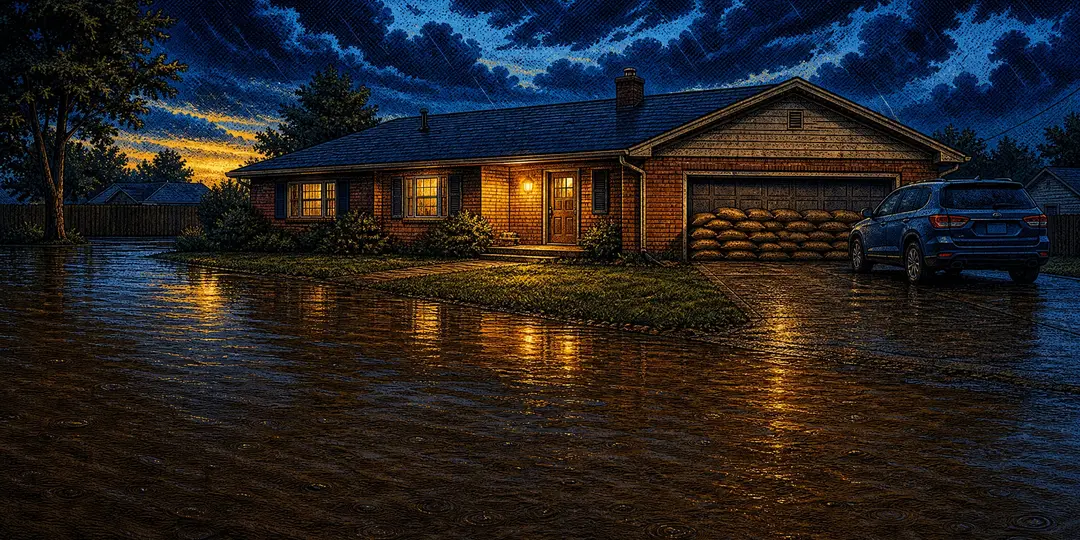
What to do in a flood: move valuables up, never drive into water, and photograph everything before you clean. The order that keeps people safe and the claim intact.
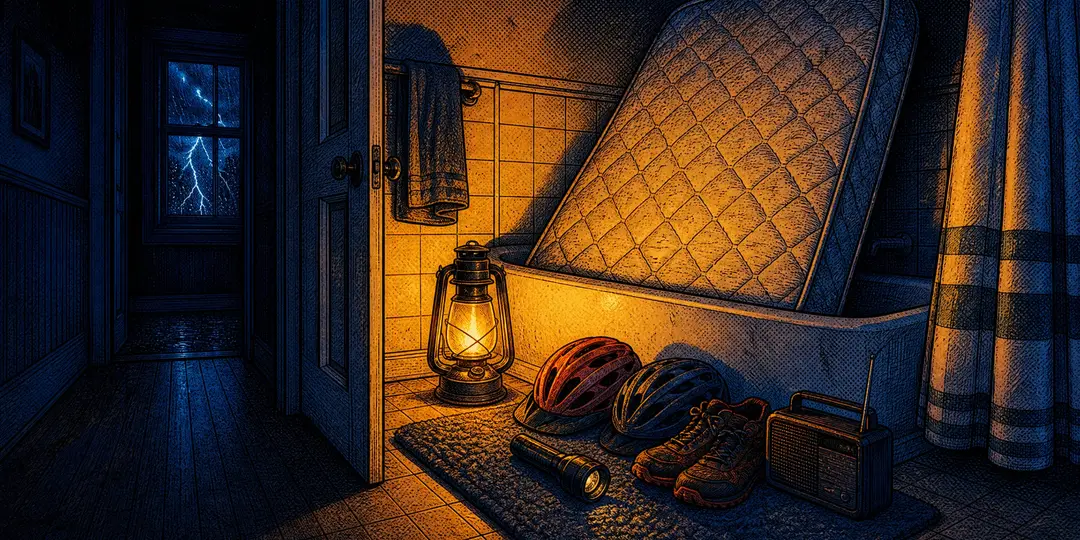
Where to shelter in a tornado: the lowest floor, the smallest interior room, no windows, heads covered. Pick the spot, stock it and practice it before spring.
How to stay cool without power: block the sun, cool the body with water, and know when to leave for a cooling center. Fans alone won't prevent heat illness.
Hurricane preparedness starts with your evacuation zone: look it up, decide where you'd go, and leave early when told. Then the house, the car and the week after.
Wildfire smoke protection at home: one clean-air room, a box fan with a MERV 13 filter, N95s for going out, and a car packed to leave before you're told to.
Earthquake preparedness for a normal house: Drop, Cover, then Hold On, strap the water heater and tall furniture, and know what to check once the shaking stops.
How to shelter in place for a chemical spill: get inside, shut off the air, seal one room with plastic and tape, and wait for the all clear. The kit costs about $30.
Going home after a disaster: wait for the all clear, check for gas and power, photograph every room before cleanup, then file the insurance and FEMA claims.