How we test gear: retail-bought, used, broken
How we test gear for every review: we pay retail, use it for a stated period in the conditions it’s sold for, and break it where that’s safe. The rules in full.
Read how we buy and test, so you know what a recommendation here is worth.
One sturdy fixed blade with a steel you can sharpen does more than a drawer of novelty knives.
Buy a light for runtime, battery and switch, not for the lumen number on the box.
How we test gear for every review: we pay retail, use it for a stated period in the conditions it’s sold for, and break it where that’s safe. The rules in full.
Buy-it-for-life gear for a normal household: nine categories, the spec that makes each one last, a price band, and what isn’t worth paying extra for.
How to choose a survival knife: the blade length, steel, grind and sheath that cover camp chores and outage jobs for a household, and why $40–80 is enough.
What a fixed blade knife under $60 gets you: the steels, grinds and sheaths at this price, what to skip, and ten minutes of checks before you keep one.
How to choose a flashlight: runtime, battery type, a real low mode, a cold-hands switch and the right beam all matter more than lumens. Three budgets included.
How to choose an AA flashlight for emergencies: the low-mode runtime, battery, switch and cold behavior to check, with price bands from $5 to $60.
Sleeping bag temperature ratings explained: comfort, limit and extreme, why the pad matters as much as the bag, and how a family sleeps warm in a cold house.
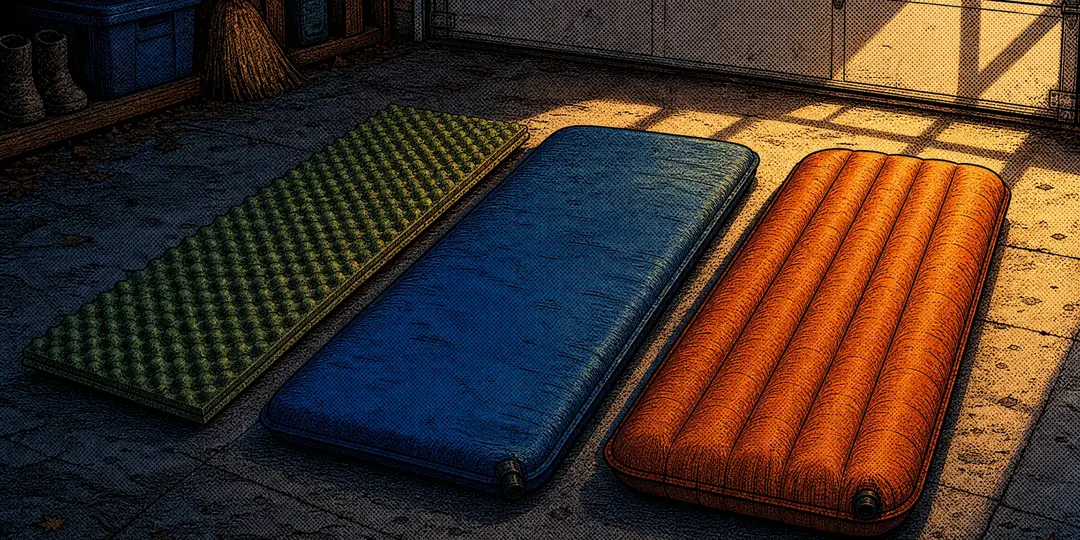
Sleeping pad R-value explained for a cold floor: foam, self-inflating and air pads compared, what R 5 means, and price bands from $20 to $250.
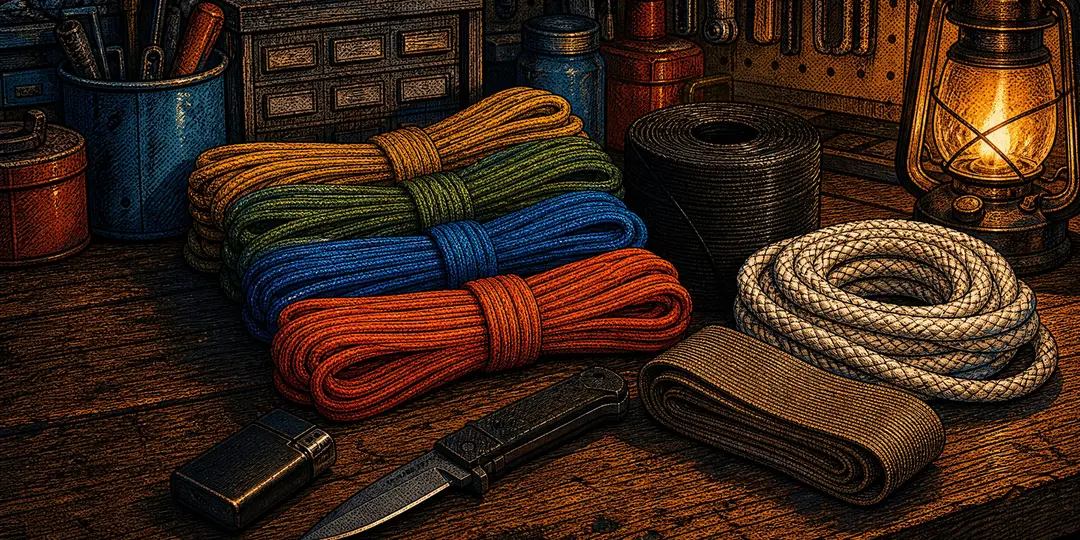
Paracord vs bank line vs real rope: what each cord is for, how much a household needs (about $55–105 in all), and how to store it untangled.
Eight practical paracord uses, each with the length you need, the knot it takes and the steps, from a clothesline to a tarp ridgeline. No bracelets.
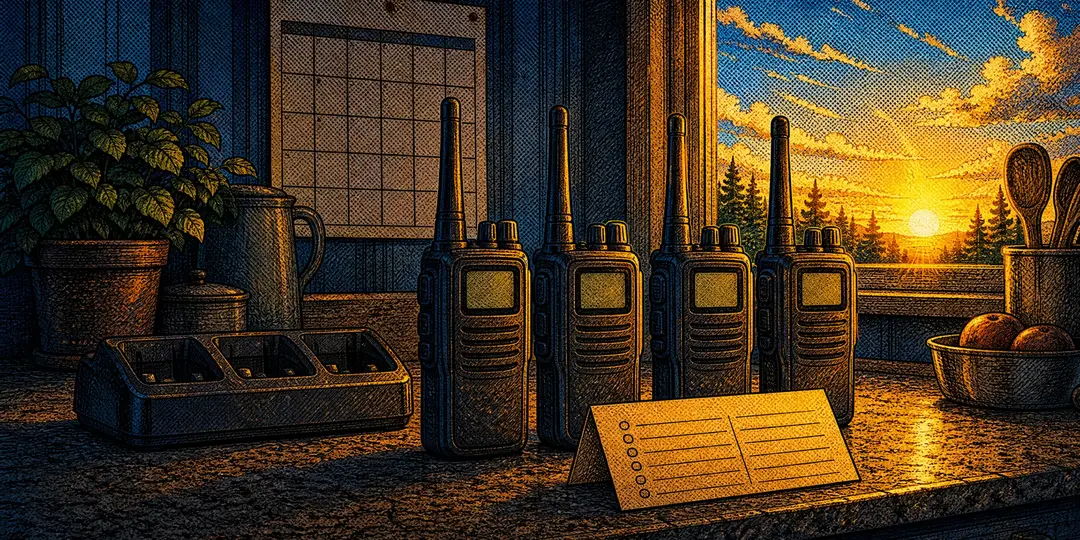
GMRS vs ham radio vs Meshtastic for a family: what each costs, how far it really reaches in a suburb, and why most households should start with GMRS.
The ham radio Technician exam is 35 questions from a public pool. Four weeks of evenings, a $15 exam and a $35 FCC fee gets most people licensed.
Download offline maps tonight, put two paper maps in the bag, and learn to use a map and compass in three steps. Enough to get home when the phone dies.
Handheld GPS vs phone: for most households a phone, offline maps, a $20–40 power bank and a paper map do the job. Here’s when a $100–600 unit earns its place.
Four kinds of emergency cooking stove compared on boil time, fuel cost, wind and simmer: which one a household should own, and why the rest are for hobbyists.
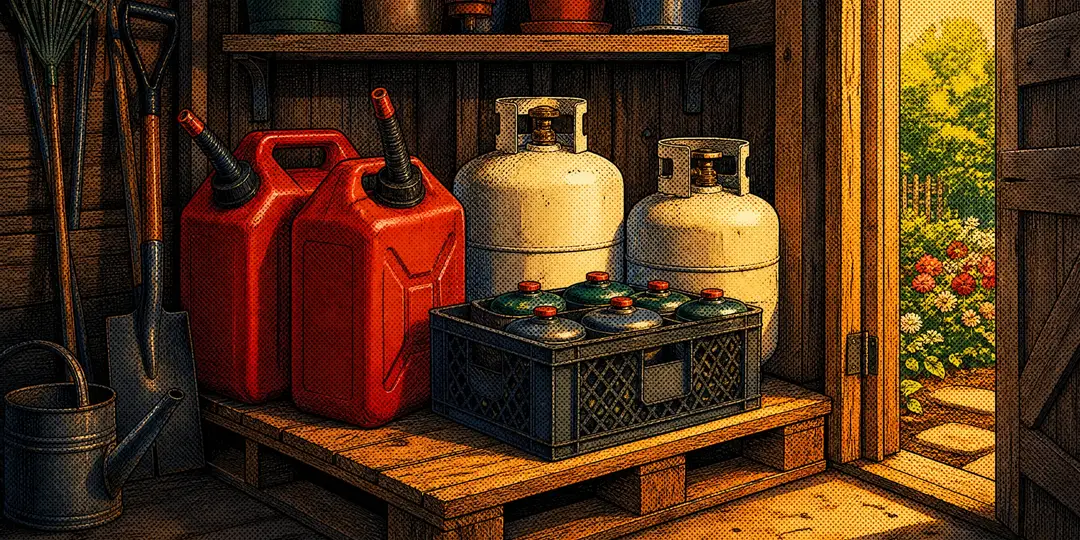
Emergency fuel storage for two weeks: how much propane, gasoline and stove fuel a household needs, how long each keeps, and where the fire code lets it live.
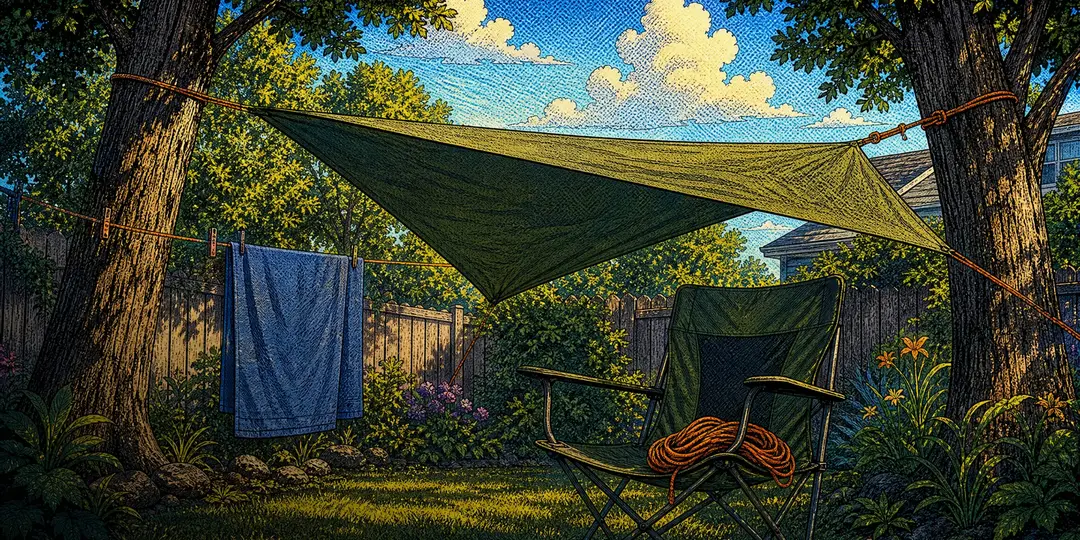
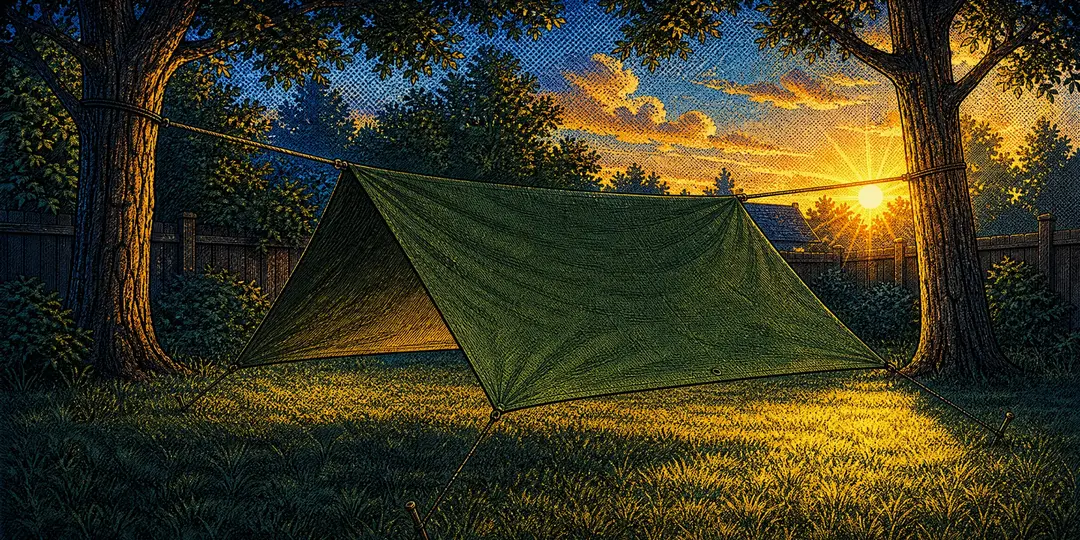
How to pitch a tarp five ways with an 8×10 tarp, 50 feet of cord and six stakes: which weather each pitch suits, and the household jobs a tarp does.
How to choose a tarp for emergency shelter under $80: poly vs camping tarps, bivies and foil blankets compared, what fails first, and five home checks.