How to start prepping: the first 30 days
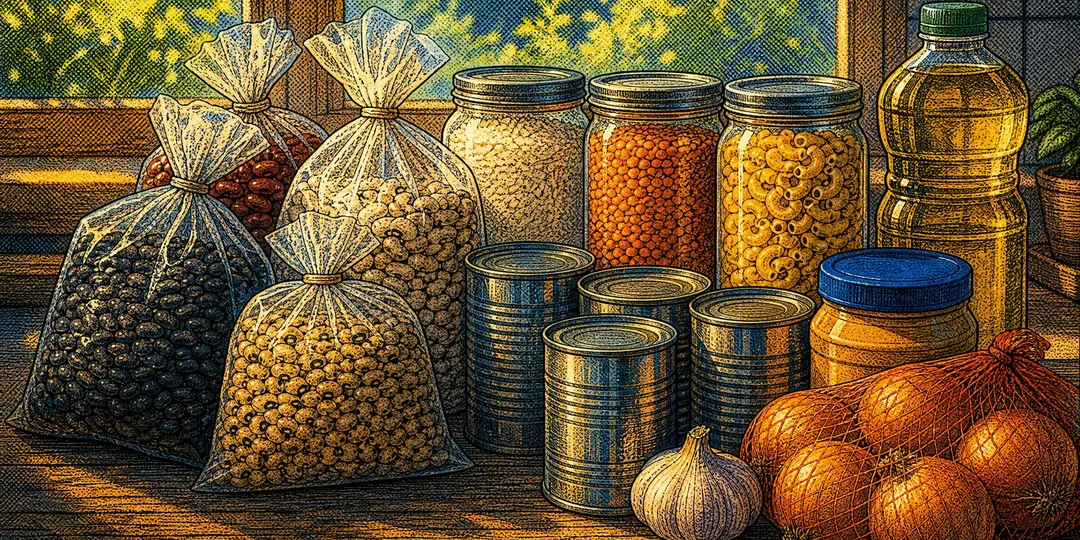
How to start prepping in four weeks, one job a week: water, food, light and heat, then the plan. By day 30 a household can sit out a week-long outage.
Four weeks, one job a week, and a household that can sit out a week-long outage by day 30.
Twenty minutes with a map and a hazard list decides what every later purchase is for.
Put the maintenance on a calendar so preparedness stays a habit, not a binge.
How to start prepping in four weeks, one job a week: water, food, light and heat, then the plan. By day 30 a household can sit out a week-long outage.
Prepping on $25 a week: twelve weeks, $300 total, in the order that closes the biggest gap first, and a household that can sit out a week by week 8.
Disaster risk where you live fits on a short list: three hazards every US home shares, two or three regional ones, and a twenty-minute way to rank them.
How to prepare for grid-down: real outages last hours to days, occasionally weeks, and five preparations cover them all. What EMP is, and what to ignore.
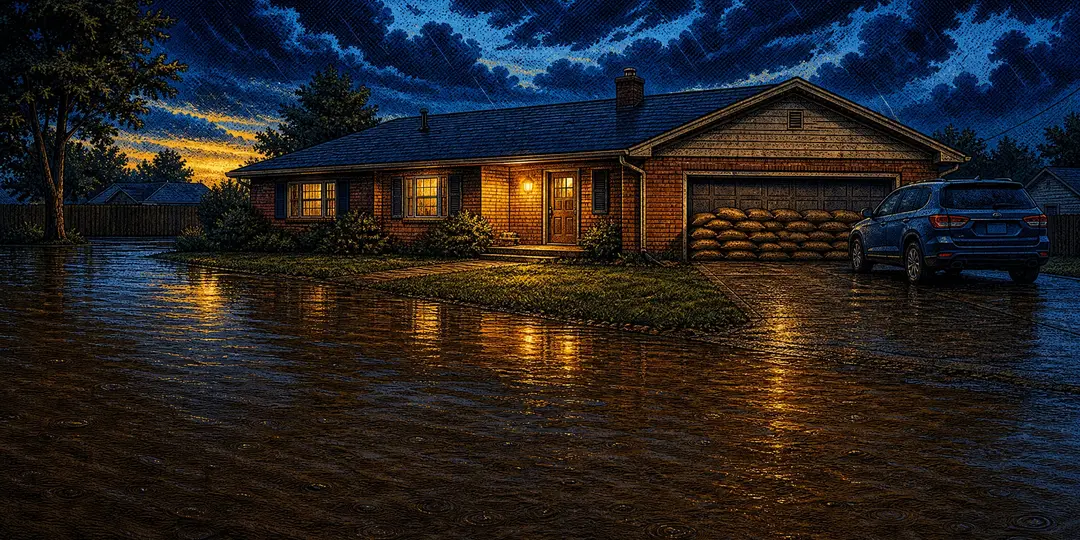
What to do in a flood: move valuables up, never drive into water, and photograph everything before you clean. The order that keeps people safe and the claim intact.
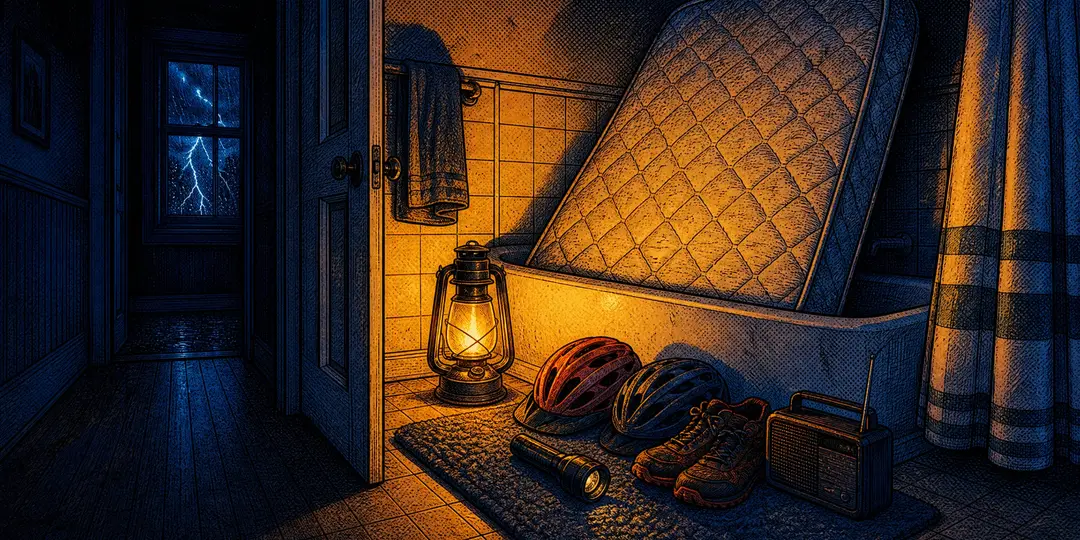
Where to shelter in a tornado: the lowest floor, the smallest interior room, no windows, heads covered. Pick the spot, stock it and practice it before spring.
How to stay cool without power: block the sun, cool the body with water, and know when to leave for a cooling center. Fans alone won't prevent heat illness.
Hurricane preparedness starts with your evacuation zone: look it up, decide where you'd go, and leave early when told. Then the house, the car and the week after.
Wildfire smoke protection at home: one clean-air room, a box fan with a MERV 13 filter, N95s for going out, and a car packed to leave before you're told to.
Earthquake preparedness for a normal house: Drop, Cover, then Hold On, strap the water heater and tall furniture, and know what to check once the shaking stops.
How to shelter in place for a chemical spill: get inside, shut off the air, seal one room with plastic and tape, and wait for the all clear. The kit costs about $30.
Going home after a disaster: wait for the all clear, check for gas and power, photograph every room before cleanup, then file the insurance and FEMA claims.
Prepping works as a habit, not an identity: a maintenance schedule of five calendar reminders, one test before every purchase, and nothing to prove.
Talking to family about prepping starts with the last outage, not the next disaster: three talks, for a partner, kids and older parents, that land as care.
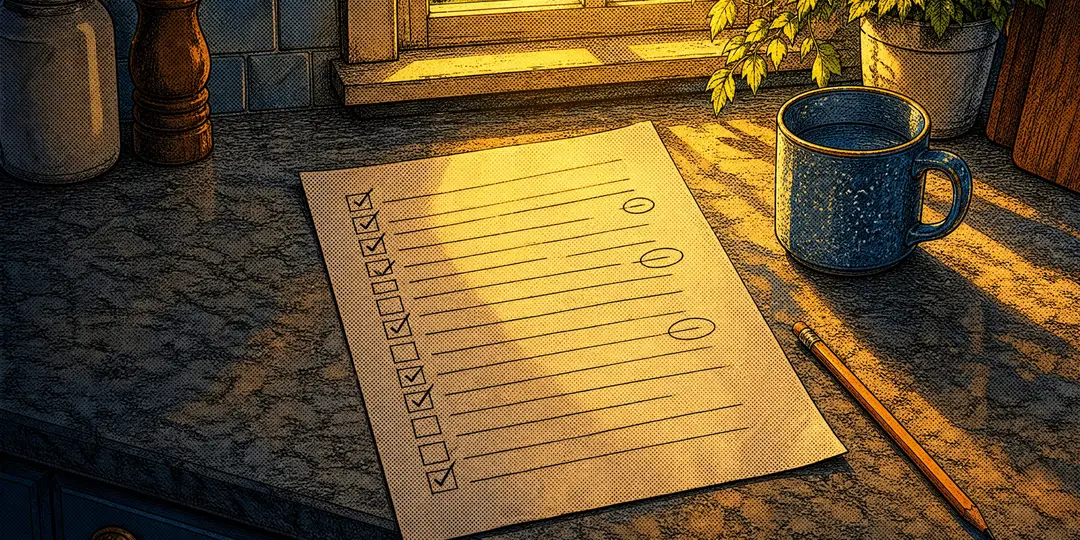
A one-page emergency preparedness checklist: 40 lines for water, food, light, medical, documents and the plan. Check, circle, date, and redo it in six months.
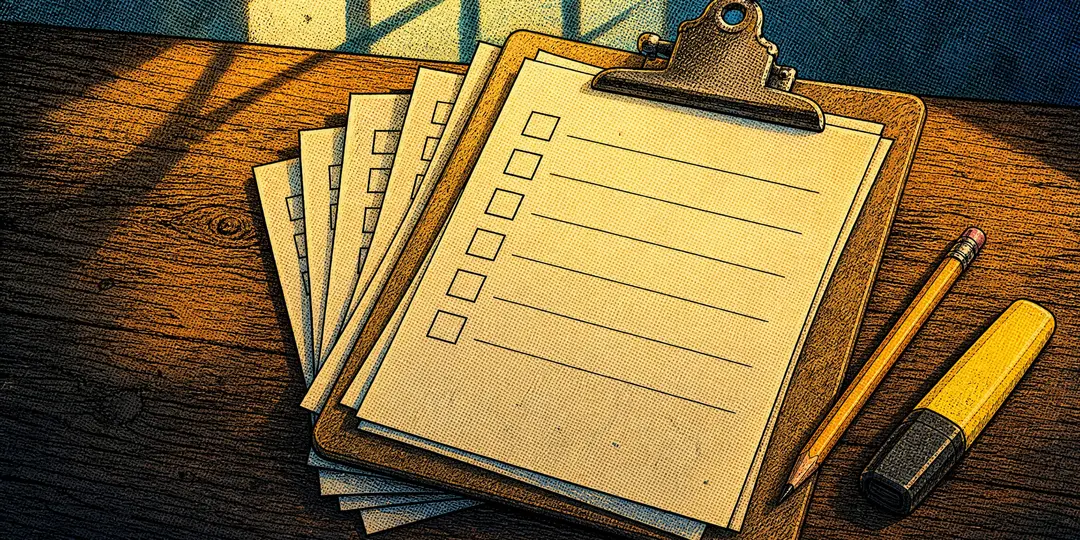
A prepping checklist order for beginners: all twelve printables in sequence, what each is for, how long it takes, and which ones your household can skip.