Flooding: what to do before, during and after the water
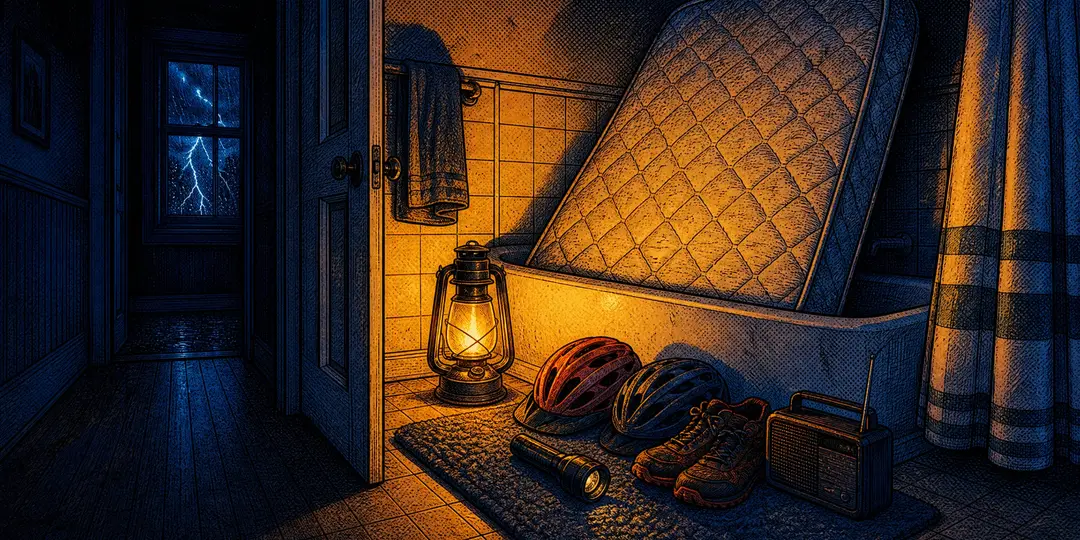
What to do in a flood: move valuables up, never drive into water, and photograph everything before you clean. The order that keeps people safe and the claim intact.
28 Prepping Expert guides tagged Family, including “Flooding: what to do before, during and after the water” and “Tornado warning: where to shelter in a…
What to do in a flood: move valuables up, never drive into water, and photograph everything before you clean. The order that keeps people safe and the claim intact.
Where to shelter in a tornado: the lowest floor, the smallest interior room, no windows, heads covered. Pick the spot, stock it and practice it before spring.
How to stay cool without power: block the sun, cool the body with water, and know when to leave for a cooling center. Fans alone won't prevent heat illness.
Hurricane preparedness starts with your evacuation zone: look it up, decide where you'd go, and leave early when told. Then the house, the car and the week after.
Wildfire smoke protection at home: one clean-air room, a box fan with a MERV 13 filter, N95s for going out, and a car packed to leave before you're told to.
Earthquake preparedness for a normal house: Drop, Cover, then Hold On, strap the water heater and tall furniture, and know what to check once the shaking stops.
How to shelter in place for a chemical spill: get inside, shut off the air, seal one room with plastic and tape, and wait for the all clear. The kit costs about $30.
Going home after a disaster: wait for the all clear, check for gas and power, photograph every room before cleanup, then file the insurance and FEMA claims.
Talking to family about prepping starts with the last outage, not the next disaster: three talks, for a partner, kids and older parents, that land as care.
Where to store an emergency kit so you can reach it in the dark: three tests, the best and worst place in three kinds of home, and a two-layer split.
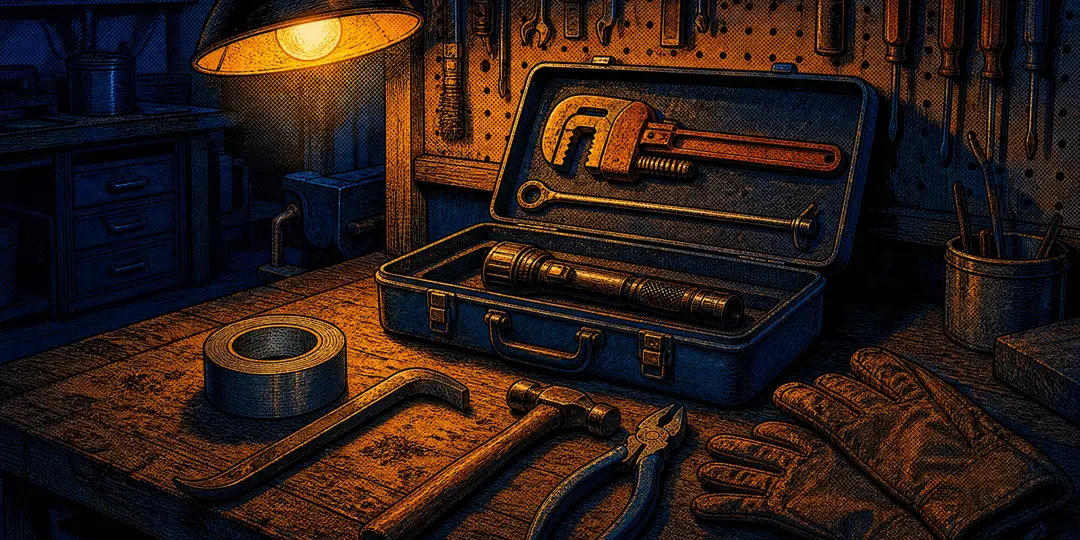
A home emergency tool kit is mostly about shutoffs: find the water, gas and electric shutoffs now, hang the right wrench beside each, and add a short list of tools.
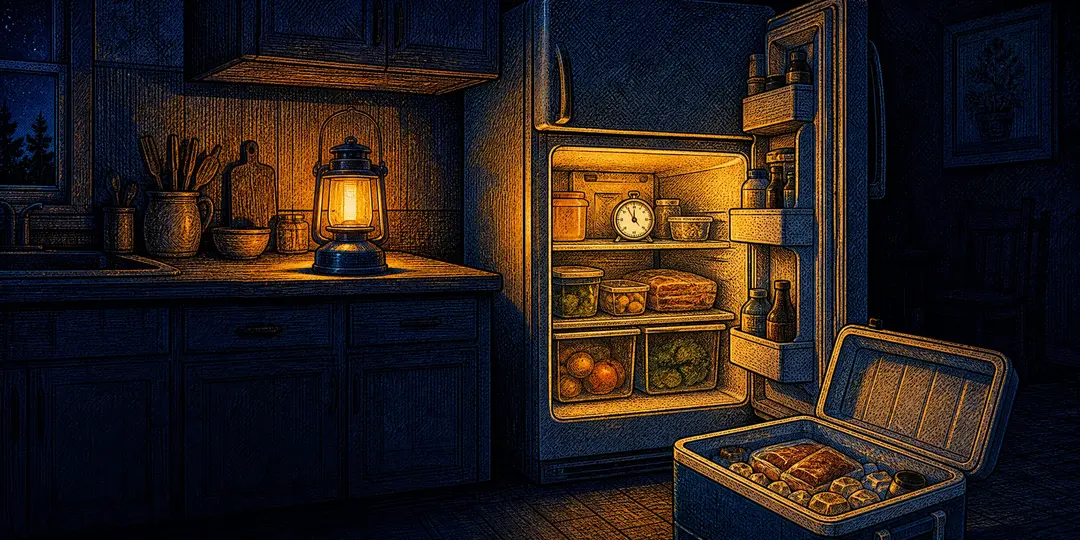
How long food lasts in the fridge without power: 4 hours, door closed. A full freezer holds 48 hours. The numbers, the thermometer trick and what to throw out.
How often to test well water: once a year for coliform bacteria, nitrates, pH and dissolved solids, and again after any flood. Plus how to check stored water.
GMRS vs ham radio vs Meshtastic for a family: what each costs, how far it really reaches in a suburb, and why most households should start with GMRS.
A survival skills practice plan for beginners: six skills in two days in a backyard, from water and stove cooking to a tarp pitch. Hour by hour, under $100.
How to choose a self-defense class that isn’t sold on fear: the red flags, prices, what a weekend can realistically do, and seven questions to ask before you pay.
How to deter burglars without a weapon: motion lights at the doors, a dog that barks and a street that notices, with rough costs and the order to do it.
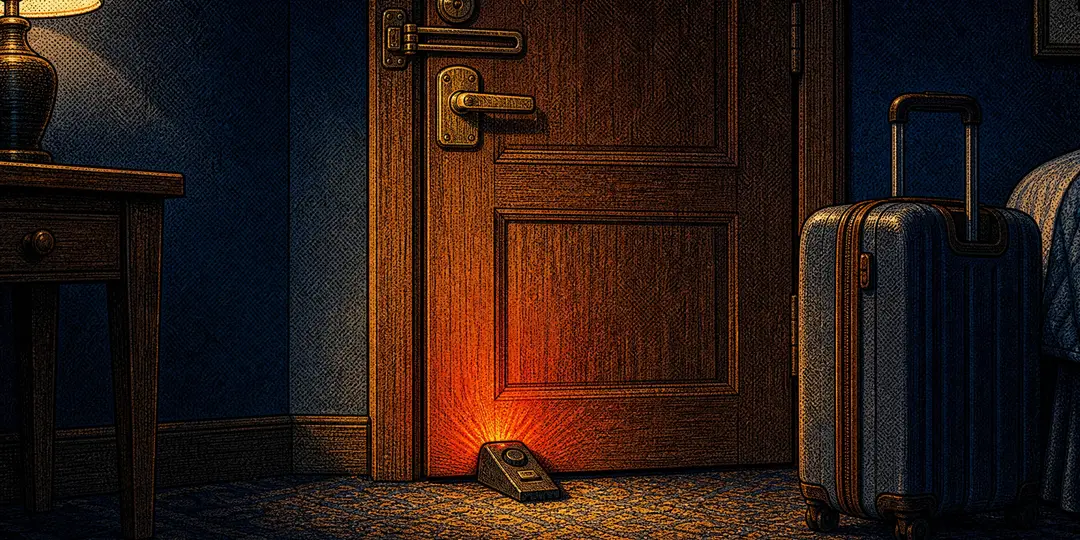
Travel safety tips that cover most real trouble: which hotel room to ask for, a $10–20 door wedge alarm, a five-minute rental check and a rideshare plate match.
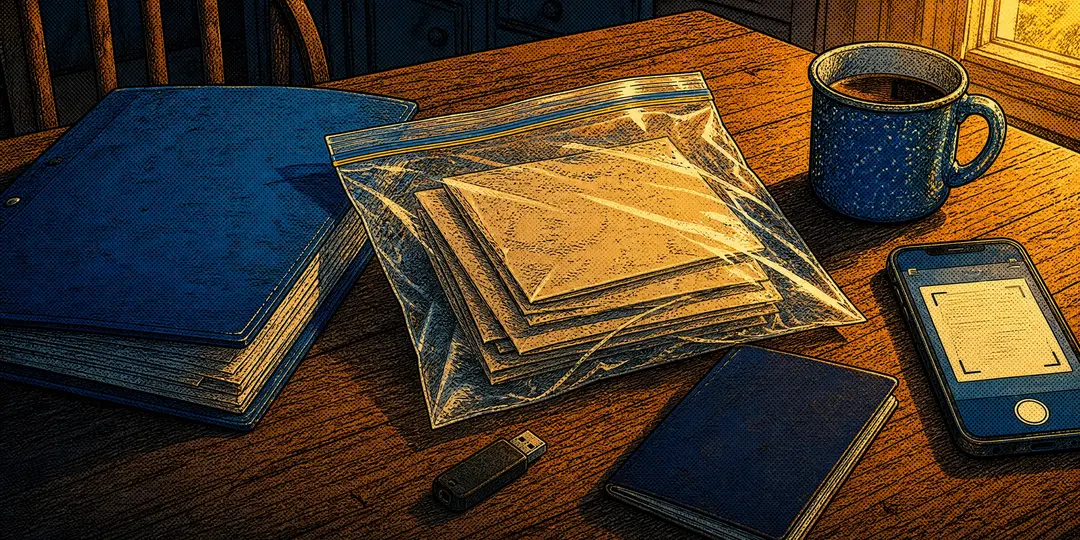
Important documents for evacuation: which to copy now, how to store the scans safely in two places, and the paper set that lives in a zip bag in the go-bag.
Day by day through a week-long power outage at home: what runs out when, what the five basics do at each stage, and the two mistakes that make it dangerous.
Evacuation route planning on one tank: the range math for half a tank in heavy traffic, two printed routes, and a supply bin waiting at the other end.
Overlanding for beginners in the SUV you already own: tires, a $200–400 recovery kit, what not to attempt, and a first trip the family will enjoy.
Backyard livestock for beginners: hens, rabbits, goats and bees compared on space, cost, daily time, yield, rules and neighbors. Start with hens.
One dinner, five questions, two pieces of paper. The family emergency plan is a conversation about meeting points, one distant contact, school pickup and pets.
When your partner isn’t interested in prepping, the argument is rarely about emergencies. It’s money, space or identity, and each has its own fix.
Helping kids cope after a disaster: keep routines, limit the news, answer questions plainly, and expect a few weeks of clinginess. When to call for help, and who.
Emergency food for special diets: ready-to-feed formula for babies, safe foods for allergies and celiac, and a diabetes plan for a week without power or stores.
CERT training is free disaster-response training from local fire departments: first aid, fire safety, search and rescue. What it covers and how to find a course.