Prepping on $25 a week: a twelve-week buying order
Prepping on $25 a week: twelve weeks, $300 total, in the order that closes the biggest gap first, and a household that can sit out a week by week 8.
22 Prepping Expert guides tagged Budget, including “Prepping on $25 a week: a twelve-week buying order” and “Going home after a disaster: safety, photos…
Prepping on $25 a week: twelve weeks, $300 total, in the order that closes the biggest gap first, and a household that can sit out a week by week 8.
Going home after a disaster: wait for the all clear, check for gas and power, photograph every room before cleanup, then file the insurance and FEMA claims.
A home emergency tool kit is mostly about shutoffs: find the water, gas and electric shutoffs now, hang the right wrench beside each, and add a short list of tools.
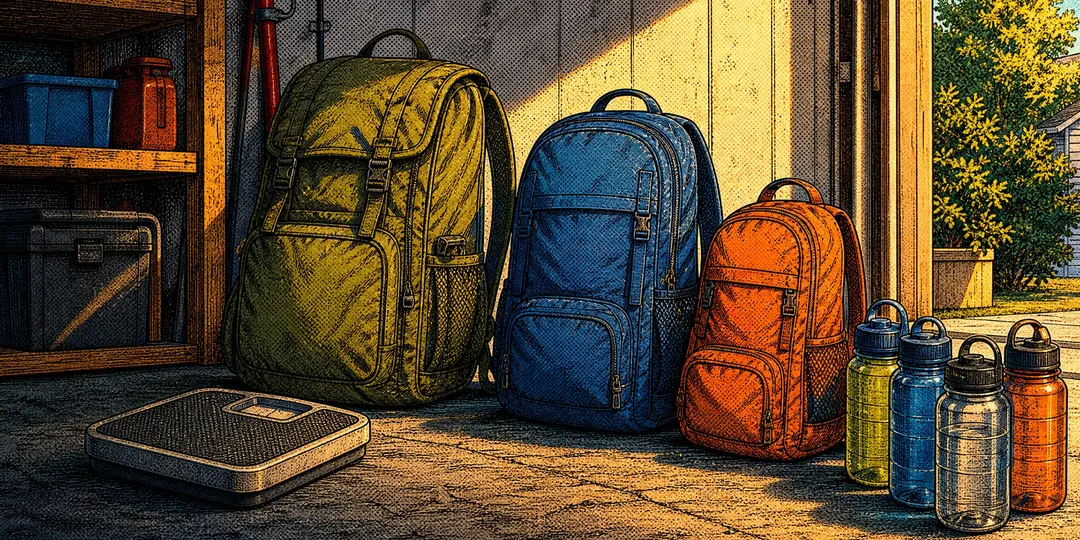
What a bug out bag under $150 should do: carry 15 lb on the hips, stay dry, look ordinary. The specs to shop by, what to skip and a five-minute store check.
A two-week emergency food supply for a family of four for about $150: ordinary supermarket food, no fridge needed, priced item by item, plus the rotation habit.
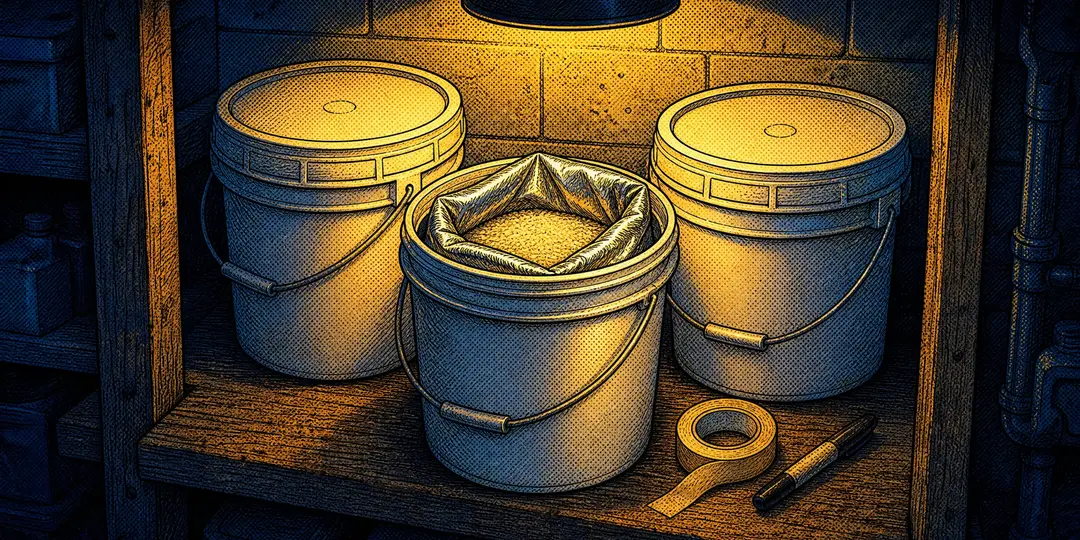
Long-term food storage, honestly: which dry foods really keep 25 years, which go rancid in months, and why DIY buckets cost far less per calorie.
Three rules pick what goes on our deals list, and the same three show how to spot a fake discount: an inflated “was” price, a countdown or a bargain that isn’t.
The best time to buy prepping supplies, month by month: when generators, batteries, camping gear, canning jars and pantry staples tend to go on sale.
Buy-it-for-life gear for a normal household: nine categories, the spec that makes each one last, a price band, and what isn’t worth paying extra for.
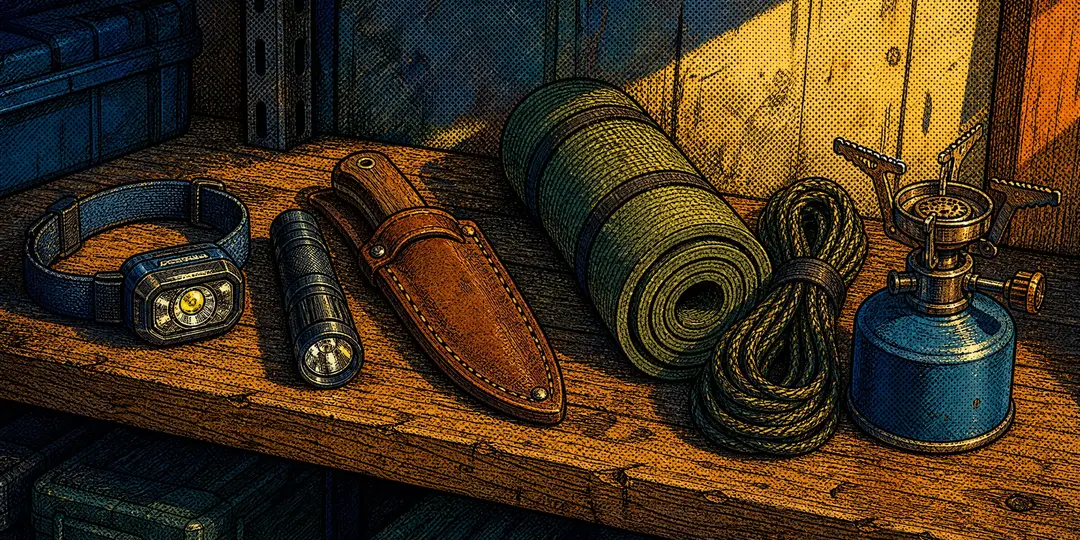
What a fixed blade knife under $60 gets you: the steels, grinds and sheaths at this price, what to skip, and ten minutes of checks before you keep one.
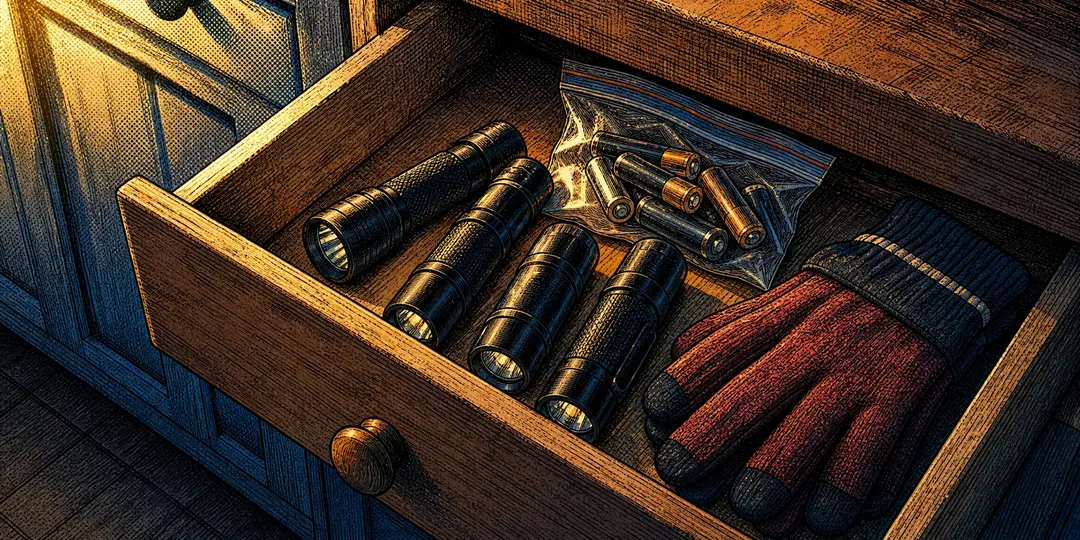
How to choose an AA flashlight for emergencies: the low-mode runtime, battery, switch and cold behavior to check, with price bands from $5 to $60.
Sleeping pad R-value explained for a cold floor: foam, self-inflating and air pads compared, what R 5 means, and price bands from $20 to $250.
Handheld GPS vs phone: for most households a phone, offline maps, a $20–40 power bank and a paper map do the job. Here’s when a $100–600 unit earns its place.
How to choose a tarp for emergency shelter under $80: poly vs camping tarps, bivies and foil blankets compared, what fails first, and five home checks.
A DIY bucket water filter from two food-grade buckets and one element: $30–40 in parts, an hour to build. Steps, flow, upkeep, and what it won’t remove.
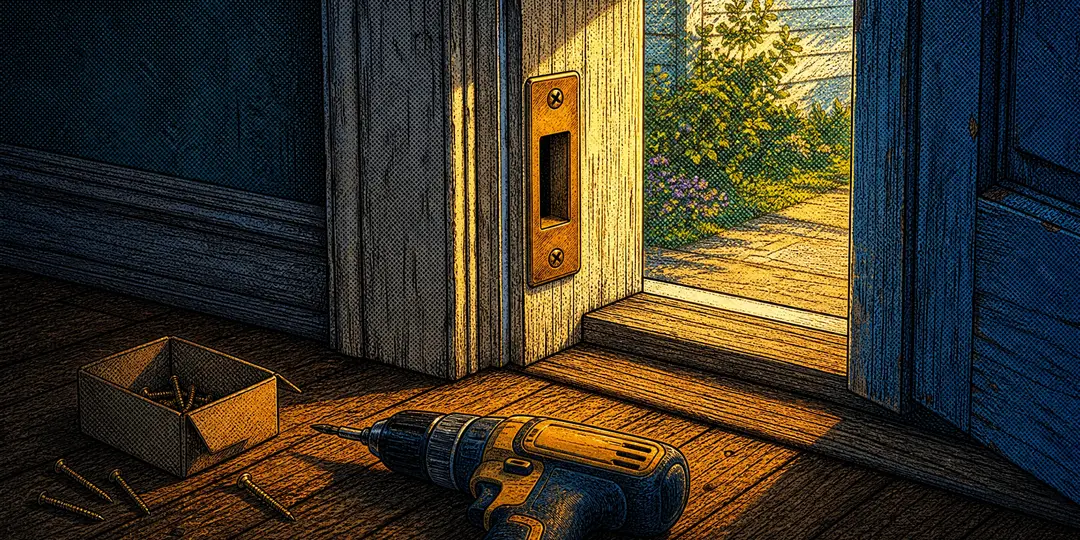
A budget home security checklist: about $200 of screws, bars and lights for how most break-ins actually happen, with prices, install notes and a renter version.
How to deter burglars without a weapon: motion lights at the doors, a dog that barks and a street that notices, with rough costs and the order to do it.
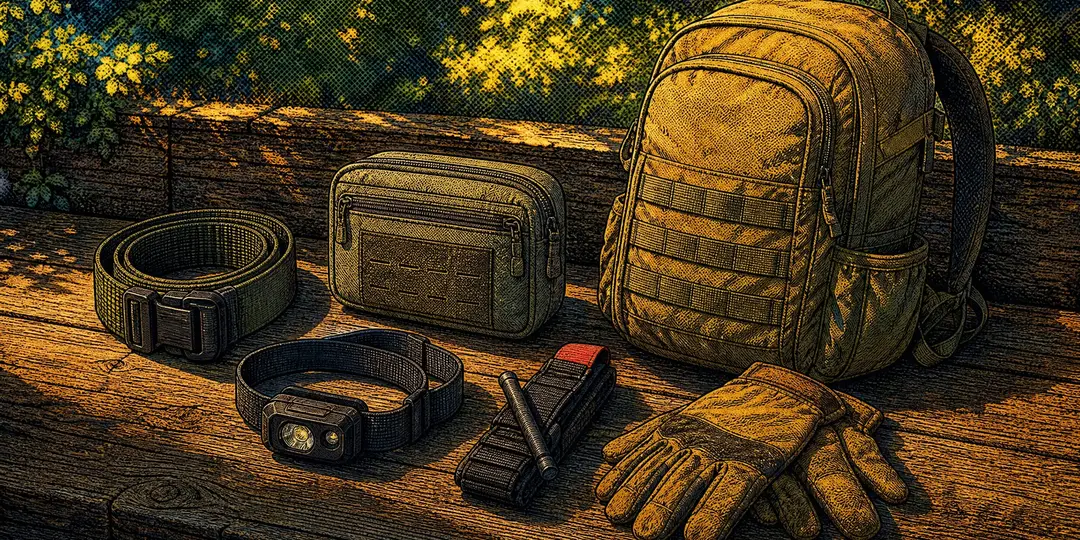
The six pieces of tactical gear worth it for civilians in a normal household, what to look for and pay for each, and the much longer list that is costume.
Homesteading for beginners: start a bed, a barrel and a compost bin; skip goats, an orchard and bees. A month-by-month first year on a normal lot, with costs.
How to save seeds: beans, peas and tomatoes are easy, squash needs care. Drying, storage, how long seed keeps, and why a seed vault isn’t the shortcut.
Most emergencies are solved with money, not supplies. How to build an emergency fund in three steps, where to keep it, and how much cash to keep at home.
Prepping on a budget: the first $100, $250 and $500, item by item with prices, plus the kits, subscriptions and cheap generators to walk past.