Tornado warning: where to shelter in a normal house
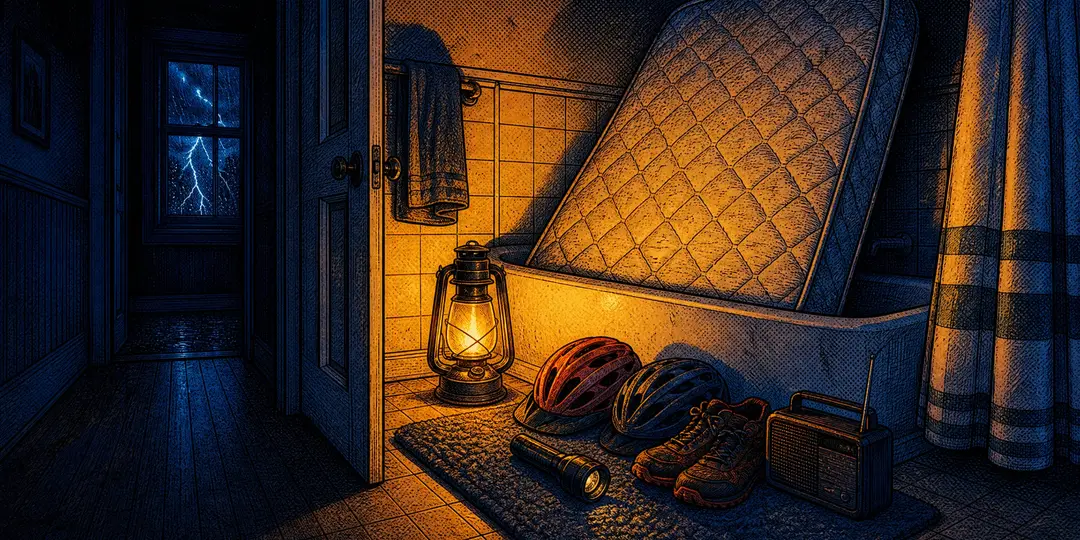
Where to shelter in a tornado: the lowest floor, the smallest interior room, no windows, heads covered. Pick the spot, stock it and practice it before spring.
12 Prepping Expert guides tagged Kids, including “Tornado warning: where to shelter in a normal house” and “Earthquake basics for a normal house, even in…
Where to shelter in a tornado: the lowest floor, the smallest interior room, no windows, heads covered. Pick the spot, stock it and practice it before spring.
Earthquake preparedness for a normal house: Drop, Cover, then Hold On, strap the water heater and tall furniture, and know what to check once the shaking stops.
How to shelter in place for a chemical spill: get inside, shut off the air, seal one room with plastic and tape, and wait for the all clear. The kit costs about $30.
How often to test well water: once a year for coliform bacteria, nitrates, pH and dissolved solids, and again after any flood. Plus how to check stored water.
A survival skills practice plan for beginners: six skills in two days in a backyard, from water and stove cooking to a tarp pitch. Hour by hour, under $100.
Safe gun storage with kids in the house: locks and safes with prices, the same rule for medicines and chemicals, and the question to ask before a playdate.
One dinner, five questions, two pieces of paper. The family emergency plan is a conversation about meeting points, one distant contact, school pickup and pets.
When your partner isn’t interested in prepping, the argument is rarely about emergencies. It’s money, space or identity, and each has its own fix.
Helping kids cope after a disaster: keep routines, limit the news, answer questions plainly, and expect a few weeks of clinginess. When to call for help, and who.
Emergency preparedness for medical needs: daily medication, severe allergies and limited mobility, condition by condition, with the people to ask.
Emergency preparedness for elderly parents living alone: what to set up on your next visit, from medication and a daily check-in to heat, a go-bag and papers.
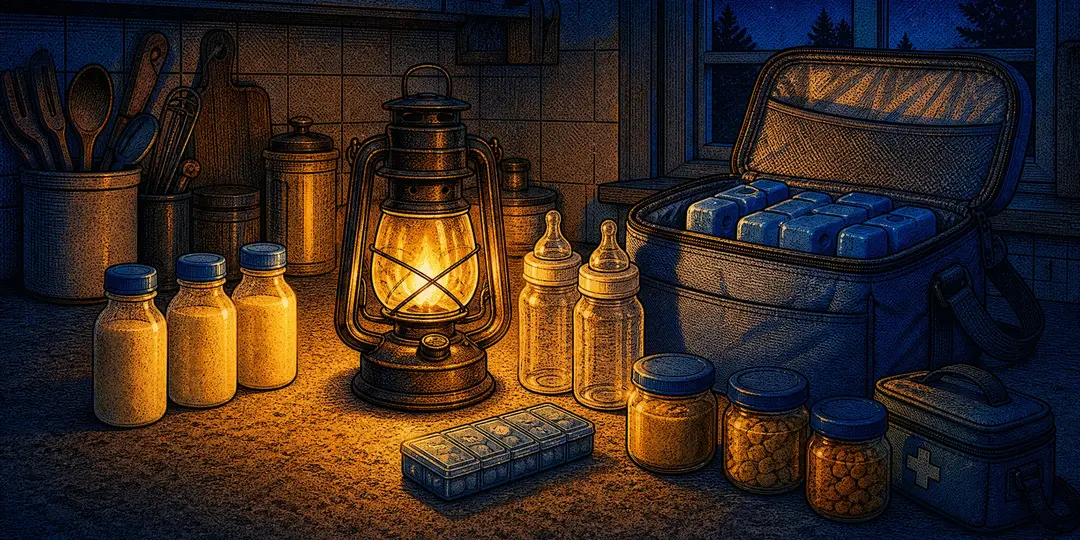
Emergency food for special diets: ready-to-feed formula for babies, safe foods for allergies and celiac, and a diabetes plan for a week without power or stores.