Self-defense for ordinary people: avoidance first
Self-defense basics for ordinary people: avoidance, awareness and de-escalation come first, cost almost nothing, and prevent most trouble a family meets.
Awareness, distance and leaving early prevent more harm than anything you can carry.
Better strikes, longer screws and a lit porch do more for a house than any gadget.
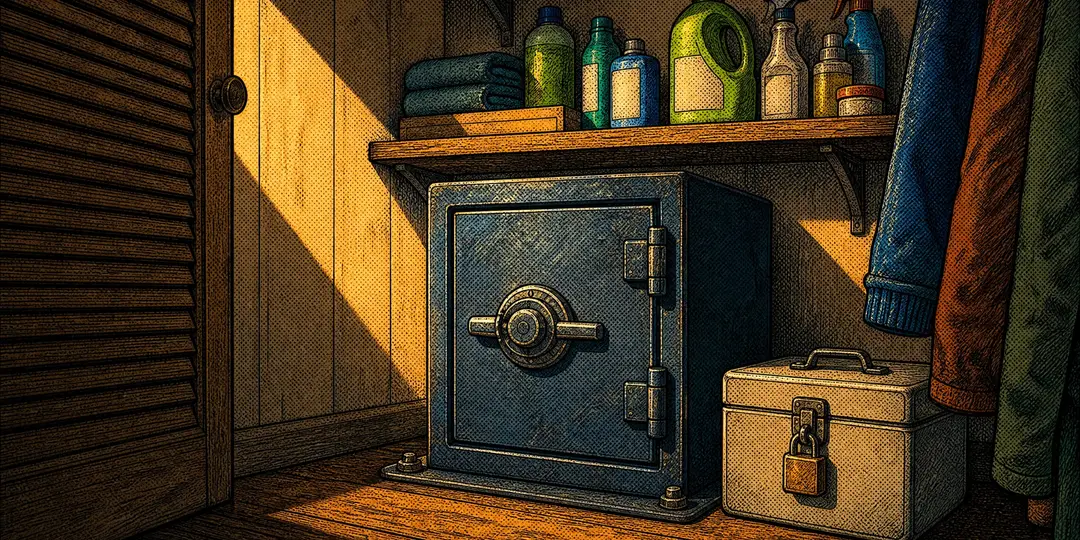
Training, safe storage and local law come before the purchase, not after it.
Self-defense basics for ordinary people: avoidance, awareness and de-escalation come first, cost almost nothing, and prevent most trouble a family meets.
How to choose a self-defense class that isn’t sold on fear: the red flags, prices, what a weekend can realistically do, and seven questions to ask before you pay.
A budget home security checklist: about $200 of screws, bars and lights for how most break-ins actually happen, with prices, install notes and a renter version.
How to deter burglars without a weapon: motion lights at the doors, a dog that barks and a street that notices, with rough costs and the order to do it.
Buying your first firearm in the right order: training, storage and your state’s law before the purchase, with the costs and the risks at home stated plainly.
Safe gun storage with kids in the house: locks and safes with prices, the same rule for medicines and chemicals, and the question to ask before a playdate.
Pepper spray vs taser vs body armor: what each actually does, where the law draws lines, and why a $15–30 canister is the one most households need.
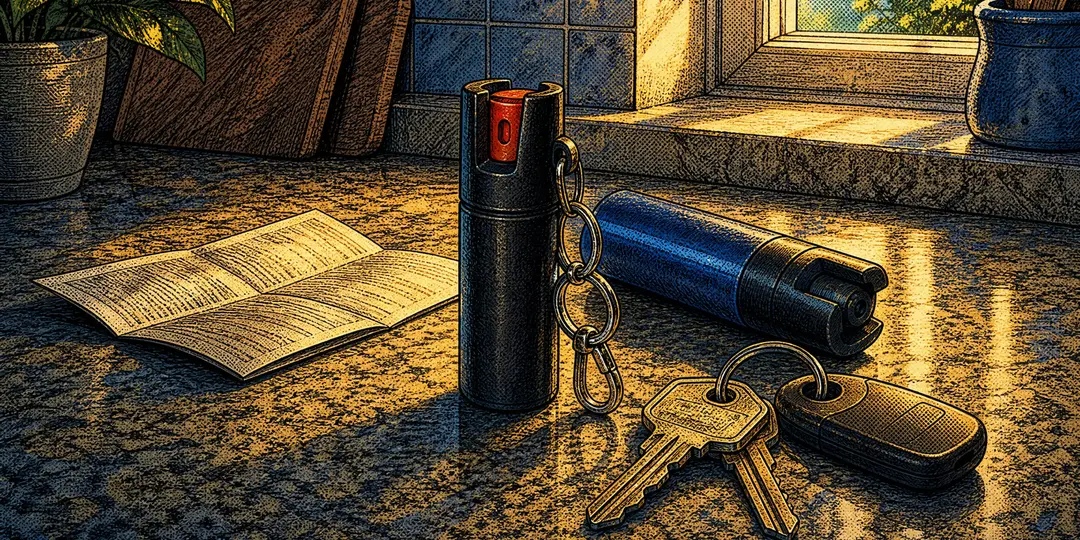
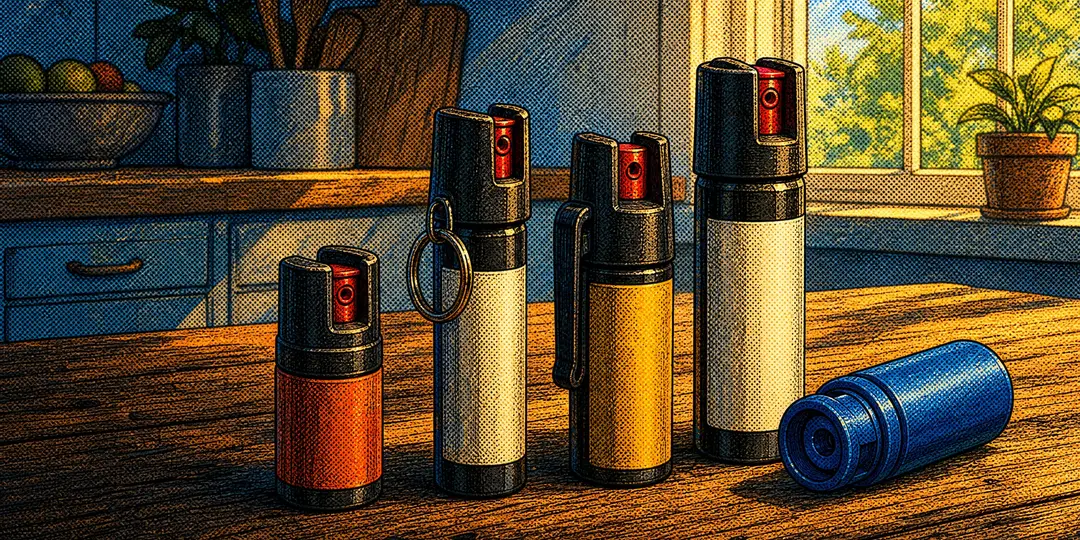
How to choose pepper spray by the three things that decide whether it works: reach, spray pattern and wind. Plus size, strength, price and the law.
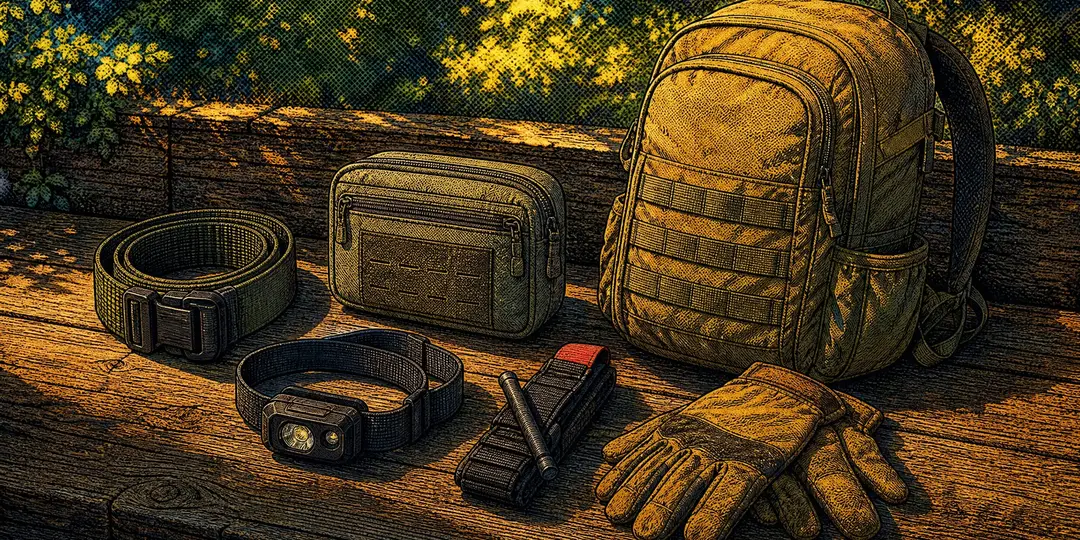
What is tactical gear? Mostly a costume with a markup. The useful part is durable, organized kit; here is the one-question test and what this section skips.
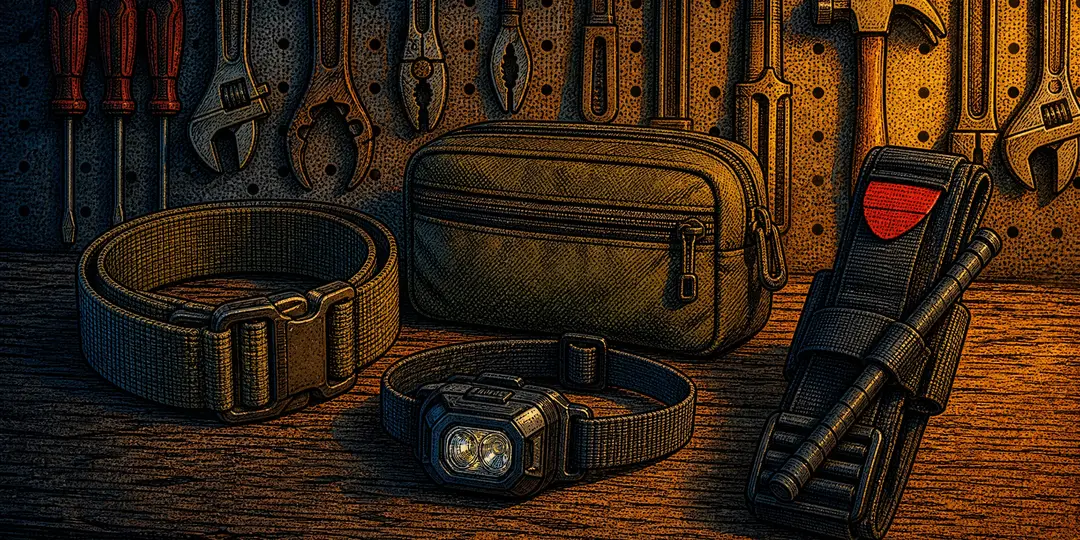
The six pieces of tactical gear worth it for civilians in a normal household, what to look for and pay for each, and the much longer list that is costume.
Self-defense laws by state: the five areas that vary, what each means, and where to read the current official text for all 50 states and DC.
Knife carry laws by state turn on five variables. The states and cities where they bite hardest, the safest everyday knife, and where to read each law.
Everyday situational awareness is four small habits: know the exits, notice the normal, notice who is noticing you, and act when something feels off.
Travel safety tips that cover most real trouble: which hotel room to ask for, a $10–20 door wedge alarm, a five-minute rental check and a rideshare plate match.
Five settings secure your online accounts in about five minutes each: password manager, two-factor on email and bank, printed recovery codes and a credit freeze.
Important documents for evacuation: which to copy now, how to store the scans safely in two places, and the paper set that lives in a zip bag in the go-bag.