Homesteading on a normal lot
Homesteading on a quarter acre: what a suburban lot really produces in vegetables, eggs, fruit and rainwater, what it costs, and what cuts grocery bills.
Start with what a normal lot and a normal schedule can carry: a garden bed, a pantry, a rain barrel.
Price the full system, batteries and backups included, before going off grid on anything.
Potatoes, squash and beans give a small yard the most calories for the least fuss.
Homesteading on a quarter acre: what a suburban lot really produces in vegetables, eggs, fruit and rainwater, what it costs, and what cuts grocery bills.
Homesteading for beginners: start a bed, a barrel and a compost bin; skip goats, an orchard and bees. A month-by-month first year on a normal lot, with costs.
Off-grid living costs for a family house: power, water, septic, heat and internet priced system by system, with lifespans, chores and resale reality.
Partial off-grid for a suburban house: a solar battery, a wood stove and a rain barrel, what each costs and what it actually does when the power goes out.
High-calorie garden crops for a small yard: potatoes, sweet potatoes, squash, dry beans and corn. What 200 sq ft really yields, and how to grow and store it.
How to save seeds: beans, peas and tomatoes are easy, squash needs care. Drying, storage, how long seed keeps, and why a seed vault isn’t the shortcut.
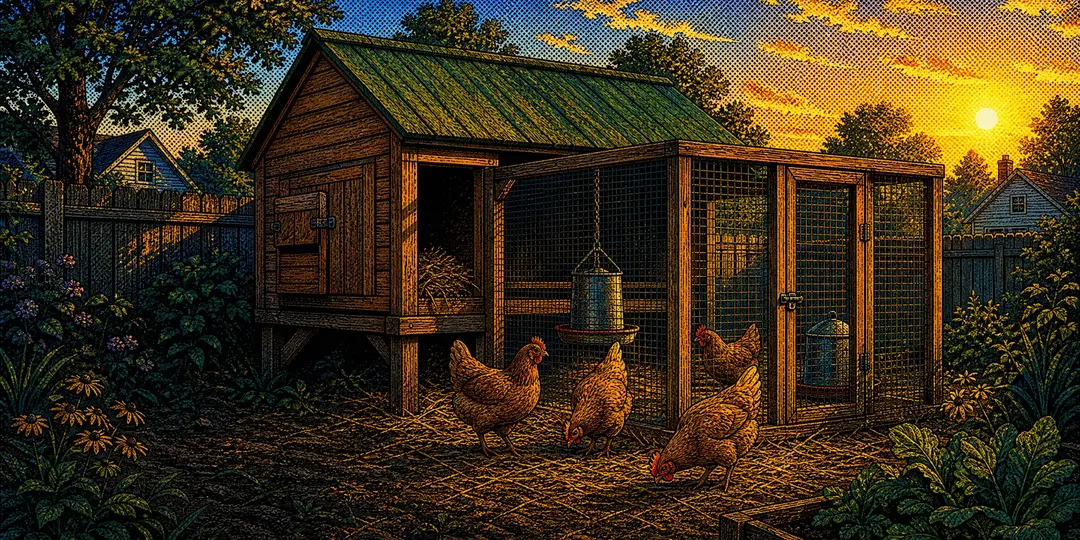
The real cost of backyard chickens: a one-year ledger for four hens, from coop and feed to eggs by season and vet bills, and whether it saves money.
Backyard livestock for beginners: hens, rabbits, goats and bees compared on space, cost, daily time, yield, rules and neighbors. Start with hens.
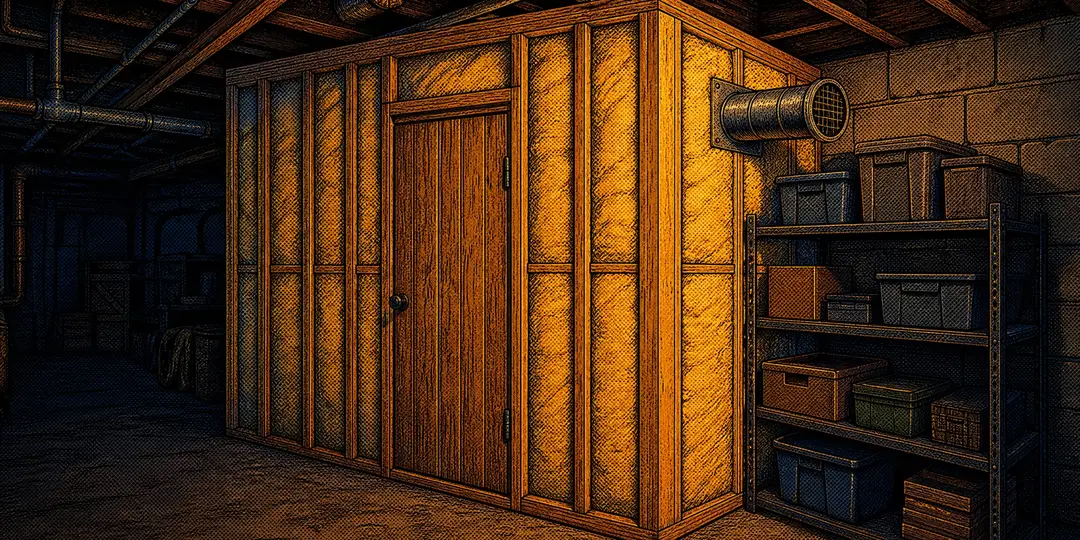
A basement root cellar in the coldest corner: two insulated walls, a door, two vents and slatted shelves for $400–1,200. Parts, steps and the first-winter log.
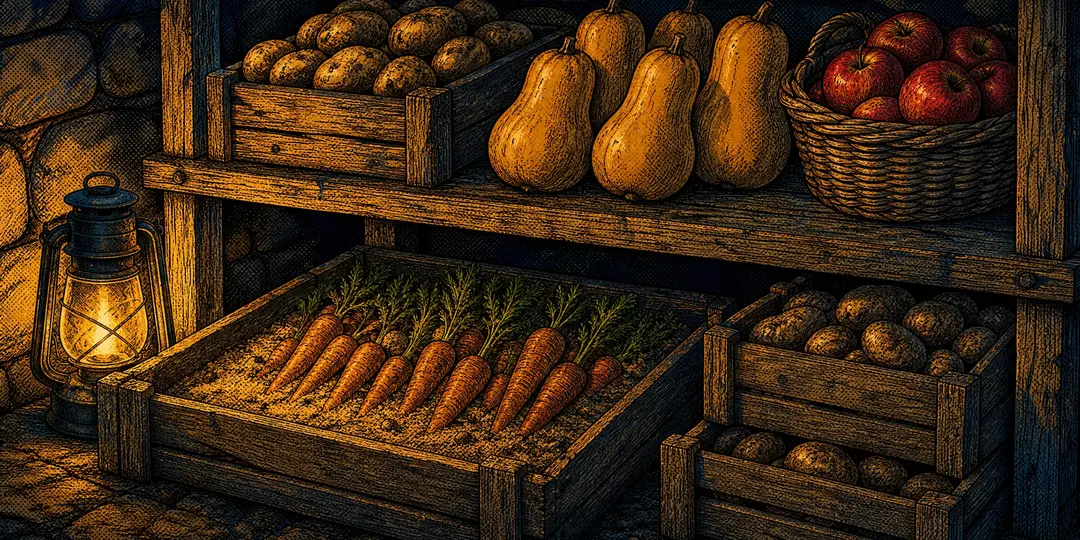
A root cellar storage chart for 13 crops: the temperature, humidity and months each keeps, how to cure them first, and which ones spoil their neighbors.
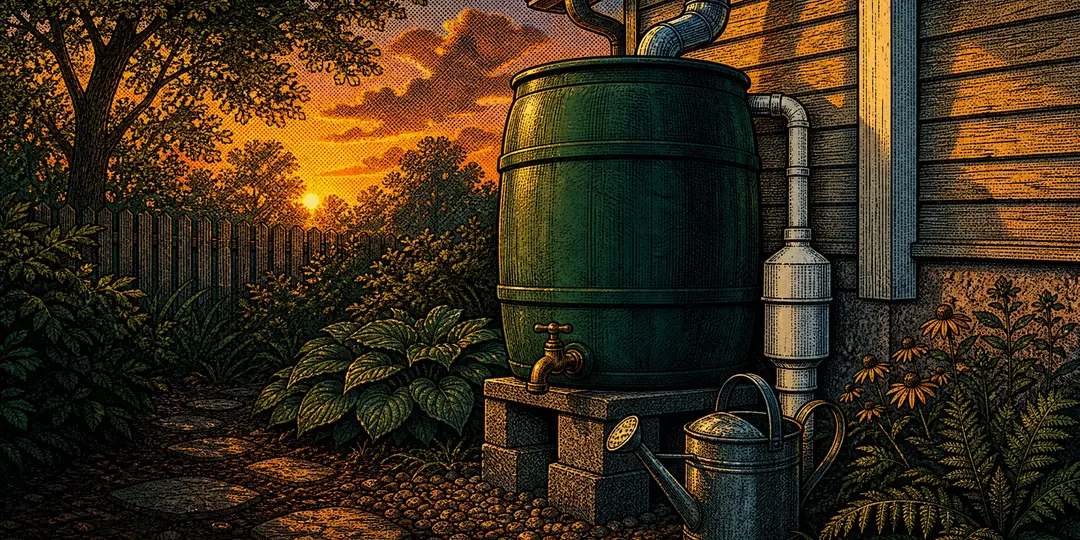
How to collect rainwater: what your roof sheds, a barrel with a first-flush diverter, keeping mosquitoes out, and the steps that make it drinkable.
Rainwater collection laws by state: barrels are legal everywhere, but a few western states cap them and most regulate drinking it. Who to check with.
Most emergencies are solved with money, not supplies. How to build an emergency fund in three steps, where to keep it, and how much cash to keep at home.
Prepping on a budget: the first $100, $250 and $500, item by item with prices, plus the kits, subscriptions and cheap generators to walk past.
Apartment prepping for two: 14 days of water and food in a one-bedroom. Where it goes, what to skip, and the building risks a house never faces.
An apartment evacuation plan solves three problems: the stairwell, the neighbors and the meeting point. The plan for each, and the bag that sits by the door.
One dinner, five questions, two pieces of paper. The family emergency plan is a conversation about meeting points, one distant contact, school pickup and pets.
When your partner isn’t interested in prepping, the argument is rarely about emergencies. It’s money, space or identity, and each has its own fix.
Helping kids cope after a disaster: keep routines, limit the news, answer questions plainly, and expect a few weeks of clinginess. When to call for help, and who.
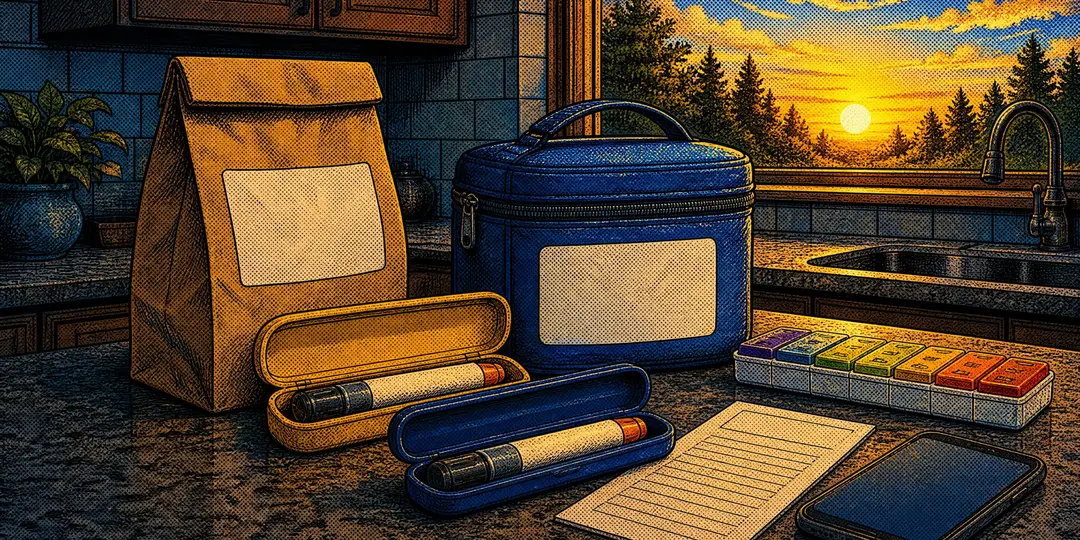
Emergency preparedness for medical needs: daily medication, severe allergies and limited mobility, condition by condition, with the people to ask.
Emergency preparedness for elderly parents living alone: what to set up on your next visit, from medication and a daily check-in to heat, a go-bag and papers.
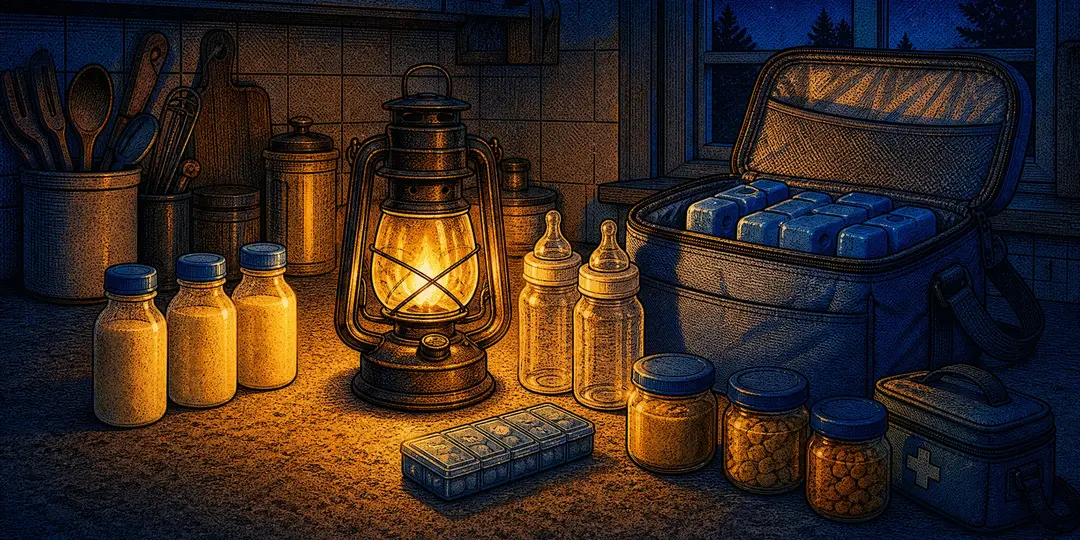
Emergency food for special diets: ready-to-feed formula for babies, safe foods for allergies and celiac, and a diabetes plan for a week without power or stores.