The two-week pantry: a shopping list under $150
A two-week emergency food supply for a family of four for about $150: ordinary supermarket food, no fridge needed, priced item by item, plus the rotation habit.
Fourteen days of the food you already eat, bought on the regular grocery run and rotated.
Know ten meals the shelf can make with no fridge, so the pantry is a menu and not a pile.
Learn to pressure can one tested recipe properly before you buy a cellar's worth of jars.
A two-week emergency food supply for a family of four for about $150: ordinary supermarket food, no fridge needed, priced item by item, plus the rotation habit.
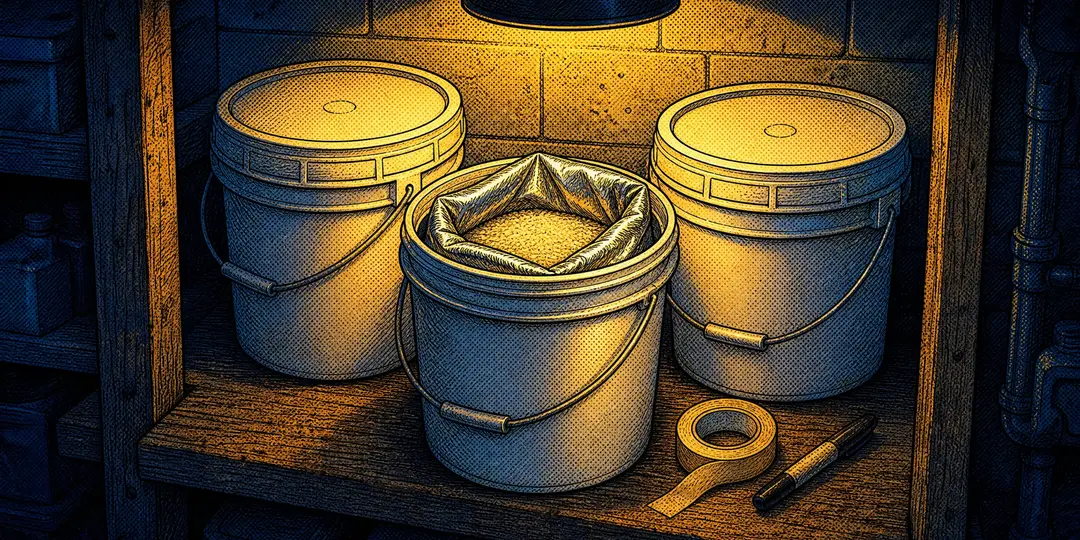
Long-term food storage, honestly: which dry foods really keep 25 years, which go rancid in months, and why DIY buckets cost far less per calorie.
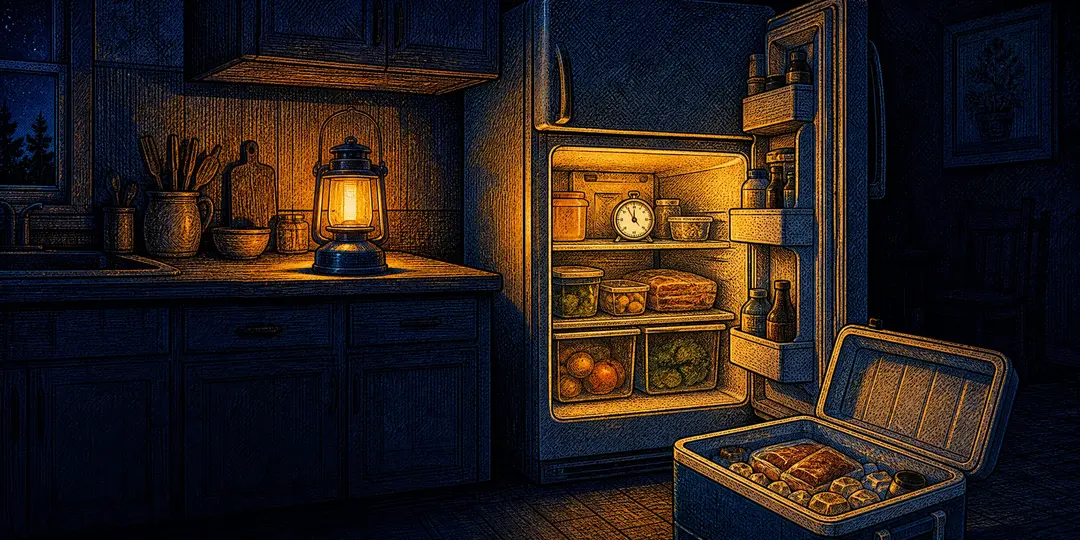
How long food lasts in the fridge without power: 4 hours, door closed. A full freezer holds 48 hours. The numbers, the thermometer trick and what to throw out.
Ten one-pot emergency pantry meals for four, made entirely from the two-week shelf, each with a no-cook fallback and a fuel cost you can count in canisters.
How to cook without power using what you already own: which stove first, the thermos trick that halves the fuel, what to eat in what order, and the CO rule.
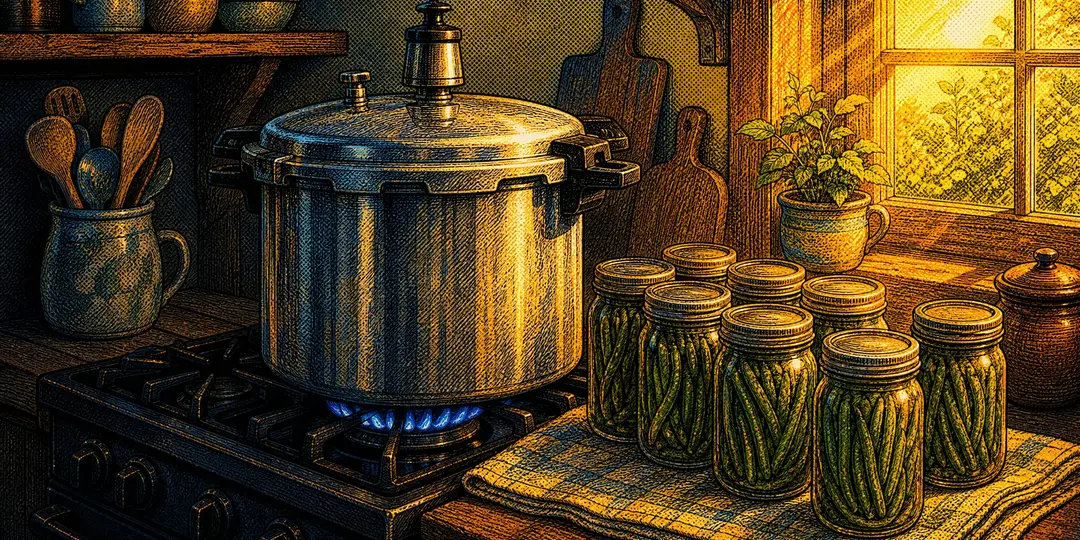
Pressure canning for beginners: what the pressure does, the gear and its $150–250 cost, a first batch of green beans, and how to tell a jar is wrong.
Water bath vs pressure canning comes down to pH 4.6. Which side 25 foods fall on, the time each needs, why tomatoes are awkward, and how to check old recipes.
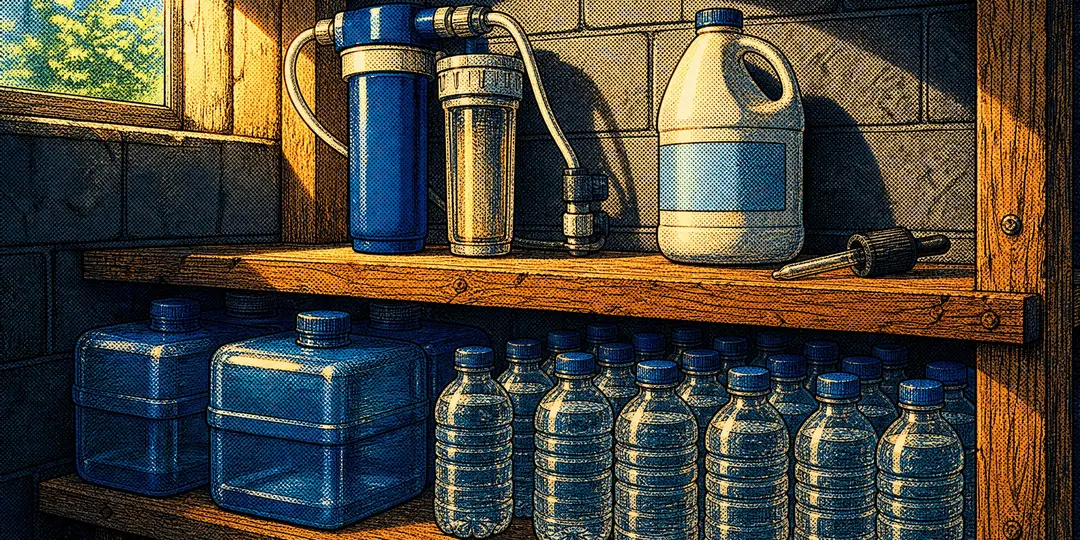
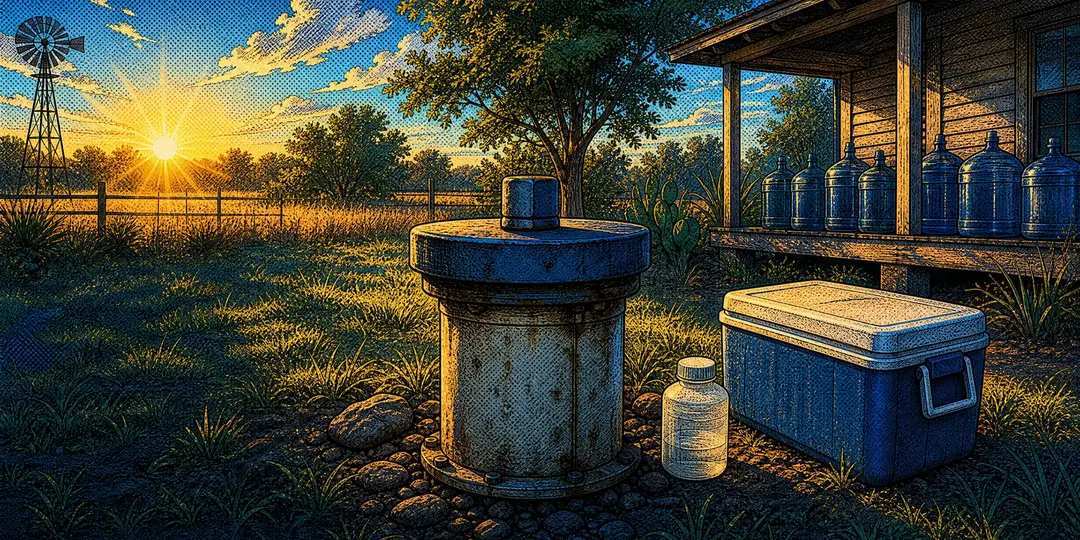
Emergency water storage in one guide: the 1-gallon, 14-day rule, the 30–80 gallons in your water heater, treating doubtful water, and what never to drink.
How much water to store per person: one gallon a day for fourteen days, in food-grade containers somewhere cool and dark. The numbers, containers and shelf.
How often to test well water: once a year for coliform bacteria, nitrates, pH and dissolved solids, and again after any flood. Plus how to check stored water.
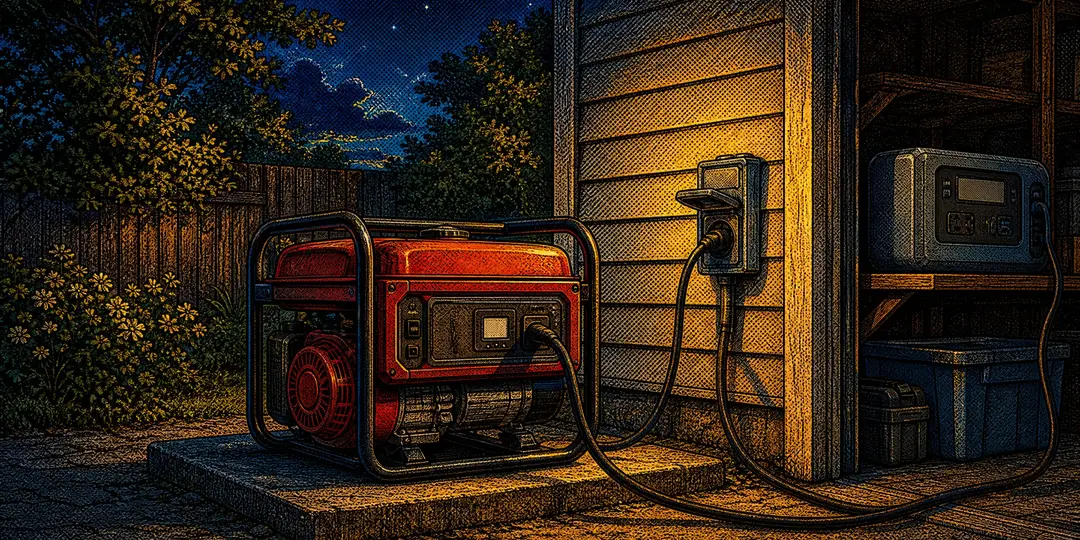
Generator vs power station: list the five things that must keep running, add up the watts, and the answer picks itself, often a small one of each.
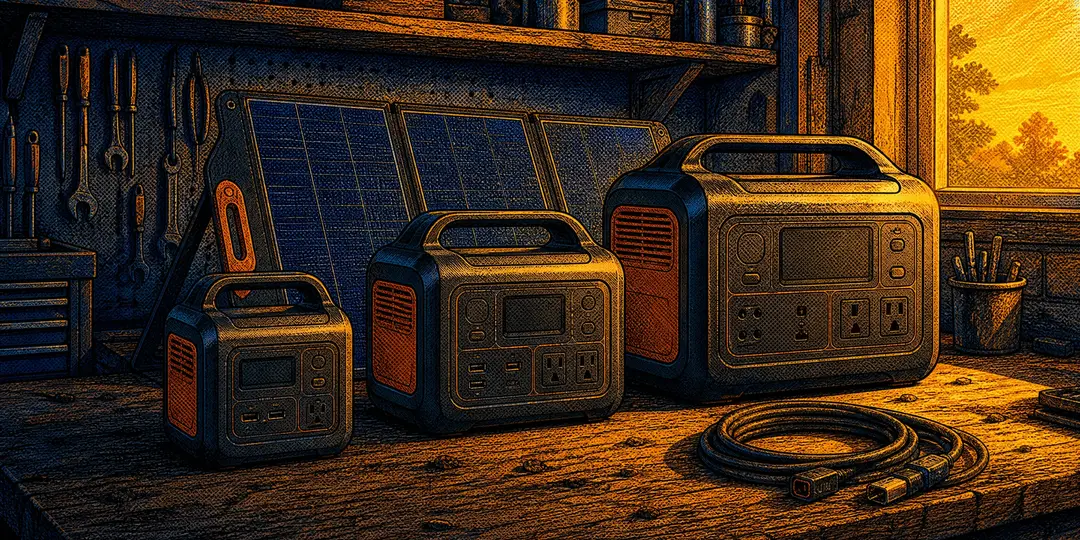
How to choose a power station: watt-hours, inverter output and battery chemistry decide what it runs in an outage. Three tiers, priced $300 to $1,500.
Emergency lighting for power outages: six kinds compared on useful runtime and daily use. The answer is a headlamp each, a lantern per room, no candles.
Every outage task needs two hands. The best headlamp for emergencies costs $15–30, and five features matter more than the lumens printed on the box.
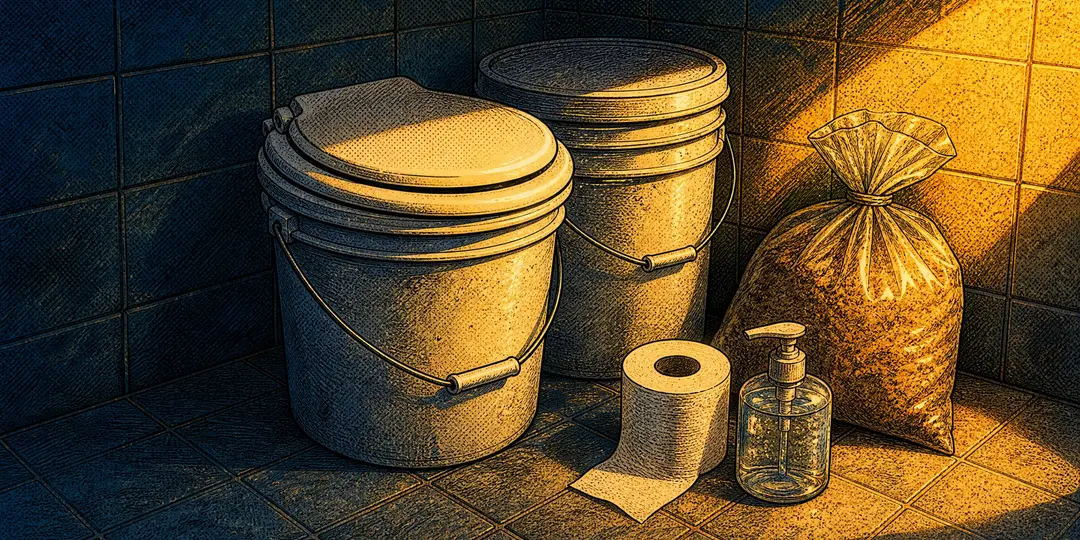
An emergency bucket toilet for $25, a handwashing station and a few bleach rules keep a household healthy for a week when the water’s off.
The emergency hygiene supplies a household of four gets through in fourteen days without running water, with quantities, prices and the shelf space they take.
Hot water without power: what your water heater still does, how to heat wash water safely on a stove, and the 40 gallons already sitting in the tank.
Thirty non-food items to stockpile that run out before the food does, from batteries to cash, each with a two-week quantity for a family of four.
How to build a 90-day supply of medication legally: 90-day fills, early-refill windows, emergency rules, and storing it when the power goes out.
Three rules pick what goes on our deals list, and the same three show how to spot a fake discount: an inflated “was” price, a countdown or a bargain that isn’t.
The best time to buy prepping supplies, month by month: when generators, batteries, camping gear, canning jars and pantry staples tend to go on sale.