Grid-down, EMP and the difference between plausible and movie plot
How to prepare for grid-down: real outages last hours to days, occasionally weeks, and five preparations cover them all. What EMP is, and what to ignore.
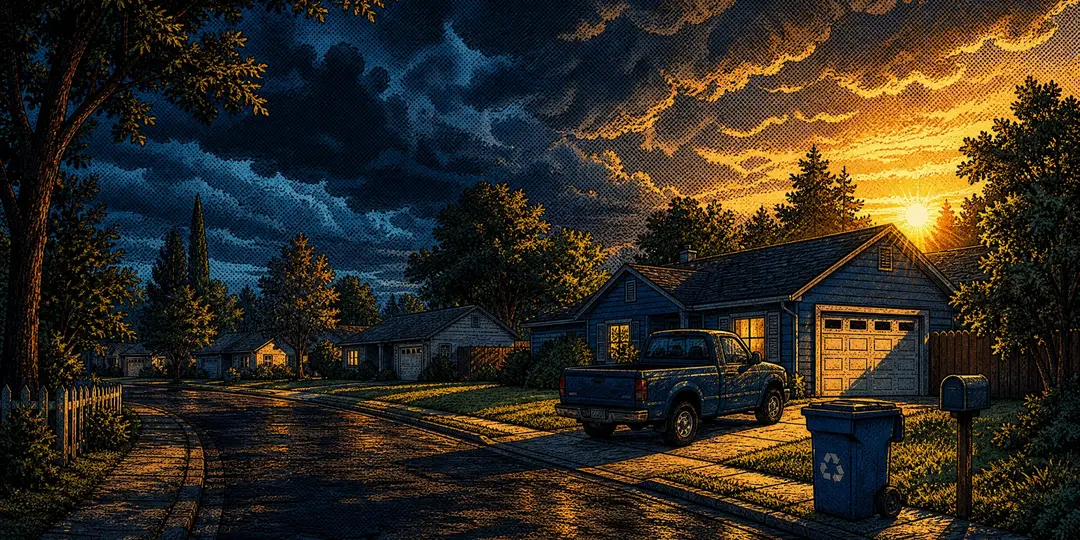
This is what grid-down looks like for almost everyone who experiences it: one street, one evening, one lantern. It ends in two days.
“Grid-down” is the phrase that sells more unnecessary equipment than any other in preparedness. It usually means a continent-wide, months-long blackout caused by an electromagnetic pulse, a solar storm or a cyberattack, and it usually comes attached to a product. The outages that actually happen to US households look nothing like that, and knowing how to prepare for grid-down starts with them: they are local, they are caused by weather and old equipment, and they are over in two days.
This guide explains what the grid is and how it fails, lists the outages that have really happened and how long they lasted, takes the three movie-plot scenarios seriously enough to say what is known about each, and ends with the preparation that covers all of it. The short version: prepare for two weeks without power, which you should do anyway, and buy nothing with “EMP” on the box.
What the grid is, and how it actually fails
The North American grid is three large machines: the Eastern Interconnection, the Western Interconnection and most of Texas, each a network of generators, long-distance transmission lines and local distribution lines, kept in balance second by second by regional operators. It is old in places, patched everywhere, and far more resilient than its reputation, because it is built to lose pieces and keep running.
Nearly every outage you will ever experience happens in the last mile: the distribution lines along your street and the transformers on the poles. A tree falls on a line, ice loads it until it snaps, a storm takes out a substation, a heat wave overloads a transformer. The transmission network behind it is usually fine, which is why the lights are on two towns over while yours are off, and why power comes back street by street as crews work through the damage.
Big outages happen when a lot of last-mile damage arrives at once (a hurricane, an ice storm across three states) or, rarely, when the transmission network itself cascades, as it did in 2003. Even then, the pattern holds: most customers are back in one to three days, and the long tail is the people whose poles have to be rebuilt.
The transmission network is the part of the grid that the movie scenarios attack. Almost every real outage is further down the line, on the poles on your street.
The outages that have actually happened
These are the reference points. When someone describes a scenario, compare it with this table before you compare it with a movie.
Event
Cause
Who lost power
How long
Northeast blackout, August 2003
Software and operator failures cascaded across the transmission network
About 50 million people in eight states and Ontario
Most back within a day; nearly all within two
Quebec and New England ice storm, January 1998
Freezing rain brought down thousands of poles and towers
Over a million customers
Most within a week; the worst rural areas about a month
Mid-Atlantic derecho, June 2012
A line of severe thunderstorms during a heat wave
About 4 million customers
Most within 3 days; some a week
Hurricane Maria, Puerto Rico, September 2017
Category 4 hurricane over an already fragile grid
The whole island, about 3.4 million people
Months; the longest blackout in US history
Winter Storm Uri, Texas, February 2021
Generators and gas supply froze; operators cut load to stop a collapse
About 4.5 million customers
Rolling to continuous outages over 3 to 4 days in sub-zero cold
Hurricane Ida, Louisiana, August 2021
Transmission towers into New Orleans failed
About a million customers
Most within 10 days; some rural parishes 3 to 4 weeks
California planned shut-offs, every fall since 2019
Utilities de-energize lines in fire weather on purpose
Tens of thousands to a few million customers at a time
1 to 5 days, with notice
Ukraine grid cyberattack, December 2015
Attackers opened breakers at three distribution companies
About 230,000 customers
A few hours; restored manually
Two things stand out. First, duration: hours to days for nearly everyone, weeks for the unlucky tail, months only once, on an island with a grid that was failing before the storm. Second, cause: weather and equipment every time but one, and the one deliberate attack in the table was fixed in hours by people flipping switches by hand.
The deaths in these events are instructive too. Uri killed around 250 people, most from cold, carbon monoxide from generators and stoves run indoors, and medical equipment losing power. Nobody died for want of a bunker. They died of a cold house and a badly placed generator, which are the problems a normal household can actually solve.
The three movie plots, taken seriously
Each of these is physically possible. The question is not whether it could happen but what is known about it, and whether anything you can buy for a house changes the outcome.
Nuclear EMP
A high-altitude electromagnetic pulse is what a nuclear weapon produces when it is detonated far above the atmosphere: a burst of energy that induces currents in long conductors over a wide area. The United States measured it in 1962, when a test over the Pacific put out some streetlights in Hawaii, 900 miles away.
Three things follow. It requires a nuclear weapon and a missile capable of lofting it, so it is an act of war by a state, not a weather event, and it would not arrive on its own. Its effects on a modern grid are uncertain: the congressional EMP Commission concluded the main risk is to large transformers and long transmission lines, which is to say the same transmission network that a hurricane or a solar storm threatens, not individual houses. And the effect on cars, phones and household electronics is far less certain than the fiction suggests; the Commission’s own testing exposed dozens of vehicles to simulated pulses and most kept running or restarted.
Nothing a household can buy changes the outcome. A Faraday bag protects a spare radio from a pulse that may never come, against an effect that may not reach it, in a scenario where the radio is the least of your problems. The preparation that would matter is the same as for any long outage, which is covered below.
A solar storm
This one has a track record. A geomagnetic storm in March 1989 collapsed the Quebec grid in about ninety seconds and left six million people without power for nine hours. The 1859 Carrington event, the largest on record, set telegraph wires sparking; a storm that size today would stress large transformers across whole regions, and replacing a big transformer takes months, which is where the worrying scenarios come from.
It is the most plausible of the three because it needs no enemy, and it is the one the industry has spent real money on: operators get hours of warning from satellites, have procedures to reduce load, and have been hardening and stockpiling transformers since 1989. The plausible household outcome is a regional outage of days, with a small chance of weeks. That is the ice-storm scenario, and it is prepared for the same way.
Cyberattack
Attackers have turned off part of a grid exactly once that is publicly known, in Ukraine in 2015 and again in 2016, and both times the lights were back within hours because distribution systems can be run by hand. US utilities have been probed for years. The realistic version of this scenario is a city or a region losing power for hours to a day or two, with a ransomware-style scramble behind it, which is again the storm scenario with a different cause.
"Every scenario that sounds like a movie ends, for your house, in the same place: no power for a while. Prepare for the while."
The whole argument, in one line
A plausibility ladder
Put the scenarios on a ladder by how often they happen to a given household, and the shopping sorts itself.
Scenario
How often, for one household
How you'd know
What it changes
Local outage, hours
Several times a year
The lights go out
Nothing; a flashlight
Storm outage, 2 to 5 days
Every few years
Forecast, then the lights go out
The five basics (below)
Regional outage, 1 to 3 weeks
Once or twice in a lifetime
A named storm or a hard freeze across several states
Water beyond 14 days, a heat plan, neighbors, cash
Solar storm, days to weeks
Carrington-class: perhaps once a century
Hours of warning on the news; aurora far south
Same as a regional outage
Cyberattack on a utility
Rare, and so far short
Outage with no weather
Same as a storm outage
Nuclear EMP
Only in a war; never in 80 years
You would not be wondering about the grid
Nothing a household can buy
Months-long national grid-down
Has not happened; would need several of the above at once
—
Nothing you would not already have done for three weeks
Cover two weeks. Two weeks of water (one gallon, 3.8 L, per person per day), two weeks of food that needs no fridge, light, a way to cook outdoors, a battery radio, a power bank and a plan for where everyone meets. That is the whole of the first 30 days, and it covers every outage in the first table for all but the unlucky tail.
Then make the tail survivable, cheaply. Three things separate a bad two weeks from a bad two months, and none is expensive:
A water source, not just stored water. A squeeze or gravity filter plus a known source within walking distance (a stream, a pond, a rain barrel, a neighbor’s pool) turns fourteen days into indefinite. Water storage 101 covers filters and treatment.
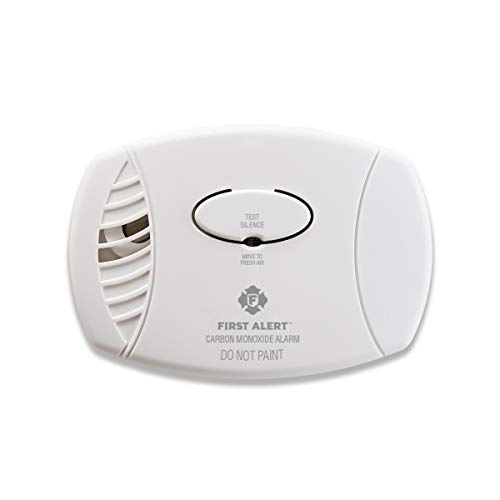
Heat without the grid. In a cold climate this is the one that kills. One room, closed doors, sleeping bags rated for the cold, and if you heat with anything that burns, a carbon-monoxide alarm and an open window. Sheltering in place through a week-long outage is the detailed version.
Neighbors and cash. The long outages in the table were survived by streets that shared generators, fridges and information, and by people who had cash when card readers were down. A few hundred dollars in small bills, and knowing which three neighbors have what, are worth more than any single purchase on this page.
What takes the grid down in practice: ice, a branch and a pole. The repair is a crew with a truck, and the wait is measured in days.
Backup power, in its place. A generator or a power station is a week-three purchase, after the basics, and it is for the fridge, a medical device or a furnace fan, not for living normally. Backup power for a normal house explains which, and the one rule that matters more than any brand: a generator runs outdoors, 20 feet (6 m) from any window, every time.
What not to buy
Faraday bags and cages, for the reasons above. “EMP-proof” vehicles, old trucks bought for an attack that has not happened against an effect that mostly did not disable cars in testing. Bunkers, bug-out land and a year of freeze-dried food for a national collapse that no outage in history resembles; the money buys a decade of the two-week preparation for every relative you have. Solar systems sold as grid-down insurance rather than as a way to lower a bill; if you want solar, buy it on its economics and treat the backup as a bonus, which partial off-grid for a suburban house works through.
The honest test for any grid-down product is the first table. If it would not have helped a household in Texas in February 2021, it is not for grid-down. It is for a movie.
Quick answers
How long do power outages usually last?
Most US power outages last hours to a few days. Even in big events, such as the 2003 Northeast blackout or the 2012 Mid-Atlantic derecho, most customers were back within one to three days. A smaller tail waits weeks while poles are rebuilt, and only one modern US outage, Hurricane Maria in Puerto Rico, lasted months.
Would an EMP disable my car?
Probably not, though nobody can say for certain. The congressional EMP Commission exposed dozens of vehicles to simulated pulses, and most kept running or restarted. A nuclear EMP requires a nuclear weapon detonated at high altitude, and the Commission concluded its main risk is to large transformers and long transmission lines rather than individual cars or houses.
Do I need a Faraday bag for an EMP?
No. A Faraday bag protects a spare radio from a nuclear EMP that may never come, against an effect that may not reach it, in a war in which the radio would be the least of your problems. The money is better spent on two weeks of water, food, light, outdoor cooking, a battery radio and a carbon-monoxide alarm.
Can a solar storm take down the power grid?
Yes, regionally. A geomagnetic storm in March 1989 collapsed the Quebec grid in about ninety seconds and left six million people without power for nine hours. Grid operators now get hours of satellite warning and have procedures to reduce load. The plausible household outcome is a regional outage of days, with a small chance of weeks.
What is the best way to prepare for a long power outage?
Prepare for two weeks without power: one gallon (3.8 L) of water per person per day, food that needs no fridge, light, a way to cook outdoors, a battery radio, a power bank and a family meeting plan. Then add a water filter and source, a safe way to heat one room, cash and neighbors you know.
Read next
Sheltering in place through a week-long outage: what it’s actually like. Hour by hour, from the first evening to the day the trucks arrive, with the five basics doing the work.
Picks that match the specs in this guide, from makers with a track record. We haven't tested them yet. As an Amazon Associate we earn from qualifying purchases, at no cost to you. Add what you need to my list, then send the whole list to your Amazon cart all at once. Prices and availability are accurate as of the date and time shown and are subject to change. The price and availability shown on Amazon.com at the time of purchase will apply.
Black Diamond
Black Diamond Astro 300 Headlamp (AAA)
Runs on AAA, dimmable. Maker specs this model with red night-vision mode, lock mode, tilting head and IPX4.
No price from Amazon right now (checked Nov 24, 7:06 a.m. CT)
Shane is a disabled US Army veteran who served as an M1A1 tank crewman, then spent his career in technology and manufacturing supply chains, keeping parts moving through COVID. He, his wife Heather and their three kids have ridden out tornadoes, the February 2021 Texas freeze, the 2026 floods in Northeast Texas and power outages that lasted days. He started Prepping Expert to give families the plain, affordable, step-by-step version he wished he'd had.
Disaster risk where you live fits on a short list: three hazards every US home shares, two or three regional ones, and a twenty-minute way to rank them.
What to do in a flood: move valuables up, never drive into water, and photograph everything before you clean. The order that keeps people safe and the claim intact.
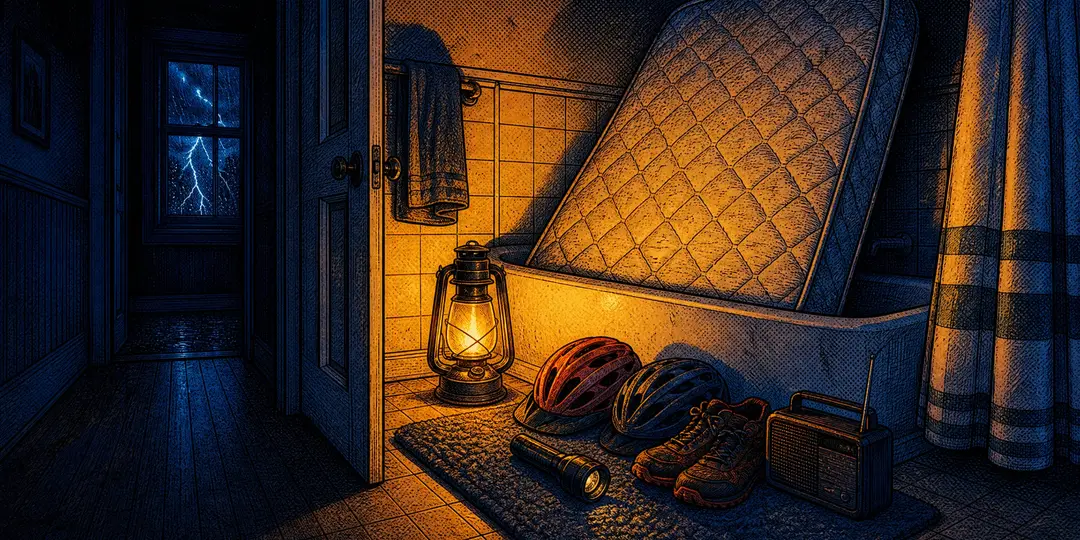
Where to shelter in a tornado: the lowest floor, the smallest interior room, no windows, heads covered. Pick the spot, stock it and practice it before spring.
We use Google Analytics cookies to count visits and see which guides help. No ads, nothing sold. Cookie policy








 4
Comments
No comments yet. Read the comment guidelines before posting.