The survival skills that matter, in order
The ten most important survival skills, ranked by how often a normal household uses them, with how long each takes and the free or cheap way to learn it.
Learn skills in the order you are likely to need them, starting at home, not in the woods.
Shelter, water, fire and signal, in that order, is the whole of wilderness survival for a day hike gone wrong.
Practice fire in your backyard with dry tinder before you ever need it in the rain.
The ten most important survival skills, ranked by how often a normal household uses them, with how long each takes and the free or cheap way to learn it.
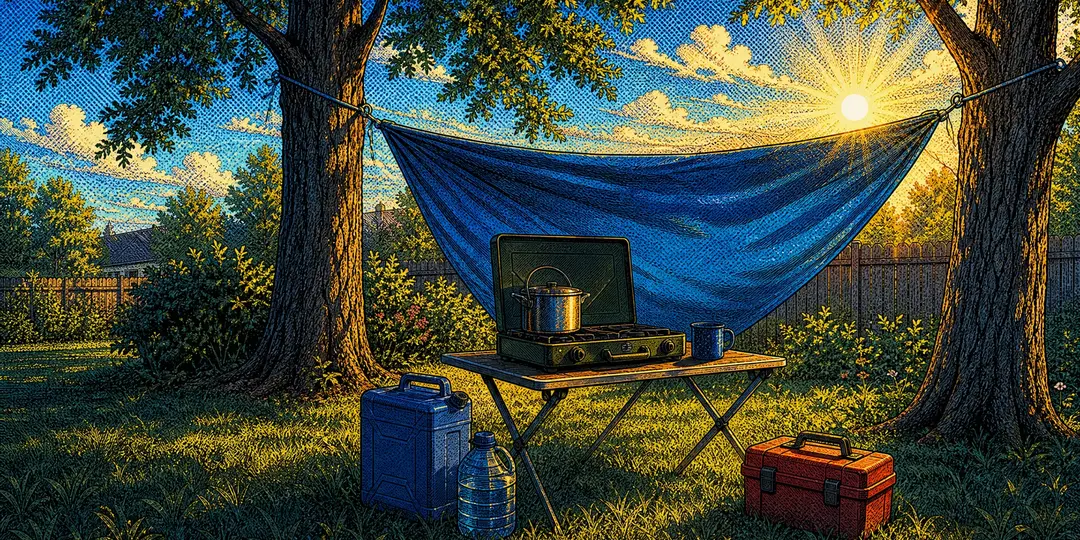
A survival skills practice plan for beginners: six skills in two days in a backyard, from water and stove cooking to a tarp pitch. Hour by hour, under $100.
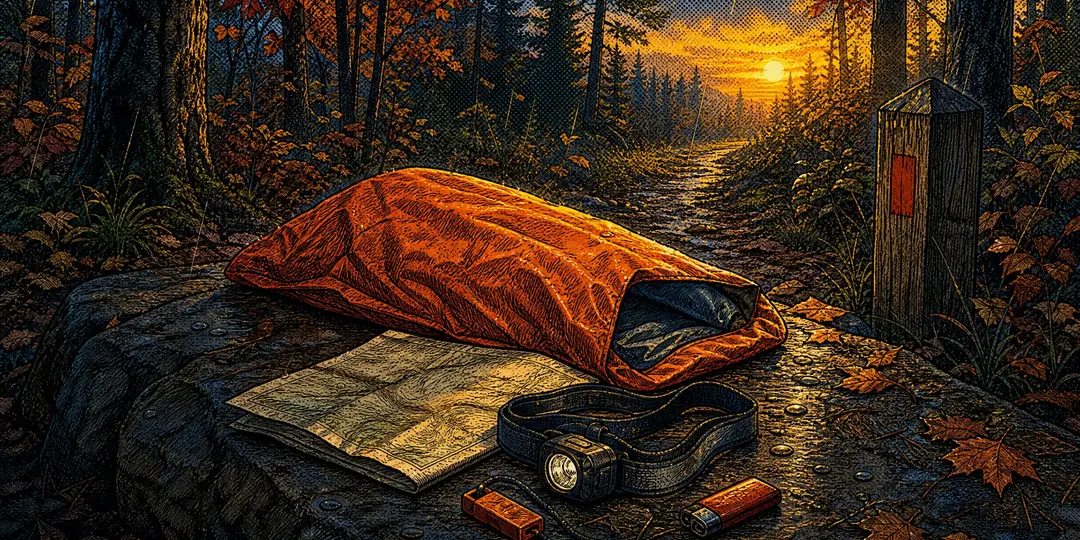
Wilderness survival basics in five steps: stop, shelter, water, fire, signal. What each involves, the 1½ lb pocket kit, and why staying put usually wins.
The survival rule of threes: three minutes without air, three hours without shelter, three days without water, three weeks without food. A memory aid only.
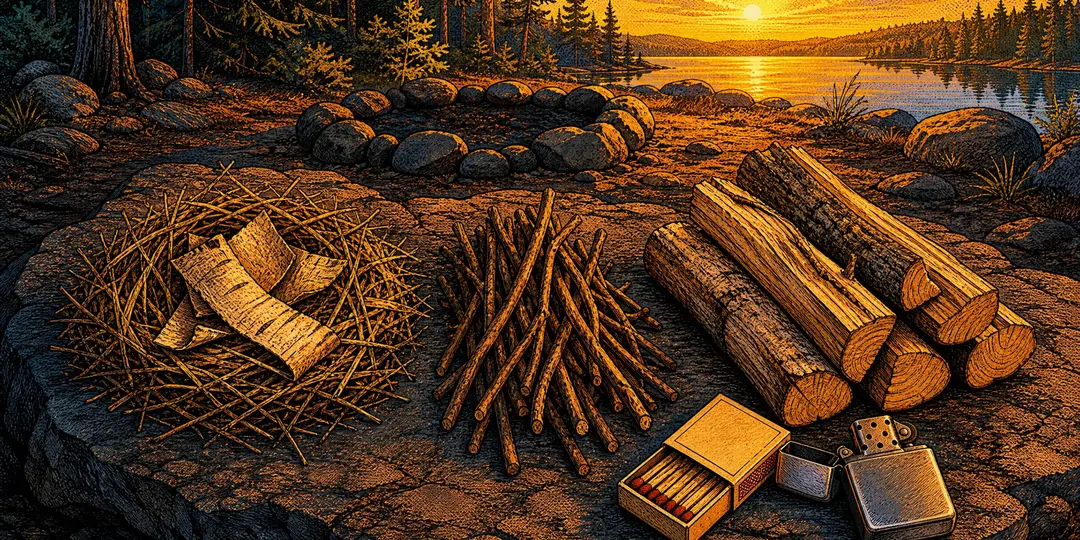
How to start a fire that keeps going: the three-size fuel ladder, the tinder that works when it’s wet, and why a lighter and matches come before the ferro rod.
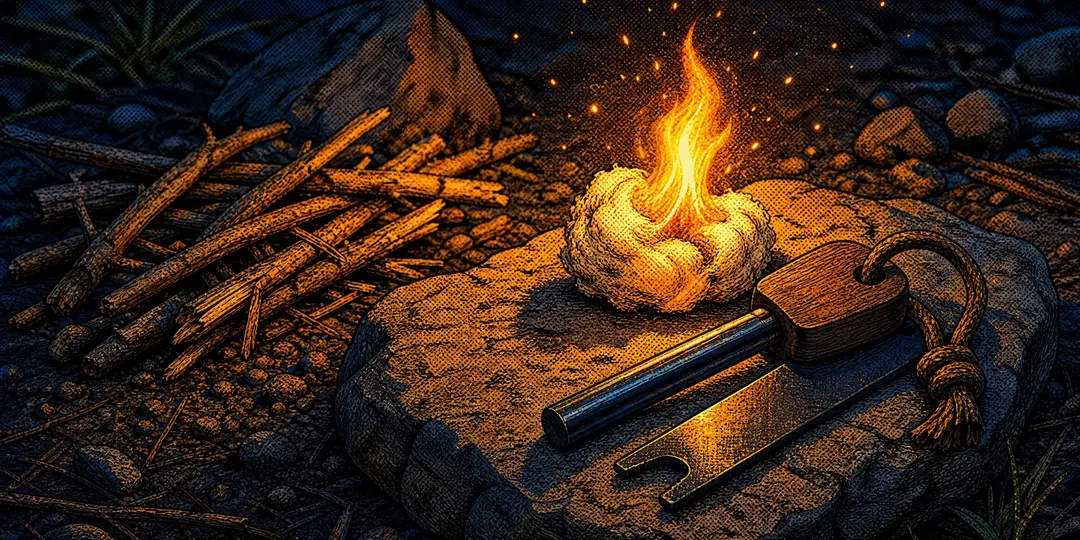
How to use a ferro rod when it throws sparks but won’t light: the five reasons it fails, the fix for each, and a drill that gets you to fire in five strikes.
Foraging for beginners: three hard-to-mistake edibles to learn first, ten poisonous plants and lookalikes to leave alone, and where you may legally pick.
Wild edibles by season for six US regions: a handful of common plants each, an honest confusion-risk rating, and the regional field guide to check against.
Small-game hunting for beginners: the license, the hunter-ed course, what it costs, how much food it really yields, and why it is a skill, not a food plan.
Trapping laws by state, as a checklist: ten questions to answer from your wildlife agency before you set any trap, from license and season to check interval.
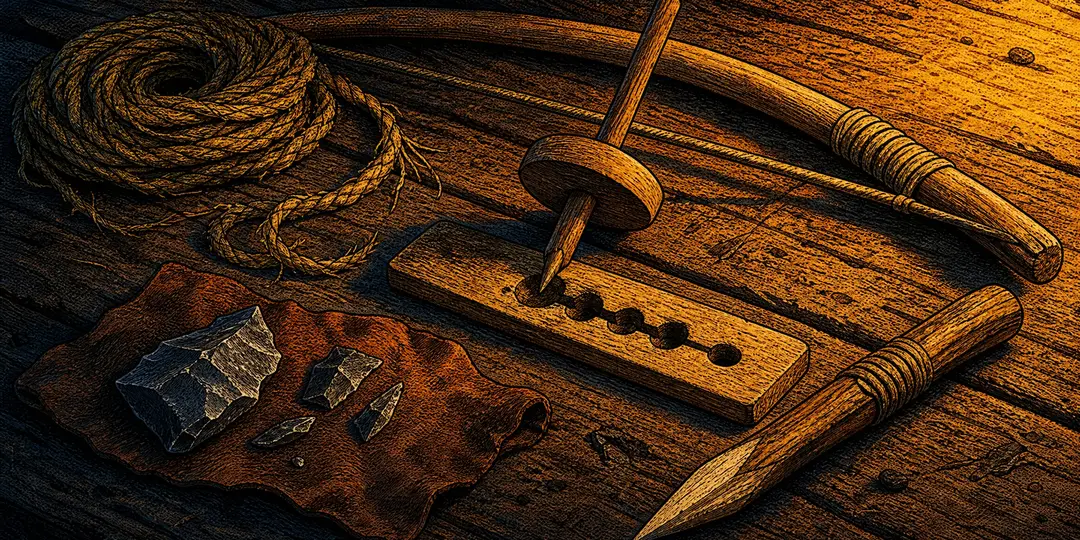
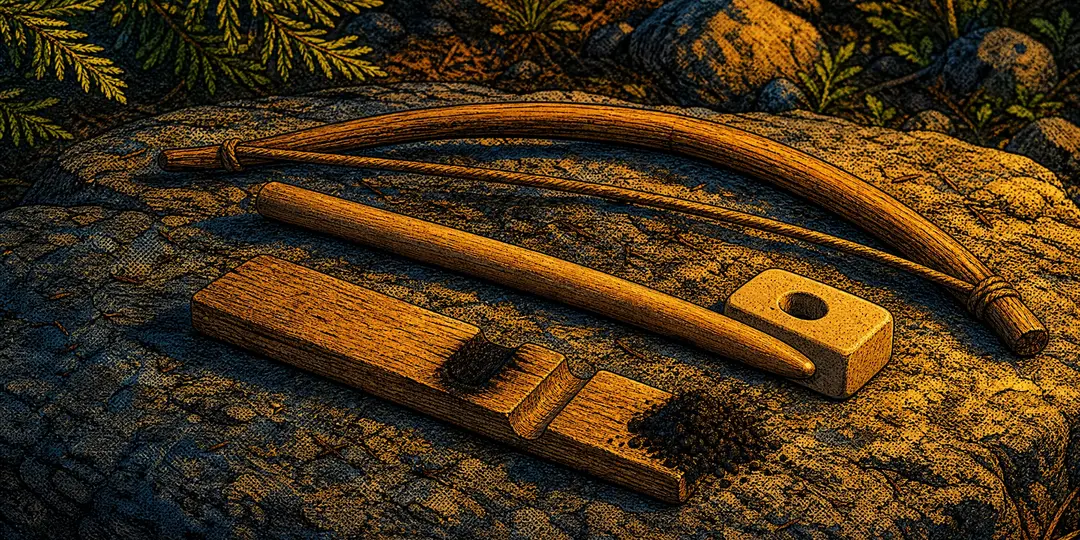
Which primitive skills are worth learning: cordage and simple tools earn their time, the bow drill builds confidence, and flint knapping is a hobby.
How to make a bow drill set, two-ply cordage and a fire-dried digging stick in one afternoon, with honest times and how often beginners get an ember.
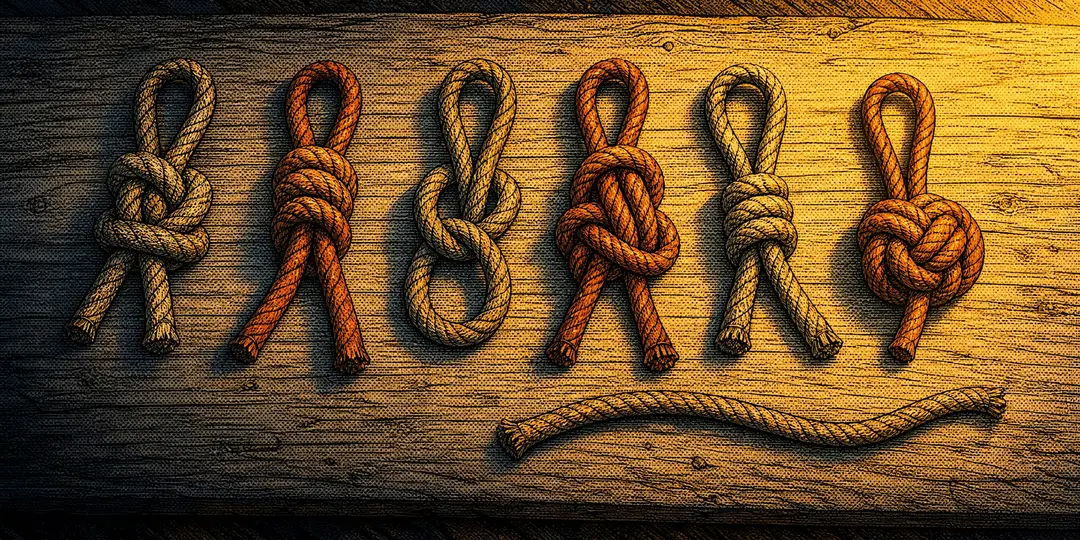
Six basic knots everyone should know, from the bowline to the sheet bend: what each is for, the one mistake people make with each, and a practice routine.
How to tie a trucker’s hitch for roof racks and tarp ridgelines: seven steps, two loop variants, how tight is enough, and how to release it.
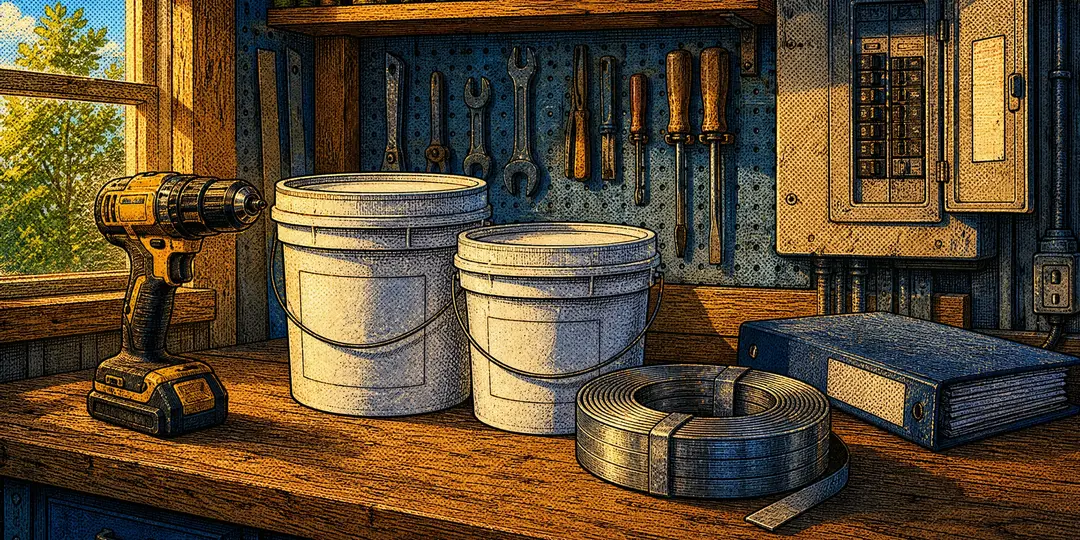
Twelve DIY emergency preparedness projects ranked by readiness per hour of work, with time, cost and difficulty, plus the ones to skip without a workshop.
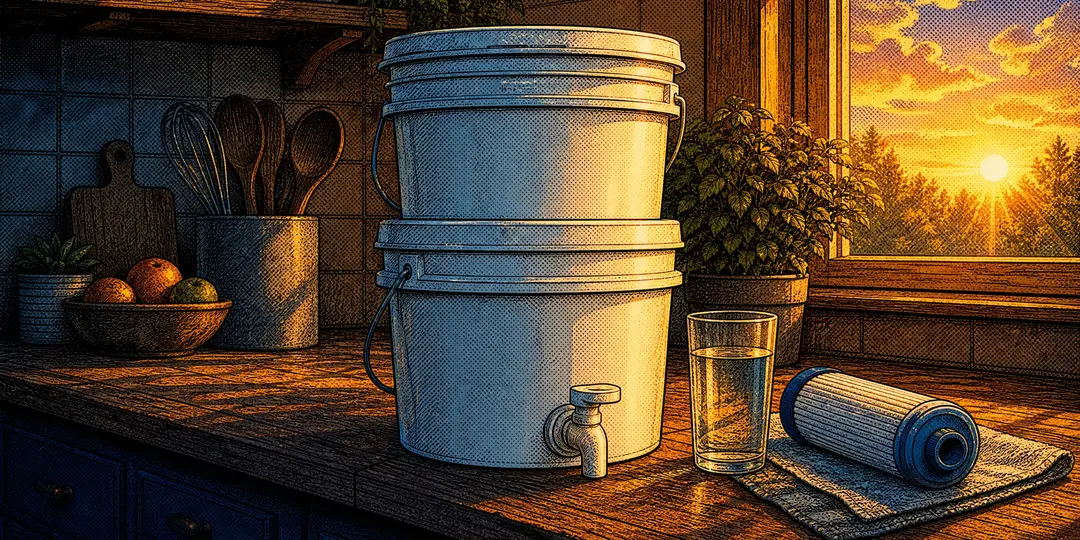
A DIY bucket water filter from two food-grade buckets and one element: $30–40 in parts, an hour to build. Steps, flow, upkeep, and what it won’t remove.
The six first aid skills to learn, ranked by how often they save a life at home, where to learn each in a weekend and what it costs, and what to carry for each.
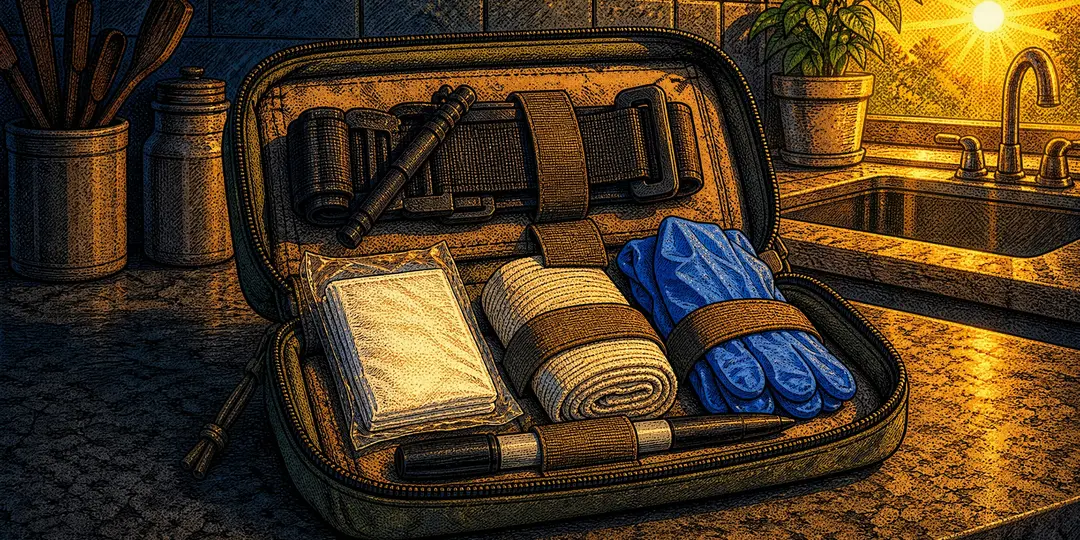
How to stop severe bleeding in the first three minutes: call, press, pack, tourniquet, and the free course that teaches it with your hands.
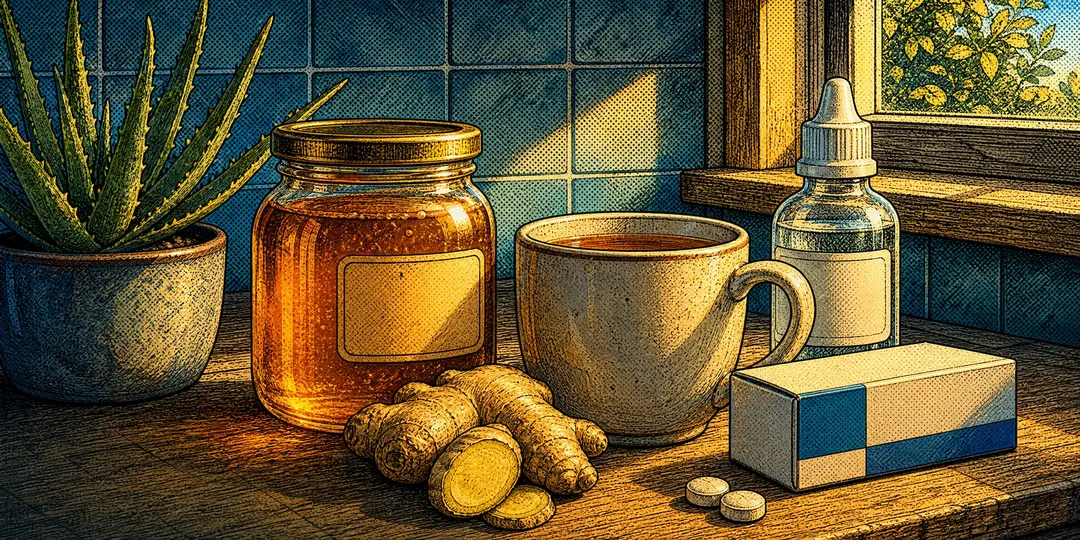
Do natural remedies work? Twenty common ones graded supported, plausible or unsupported, with safe use, who should skip each, and where they stop.
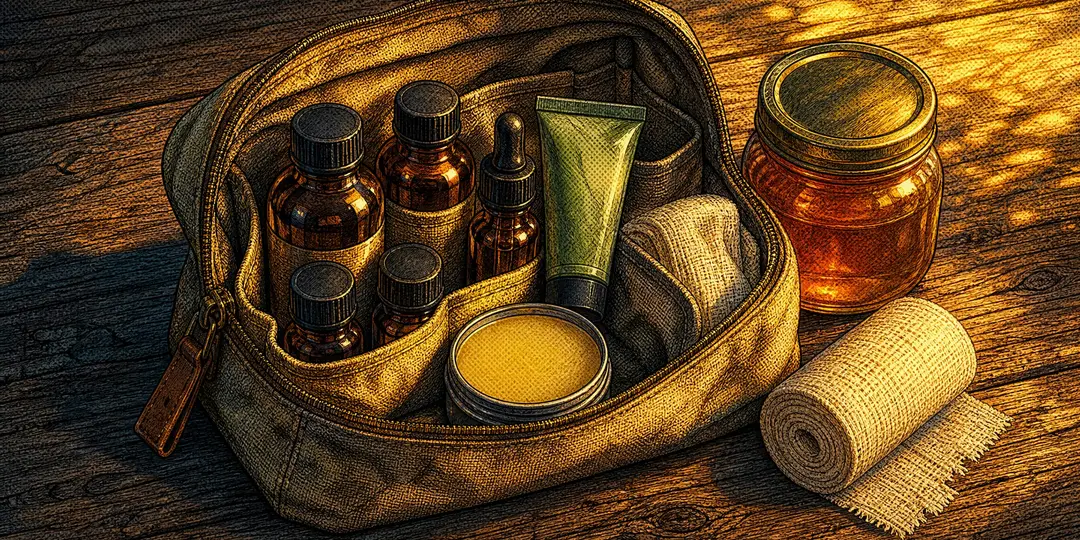
Item by item through the herbal first aid kits sold online: what helps minor problems, what is filler, and what to swap for the cheaper pharmacy version.