


For two weeks without power, a family of four needs roughly one full 20 lb (9 kg) propane tank plus a spare for cooking, and somewhere between 10 and 25 gallons of gasoline if they run a portable generator for a few days. That gasoline goes stale within months unless it is stabilized and rotated, none of it belongs in the house, and your local fire code sets a ceiling on how much you may keep. This guide to emergency fuel storage covers all four parts: what keeps, how much, where, and how to rotate it so none of it is ever old.
If you haven’t chosen a stove yet, survival stoves compared comes first; the fuel follows from it.
How long each fuel keeps
| Fuel | Shelf life | Container | Main risk |
|---|---|---|---|
| Gasoline, untreated | About 3–6 months | Approved red gas can, 5 gal (19 L) or less | Vapor ignites easily; goes stale and gums up small engines |
| Gasoline with stabilizer | About 1 year, up to 2 by some makers’ claims | Same | Same; stabilizer slows aging, doesn’t stop it |
| Propane (20 lb tank) | Fuel doesn’t degrade; tank needs requalifying 12 years after its date stamp | DOT cylinder with an OPD valve | Leaks; heavier than air, so it pools low |
| Propane (1 lb cylinder) | Years | Disposable cylinder | Leaky valves once used; rust |
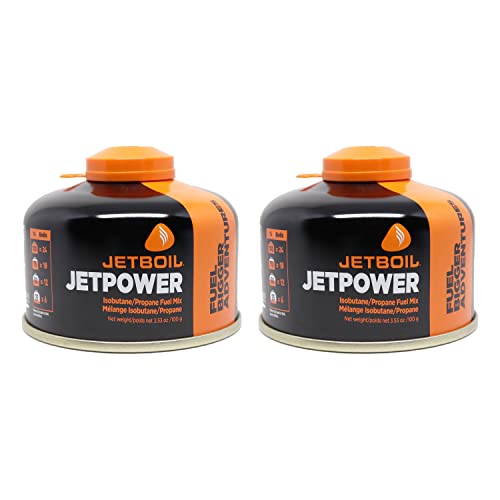
| Isobutane stove canisters | Years, sealed | Screw-top canister | Rust, dents; weak in cold |
| Diesel | About 6–12 months; longer treated | Approved yellow can | Microbial growth, water in the fuel |
| Kerosene | Years in a sealed, opaque container | Approved blue can | Mistaken for another fuel |
Gasoline is the problem fuel. It starts to lose its lighter components within weeks, and ethanol blends absorb water. Stale gas is the most common reason a generator won’t start on the day you need it. Add fuel stabilizer at the pump, as you fill the can, at the dose on the bottle, and write the date on the can with a paint pen. Ethanol-free gasoline, where you can buy it, keeps better and is kinder to small engines.
Propane is the easy fuel. It doesn’t go bad. The tank itself has a date stamped on the collar; a 20 lb cylinder needs requalifying (or swapping) 12 years after that date, and most exchange cages will simply swap an old one. Check that the valve has the triangular OPD (overfill protection) handle; refill stations won’t fill a tank without one.
Canisters keep for years if they are kept dry. Throw away any that are rusted at the seams or dented at the rim.
How much: two weeks of cooking, a few days of generator
Run times depend on the appliance, so check your stove’s and generator’s manuals. These are working ranges for planning:
- Two-burner propane camp stove or grill, family of four cooking two hot meals a day: about one 20 lb tank in two weeks if you cook simply. Keep a spare, because a tank always runs out mid-meal. If you use 1 lb cylinders instead, plan on one to two per day of real cooking, which adds up fast; an adapter hose to a 20 lb tank is cheaper and less wasteful.
- Single-burner canister stove, boiling water and heating simple meals: 8–12 canisters (8 oz / 230 g) for two weeks.
- Portable generator: a typical 3,500–5,000 watt model burns very roughly half a gallon to a gallon (2–4 L) an hour at half load, less for an inverter model. Run it in shifts (an hour or two to cool the fridge and freezer and charge everything, then off) and a household uses roughly 3–6 gallons a day. A few days of that is 10–25 gallons, which is also about where the fire code stops you.
That last point is why a generator plan needs a fuel plan. Backup power for a normal house covers the choice between a generator and a power station; part of the case for a power station is that it needs no stored fuel at all, and the power station buyer’s guide covers choosing one.
Emergency fuel storage: where it can live
The rules, in order of importance:
- Never in the house. Not in the basement, the utility room, under the stairs or in a closet. Propane is heavier than air and pools in low spaces; gasoline vapor travels along floors to a pilot light or a water heater.
- Detached shed first. A shed or outbuilding away from the house, ventilated, out of direct sun, is the best place for gas cans and spare propane tanks.
- Attached garage only within limits. If you have nowhere else, keep the smallest amount in approved containers, well away from the water heater, furnace, dryer, freezer motor and anything else that sparks. Many codes set a lower limit for an attached garage than for a detached one.
- Propane tanks outdoors and upright, on a level surface, valve closed, away from doors, windows, air intakes and the grill. Not in a car trunk in summer.
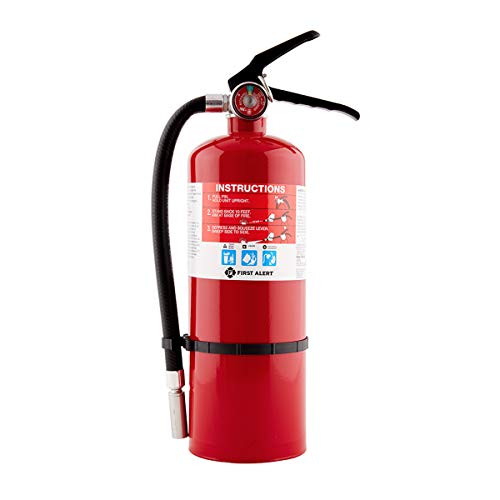
- Off the floor, out of the sun, with a fire extinguisher (rated for flammable liquids, class B) near the door, not next to the fuel.
- Kids can’t reach it. Lock the shed or the cabinet.





 4



Comments
No comments yet. Read the comment guidelines before posting.