Two lidded 5-gallon buckets in a tiled bathroom corner, one with a snap-on toilet seat, a bag of sawdust, a roll of toilet paper and a pump bottle of sanitizer gel on the floor beside them.
Sanitation when the water's off: the bucket toilet and everything around it
An emergency bucket toilet for $25, a handwashing station and a few bleach rules keep a household healthy for a week when the water’s off.
Shane RichardOct 16, 20269 min readGuide · Complete guide
The least glamorous kit in the house and the one most people forget: two buckets, a bag of sawdust, paper and sanitizer.
When the water stops, the toilet is the first thing in the house to fail. The tank refills once, then never again, and in a family of four that is a problem within the first day, well before the fridge or the pantry. The fix is cheap and boring: a $25–50 emergency bucket toilet, a handwashing station built from a water jug, and a few hygiene rules that stop a sanitation problem from becoming a stomach bug that goes around the house.
This guide covers the first day, the twin-bucket toilet, washing hands, dishes and clothes without running water, and the disease risk in plain words. The shopping list for all of it is the two-week hygiene supply list.
Day one: what happens when the water stops
Water stops for three common reasons: a main break or treatment-plant problem in town, a well pump without power, or frozen pipes. In each case the toilet still works once, because the tank is full. After that you have two options.
Flush with a bucket. Pouring about 1–2 gallons (4–8 L) of water quickly into the bowl pushes the contents through, as long as the drain and sewer are working. Use gray water for this, not drinking water: the bath you filled before the storm, dishwater, the water from mopping. It works well for the first day or two. It stops being sensible when stored water runs low, because the toilet will use more water than the people do.
Don’t flush at all if the sewer may be damaged. After an earthquake, a flood, or any time your utility says so, pouring water down the toilet can push sewage back up into your own house or a neighbor’s. Septic households should also stop if the drain field is flooded. In those cases, the bucket toilet starts on day one.
A useful rule: if only the supply is off, bucket-flush with gray water until it runs out. If the sewer might be broken, close the lid, put a bag over the toilet seat if you want to use the bowl itself as the frame, and switch to buckets.
The emergency bucket toilet: two buckets, not one
The simplest system that works for a family for a week is two 5-gallon (19 L) buckets, one for urine and one for everything else. It comes from emergency-management guidance in earthquake-prone cities, and the logic is simple: most of the smell and nearly all of the volume problem comes from mixing the two. Kept separate, the solids bucket stays drier, smells far less and fills slowly.
Item
Why
Rough cost
Two 5-gallon buckets with tight lids
One for urine, one for solids. Label them.
$10–16
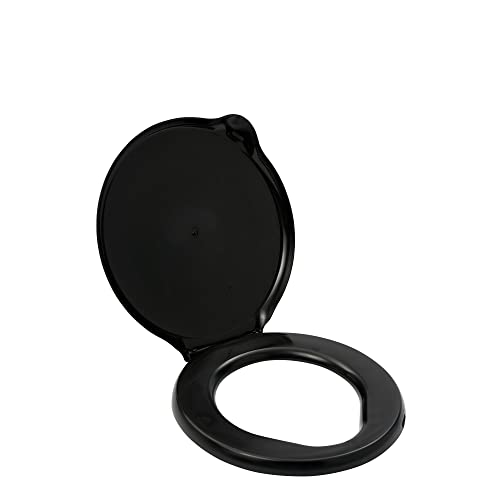
Snap-on toilet seat made for a bucket
Comfort, and it fits either bucket
$10–25
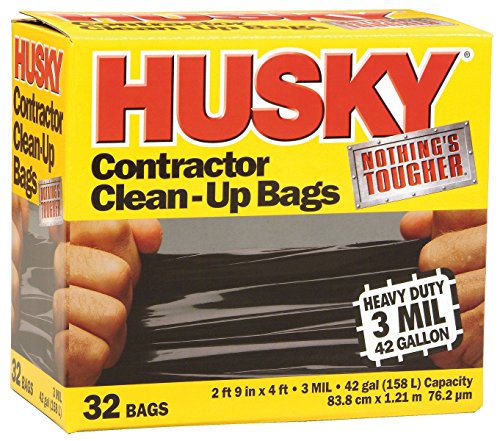
Heavy-duty bags (contractor or toilet-liner bags)
Line the solids bucket; change when half full
$10–15
Absorbent cover material: sawdust, wood pellets, clumping cat litter or shredded paper
A cupful after each use controls smell and moisture
$5–15
Toilet paper, hand sanitizer, gloves
Next to the buckets, not in the closet
Already in the house
The bare-minimum version is one bucket, one seat lid, bags, paper and sanitizer for about $25, the kit in week 6 of the $25-a-week buying order. Add the second bucket and the absorbent when you can.
How to use it
Solids bucket: lined with a heavy bag. After each use, a cup of absorbent material over the top and the lid back on. Toilet paper goes in this bucket too.
Urine bucket: no bag needed. Lid on between uses. Don’t add bleach or other cleaners: bleach and urine together can give off irritating fumes.
Where it lives: in the bathroom, so it feels like a bathroom, with a window open a crack if you can. Not in the kitchen and not in a bedroom.
Who empties it: an adult, wearing gloves, and then washing their hands. Put that on the kids-don’t-do list.
Storing and getting rid of waste
When the solids bag is about half full (any fuller and it is too heavy to lift safely), tie it, put it in a second bag, tie that, and put it in a lidded outdoor trash can set aside for the purpose, in the shade, away from where children play and away from any well or vegetable bed. Line the bucket with a new bag and keep going.
Disposal is where local rules apply. In many places emergency-management guidance says double-bagged waste can go out with household trash once collection resumes, the same way used diapers do; in a large disaster the city may announce collection points. Check your county or city emergency-management page now and write down what it says. Do not dump waste into storm drains or streams, and do not bury large amounts in a suburban yard.
Urine is a smaller problem. Where local guidance allows, the usual advice is to dilute it with water and pour it on a lawn or garden bed away from vegetables and water sources. Otherwise it can go down a working drain once the sewer is confirmed to be intact.
Two buckets, labeled, with the sawdust and bags in reach. The labels matter more than you’d think at 2 a.m.
Hands, dishes and clothes without a tap
Handwashing
Soap and water beat everything else, and you need surprisingly little water to do it properly. Put a container with a spigot on the bathroom counter or the edge of the tub, a basin or bucket under it, a pump bottle of liquid soap beside it and a roll of paper towels. Wet, turn off, lather for twenty seconds, rinse: about a cup of water each time. That is your handwashing station, and it uses stored water you already have.
CDC guidance is that hand sanitizer with at least 60% alcohol is the next best thing when soap and water are not available, and that it does not work well on visibly dirty or greasy hands. Use it in addition to washing, not instead of it, and keep a bottle by the toilet and one in the kitchen.
The two moments that matter most: after the toilet (and after emptying it), and before touching food.
Dishes
The easiest dishwashing is less of it. Paper plates, cups and a roll of foil for the first week are worth the cost and the waste. For what you do wash, use three basins: hot soapy water, a rinse, then a sanitizing soak. CDC guidance for sanitizing dishes after a disaster is a dip in 1 tablespoon of unscented household bleach per gallon of clean water, then air drying rather than toweling. The household bleach ratio card has this and the drinking-water ratio on one page.
Laundry triage
Most clothes can wait a week. Wear outer layers longer, rotate two sets, and bag dirty laundry until the water comes back. The items that can’t wait are underwear, socks, anything soiled and anything a baby or child has had an accident in. Wash those in a bucket with a little detergent, agitate with a clean plunger or your hands in gloves, rinse twice, and hang them indoors or in the sun. A household of four can do this in twenty minutes and a few gallons of gray water.
The disease risk, plainly
The real danger in a week without water is not exotic. It is ordinary gut infections, the kind that spread from hands to food, made more likely because hands are washed less, toilets are improvised and dishes are rinsed in a bowl. A bout of diarrhea or vomiting in a house without running water is miserable, and in babies and older people it causes dehydration quickly.
Five rules prevent nearly all of it:
Wash hands after the toilet and before food, every time, with soap and water if possible.
Keep the toilet and the kitchen apart. Different rooms, different buckets, different cloths.
Disinfect touched surfaces daily: the toilet seat, the bucket lids, door handles, the kitchen counter. CDC’s disaster guidance for hard surfaces is 1 cup of unscented bleach per 5 gallons of water, about 3 tablespoons per gallon; clean with soap first. Never mix bleach with ammonia or other cleaners.
Drink only safe water. Stored water or water treated properly; Water storage 101 covers both.
If someone gets sick, isolate the toilet. Give the sick person their own bucket if you can, and have one healthy adult do the emptying, with gloves. Watch for signs of dehydration and call a doctor or nurse line early for babies, older people and anyone who can’t keep fluids down.
"The toilet stops before the fridge does. A bucket, a bag and a bar of soap are the difference between a week and a crisis."
Sanitation, in one line
Set it up this weekend
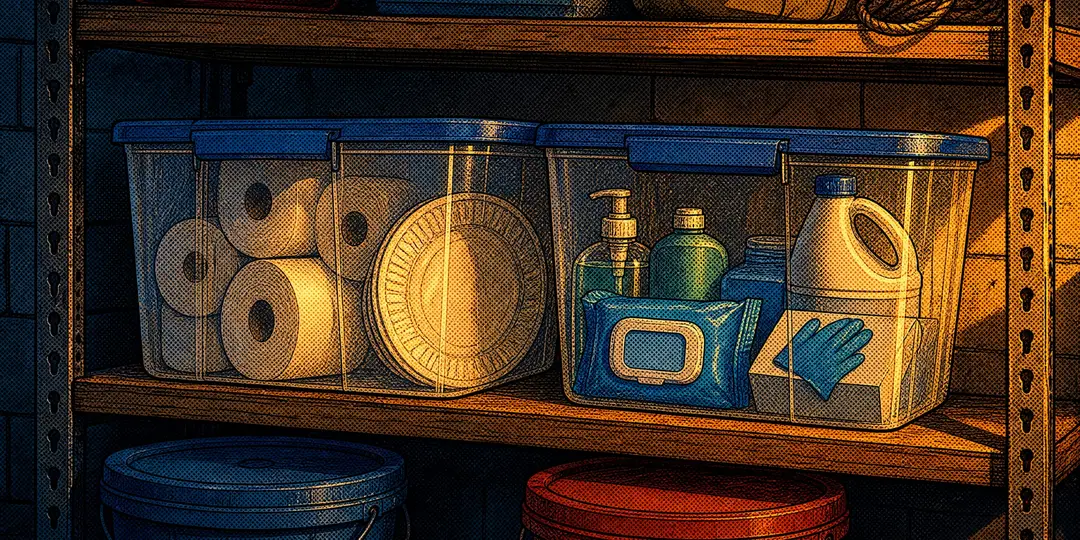
Buy the buckets, the seat lid, the bags and a bag of absorbent material; it all fits inside the buckets and lives in the garage or a closet. Add a pump bottle of soap, a large bottle of sanitizer and a pair of gloves. Write the disposal rule from your county’s website on a card and tape it inside a lid. Then check the two-week hygiene supply list for the paper, wipes and products your household goes through in fourteen days, and the wider 30 non-food items that run out first.
Quick answers
How do you make an emergency bucket toilet?
Use two lidded 5-gallon buckets, one for urine and one for solids, with a snap-on toilet seat. Line the solids bucket with a heavy bag and add a cup of sawdust, wood pellets or clumping cat litter after each use. The full twin-bucket kit costs about $25–50 and handles a family for a week.
Can you flush a toilet when the water is off?
Yes, if the drain and sewer are working. Pour about 1–2 gallons (4–8 L) of water quickly into the bowl, using gray water such as bath or dish water rather than drinking water. Stop after an earthquake or flood, or whenever your utility says so, because pouring water can push sewage back into the house.
How do you dispose of human waste after a disaster?
Tie the bag when it is half full, double-bag it, and store it in a lidded outdoor trash can in the shade, away from children, wells and vegetable beds. In many places double-bagged waste can go out with household trash once collection resumes; check your county or city emergency-management page now. Never use storm drains or streams.
Does hand sanitizer replace handwashing?
No. CDC guidance is that soap and water work best, and hand sanitizer with at least 60% alcohol is the next best option when they are not available; it doesn’t work well on visibly dirty or greasy hands. A water container with a spigot and a basin underneath makes a handwashing station that uses about a cup per wash.
What bleach ratio disinfects surfaces after a disaster?
CDC disaster guidance for hard surfaces is 1 cup of unscented household bleach per 5 gallons of water, about 3 tablespoons per gallon, after cleaning with soap first. For sanitizing dishes, use 1 tablespoon per gallon of clean water and let them air dry. Never mix bleach with ammonia or other cleaners.
Printable
Household bleach ratio card (PDF, 1 page). The surface, dish and drinking-water ratios on one card to keep with the buckets.
Picks that match the specs in this guide, from makers with a track record. We haven't tested them yet. As an Amazon Associate we earn from qualifying purchases, at no cost to you. Add what you need to my list, then send the whole list to your Amazon cart all at once. Prices and availability are accurate as of the date and time shown and are subject to change. The price and availability shown on Amazon.com at the time of purchase will apply.
Scepter
Scepter Flow Control 5-Gallon Water Jug with Spigot
A food-grade 5-gallon water can from a maker of military water containers. Stands upright to carry, lies flat to pour.
No price from Amazon right now (checked Nov 24, 7:06 a.m. CT)
Good to know: About 43 lb full. Wash it before the first fill: new jugs can smell of plastic.
Shane is a disabled US Army veteran who served as an M1A1 tank crewman, then spent his career in technology and manufacturing supply chains, keeping parts moving through COVID. He, his wife Heather and their three kids have ridden out tornadoes, the February 2021 Texas freeze, the 2026 floods in Northeast Texas and power outages that lasted days. He started Prepping Expert to give families the plain, affordable, step-by-step version he wished he'd had.
The emergency hygiene supplies a household of four gets through in fourteen days without running water, with quantities, prices and the shelf space they take.
How often to test well water: once a year for coliform bacteria, nitrates, pH and dissolved solids, and again after any flood. Plus how to check stored water.
We use Google Analytics cookies to count visits and see which guides help. No ads, nothing sold. Cookie policy








 4

Comments
No comments yet. Read the comment guidelines before posting.