


A household of four goes through a surprising amount of paper, soap and plastic bags in two weeks, and without running water it goes through more: more wipes because nobody can shower, more bags because the toilet is a bucket, more paper plates because dishwashing costs water. The list below is the emergency hygiene supplies to have on the shelf for fourteen days, sized for four people. Halve or double it for your household.
Most of it is already in the house in some quantity. The point of the list is not to buy everything new; it is to know that you have fourteen days of each, not three. Go through it with a pen, check off what’s already there, and buy the rest one or two items at a time on your regular grocery run.
What it costs and how much room it takes. Bought from scratch, the whole list is roughly $150–250 depending on brands, plus $40–60 if you need diapers. Without the buckets, it fits in two 18-gallon (68 L) totes on a garage or closet shelf. The bags, toilet paper and absorbent can live inside the toilet buckets, which saves a tote.
| Group | Cost from scratch | Usually already in the house |
|---|---|---|
| Toilet | $50–80 | Toilet paper, some bags |
| Hands and body | $40–70 (plus $40–60 for diapers) | Soap, toothpaste, deodorant |
| Cleaning and dishes | $40–70 | Bleach, dish soap, trash bags |
| Laundry | $15–30 | Detergent, a bucket |
What to rotate. Bleach loses strength over time, so date the bottle and replace it yearly. Sanitizer and wipes dry out after a few years. Everything else keeps indefinitely if it stays dry.
Why each item is here, and how the bucket toilet and handwashing station work, is in sanitation when the water’s off. For the wider list of consumables that run out before food does, see the 30 non-food items that run out first.
Emergency hygiene supplies: fourteen days, four people
Toilet
- Toilet paper — 20–24 regular rolls — the item households run short of first
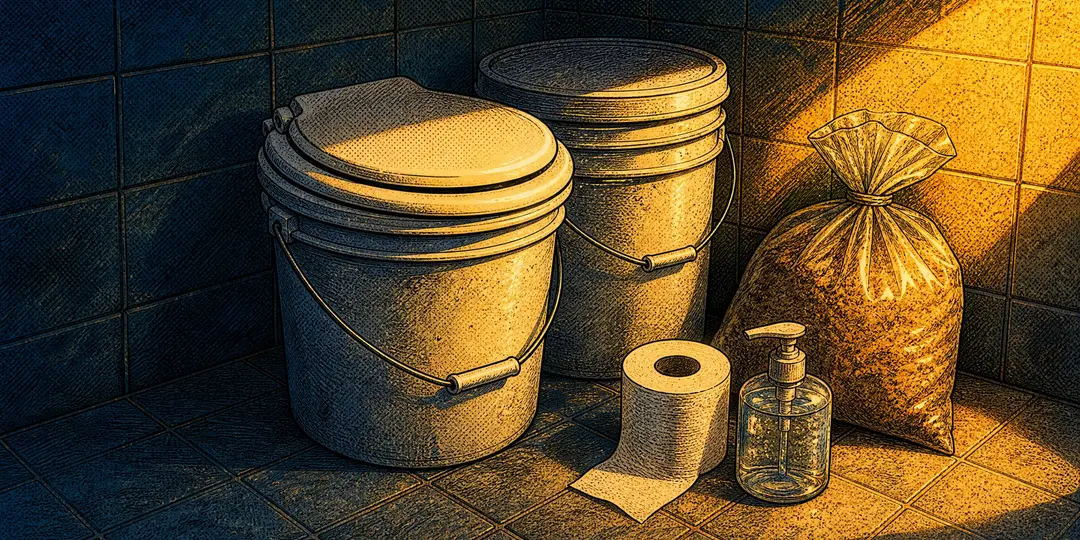
- 5-gallon buckets with tight lids — 2 — one for urine, one for solids
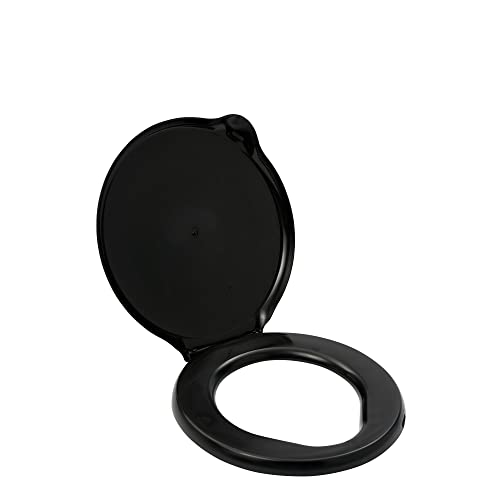
- Snap-on bucket toilet seat — 1 — fits either bucket
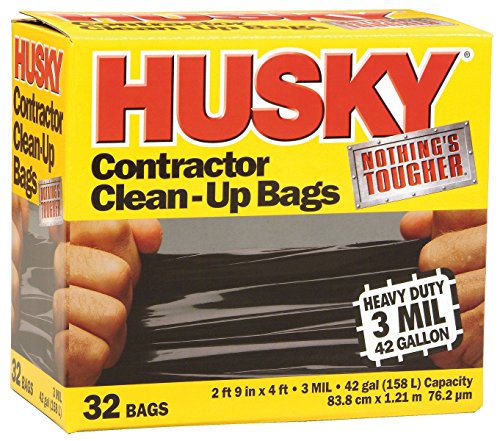
- Heavy-duty contractor or toilet-liner bags — 30–40 — a fresh liner every day or two, double-bagged
- Absorbent cover: sawdust, wood pellets or clumping cat litter — 20–40 lb (9–18 kg) — a cupful after each use stops the smell
- Lidded outdoor trash can — 1 — for bagged waste until collection resumes
Hands and body
- Liquid soap in pump bottles — 2, plus a refill — soap and water beat everything else
- Hand sanitizer, at least 60% alcohol — 2 large bottles, about 34 fl oz (1 L) total — one by the toilet, one in the kitchen
- Water container with a spigot — 1 — the handwashing station
- Body or bathing wipes — 4–6 large packs — in place of showers
- No-rinse shampoo or dry shampoo — 1–2 — morale, mostly
- Toothpaste and spare toothbrushes — 1 tube, 4 brushes — brushing uses a cup of water
- Deodorant, hand cream, lip balm — 1 each per adult — sanitizer cracks hands
- Menstrual products — one full cycle per person who needs them, plus extra — stores run out early
- Diapers and baby wipes, if needed — 100–140 diapers, 4 packs of wipes — babies use 6–10 a day
Cleaning and dishes
- Unscented regular household bleach — 1 bottle, dated — surfaces, dishes and water treatment
- Spray bottle — 1 — for a daily bleach solution
- Disposable gloves — 1 box of 100 — for emptying the toilet and cleaning
- Rubber dish gloves — 2 pairs — for laundry and dishes
- Dish soap — 1 bottle — the wash basin
- Dishwashing basins — 3 — wash, rinse, sanitize
- Paper plates — 100–150 — saves water on every meal
- Paper cups and plastic utensils — 50 each — as above
- Paper towels — 6 rolls — drying hands, cleaning up
- Kitchen trash bags — 1 box of 40 — household waste piles up when collection stops
Laundry
- Laundry detergent, small bottle or pods — enough for 4–6 bucket loads — underwear and socks can’t wait two weeks
- Bucket and a new, clean plunger — 1 each — the agitator
- Clothesline and clothespins — 1 — indoor drying
Quick answers
How much toilet paper do you need for two weeks?
A household of four needs about 20–24 regular rolls of toilet paper for two weeks. It is usually the hygiene item households run short of first, so count it rather than guessing. Without running water, also plan for 30–40 heavy-duty bags to line a bucket toilet, changed every day or two and double-bagged.
What hygiene supplies do you need if the water is off?
Without running water, a household of four for 14 days needs a bucket toilet with liner bags and absorbent cover, liquid soap and a water container with a spigot for handwashing, hand sanitizer with at least 60% alcohol, body wipes in place of showers, disposable gloves, unscented bleach, paper plates to save dishwater, and detergent for washing laundry in a bucket.
How much does a two-week hygiene supply cost?
A two-week emergency hygiene supply for four people costs roughly $150–250 bought from scratch, plus $40–60 if you need diapers. Most households already own about half of it, such as toilet paper, soap, bleach and trash bags, so the real spend is usually lower. Without the toilet buckets, the whole supply fits in two 18-gallon totes.
How long does stored bleach last?
Household bleach loses strength on the shelf, so date the bottle when you buy it and replace it every year. That matters because the same bottle may be used for disinfecting surfaces, sanitizing dishes and treating drinking water, and weakened bleach does all three less reliably. Sanitizer and wipes also dry out after a few years.
Printable
Supplies & stockpiling inventory checklist (PDF). Every line of this list with quantities and a column for what you already have.





 4

Comments
No comments yet. Read the comment guidelines before posting.