


This is the second step, not the first. If you haven’t yet learned dandelion, blackberry or raspberry and plantain, start with foraging for beginners: three plants to learn and ten to leave alone. Once those are second nature, the tables below list wild edibles by season for each US region, five or six apiece, with a confusion-risk rating so you can choose the safe ones first.
The rule doesn’t change: never eat a plant you can’t name three ways. That means its name from a field guide, at least three independent features matched against that guide, and its dangerous lookalikes named and ruled out. Neither does the framing: this is a hobby that adds a bowl of berries or a pan of greens to a meal. It is not a food plan, and your pantry is.
Wild edibles by season: how to read the tables
Season is approximate. Plants in the south of a region, or at lower elevation, can be weeks ahead of the north or the hills. Learn the plant across the year, so you recognize it in leaf before it fruits.
Confusion risk is our rating of how likely a beginner is to pick a harmful plant by mistake:
- Low: distinctive, with no dangerous lookalike a careful beginner is likely to confuse it with.
- Medium: distinctive with practice, but has a lookalike worth learning first, or needs preparation to be safe.
- High: has a seriously toxic lookalike growing in the same place at the same time. Learn it on a guided walk before picking.
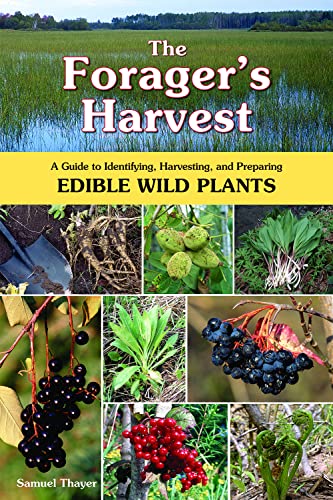
Field guide: each region names at least one guide. The Timber Press regional foraging series has a book for most US regions; the Peterson Field Guide to Edible Wild Plants covers eastern and central North America; Samuel Thayer’s books (The Forager’s Harvest, Nature’s Garden, Incredible Wild Edibles) are detailed on the north and east. Check the edition covers your area. Your state’s extension service and native plant society are often the best local source.
Mushrooms are not on any table. They need expert identification, and the deadly ones look ordinary.
Northeast
| Plant | Season | Confusion risk | Watch for |
|---|---|---|---|
| Garlic mustard | Early spring | Low | Invasive; picking it helps. Crushed leaves smell of garlic. |
| Fiddleheads (ostrich fern) | Spring | Medium | Only ostrich fern; other ferns are not edible. Must be cooked thoroughly: illness has followed undercooked fiddleheads. |
| Ramps | Spring | High | Lily of the valley and false hellebore grow alongside. Overharvested; take one leaf per plant, never the bulb. |
| Black raspberries, blackberries | Summer | Low | The aggregate fruit is the tell. |
| Wild grapes | Late summer–fall | High | Moonseed: one crescent seed per berry, no forked tendrils. |
| Black walnuts | Fall | Low | The husk stains everything; wear gloves. |
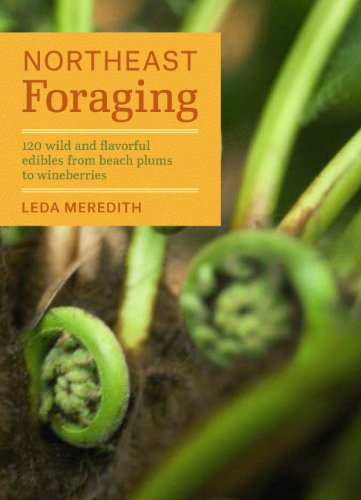
Field guide: Northeast Foraging (Timber Press), or the Peterson guide for the eastern half of the country. For fiddleheads, follow your state extension service’s cooking times.
Southeast
| Plant | Season | Confusion risk | Watch for |
|---|---|---|---|
| Chickweed | Late winter–spring | Medium | Spurges (milky sap) and scarlet pimpernel; chickweed has a single line of hairs along its stem. |
| Dewberries, blackberries | Late spring–summer | Low | Aggregate fruit; watch for snakes and fire ants in the patch. |
| Muscadines | Late summer–fall | Medium | Moonseed and the toxic berries of Virginia creeper (five leaflets). |
| Pawpaw | Late summer–fall | Low | Distinctive large fruit; some people react to it. Don’t eat the seeds or skin. |
| American persimmon | Fall, often after frost | Low | Unripe fruit is fiercely astringent. Wait until soft. |
Field guide: Southeast Foraging (Timber Press), or the Peterson guide.
Midwest
| Plant | Season | Confusion risk | Watch for |
|---|---|---|---|
| Mulberries | Early summer | Low | Unripe berries can upset stomachs; eat only ripe. |
| Black raspberries | Early summer | Low | Aggregate fruit, chalky-white canes. |
| Lamb’s quarters | Late spring–summer | Medium | Avoid plants from fertilized field edges, which can build up nitrates. Cook rather than eat in quantity raw. |
| Purslane | Summer | Medium | Spurges look similar but bleed milky sap; purslane doesn’t. |
| Elderberries | Late summer | Medium | Cook ripe berries; raw berries, stems and leaves cause illness. Don’t confuse with pokeweed or water hemlock’s flat flower heads; elder is a woody shrub. |
| Hickory nuts, black walnuts | Fall | Low | Avoid buckeyes, which look like chestnuts and are toxic. |
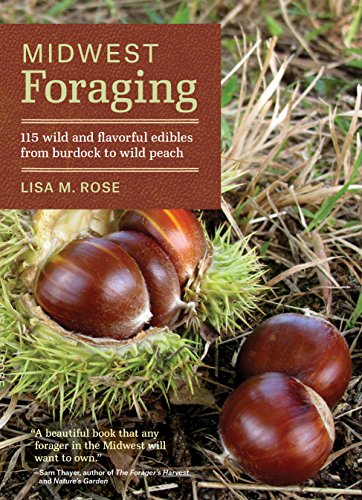
Field guide: Midwest Foraging (Timber Press); Samuel Thayer’s books are written from the upper Midwest.
Southwest
| Plant | Season | Confusion risk | Watch for |
|---|---|---|---|
| Prickly pear pads (nopales) | Spring | Low | The tiny hair-like spines (glochids) are the hazard; use tongs and burn or scrape them off. |
| Mesquite pods | Summer–fall | Low | Pick dry pods from the tree, not the ground; discard any with mold. |
| Purslane | Summer, after monsoon rain | Medium | Spurges (milky sap). |
| Prickly pear fruit (tunas) | Late summer | Low | Glochids again. Handle with tongs. |
| Pinyon nuts | Fall | Low | Crops vary a lot year to year. Check land rules for collecting. |
Know datura (jimsonweed, sacred datura) on sight. It is common in the region, has large white trumpet flowers and spiny seed pods, and is highly toxic. It is a particular risk to curious children and teenagers.
Field guide: Southwest Foraging (Timber Press).
West Coast
| Plant | Season | Confusion risk | Watch for |
|---|---|---|---|
| Miner’s lettuce | Late winter–spring | Low | Round leaf wrapped around the stem, flowers in the center. |
| Stinging nettle | Spring | Low | Gloves to pick; cooking or drying removes the sting. |
| Himalayan blackberry | Summer | Low | Invasive; pick freely where allowed. |
| Huckleberries | Summer | Medium | Learn the shrub; avoid any berry you can’t identify near it. |
| Salal berries | Late summer | Low | Dark berries on a leathery-leaved evergreen shrub. |
| Acorns | Fall | Medium (needs preparation) | Bitter tannins must be leached out with repeated soaking before eating. |
Poison hemlock and water hemlock are common in wet ditches and field edges on the West Coast. Leave every plant with umbrella-shaped white flowers alone.
Field guide: Pacific Northwest Foraging or California Foraging (both Timber Press), depending on where you are.
Mountain West
| Plant | Season | Confusion risk | Watch for |
|---|---|---|---|
| Wild onion | Spring | High | Death camas grows in the same meadows. No onion smell, no picking. |
| Wild strawberries | Early summer | Low | Mock strawberry (yellow flowers) is bland, not dangerous. |
| Serviceberries (saskatoons) | Summer | Low–medium | Learn the shrub and the five-petaled spring flowers. |
| Huckleberries | Mid–late summer | Medium | Bear country: make noise and carry bear spray where advised. |
| Chokecherries | Late summer | Medium | Pits, leaves and stems contain cyanide-forming compounds. Cook and strain the fruit; never crush the pits. |
| Rose hips | Fall–winter | Low | The hairy seeds irritate; strain them out. |
Field guide: Mountain States Foraging (Timber Press).






 4

Comments
No comments yet. Read the comment guidelines before posting.