


This emergency preparedness checklist is the page the rest of the site hangs on: forty lines that, between them, get a normal household through a week-long outage, a storm that closes the roads or a boil-water notice without it becoming a crisis. Each line is a thing you have or a thing you have done. Nothing on it needs a second property, a special skill or a big budget.
It is the checklist version of the first 30 days. If you are starting from nothing, do the 30 days and use this page to check your work. If you have already done some preparing, use it to find the gaps.
How the forty lines are grouped
The six groups follow the order things go wrong in an outage. Water first, because nothing else works without it. Food second, because you already buy it. Light, heat and news third, because they are what turn an outage into an emergency. Medical fourth, because a missing prescription is the most common way a short outage becomes serious. Documents fifth, because an evacuation is when you find out the deed was in a drawer. The plan last, because it ties the rest together.
Quantities are for a household of four for 14 days. Scale the water and food lines to your own headcount, and add pets as people for water.
How to use it
- Print it and stick it inside the pantry door.
- Check every line you can honestly check off today. If you’d have to go looking, it doesn’t count yet.
- Circle everything else. The circles are your shopping and to-do list, in roughly the right order.
- Date the top and write your three biggest local risks in the margin. Which emergencies actually apply to where you live helps with that.
- After each shopping trip, check off what you bought. Most households clear the circles in a month or two.
- Every six months, print a fresh copy and start again. Things expire, batteries die and children grow.
What is deliberately not on it
No weapons, no bunker, no year’s supply of anything, no generator, no freeze-dried buckets. Not because they are wrong for everyone, but because none of them is needed to get a normal household through the emergencies that actually happen most often, and each one is expensive enough to stall the basics. Self-defense, longer-term storage and backup power each have their own guides once the forty lines are done. Every checklist on this site shows where to go next.
The emergency preparedness checklist
Water (6)
- Drinking water stored — 56 gallons (212 L) for four people, about 1 gallon (3.8 L) per person per day for 14 days — the standard gallon-a-day rule, for two weeks; water is the first thing to run out
- Containers are food-grade and dated — one label per container — so you know when to refill
- Water stored out of sun and away from chemicals — closet, under a bed or a cool garage corner — heat and fumes spoil it
- A way to treat more water — unscented household bleach plus a dropper, or a filter — for when the stored water runs low
- Bathtub or extra containers you can fill at a warning — one plan — free water for flushing and washing
- Calendar reminder to refill — every six months — the CDC’s interval for water you bottled yourself
Food (6)
- Two weeks of shelf-stable food your household already eats — 14 days for everyone — so it rotates instead of expiring
- At least three days of it needs no cooking — cans, crackers, peanut butter, dried fruit — for the first days before the stove comes out
- Manual can opener — one, kept with the food — the electric one doesn’t work in an outage
- Special diets covered first — baby food, formula, allergy-safe food, pet food — these are hardest to find in a hurry
- Old stock at the front, new at the back — every shelf — the rotation is the plan
- Calendar reminder to rotate — every six months — so nothing goes out of date
Light, heat and news (8)
- Headlamp for each person — one each, plus batteries — hands-free light is the one you use
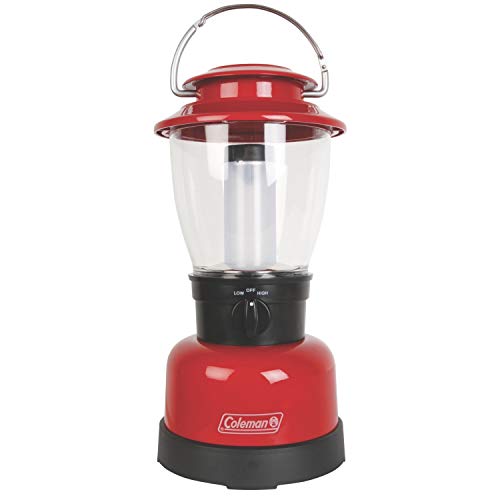
- One lantern for the room you gather in — one — so the whole room isn’t in the dark; a week without lights compares the options
- Spare batteries for everything — at least one full change — and in as few sizes as you can manage
- Battery or hand-crank radio with weather alerts — one — to hear evacuation orders when phones are down
- Power bank — enough to charge every phone twice — for news, calls and maps
- A way to cook outdoors — grill or camp stove with spare fuel — for hot food and boiling water; never indoors
- A way to keep one room warm — blankets or sleeping bags for everyone, plus a plan for which room — heaters fail when the grid does
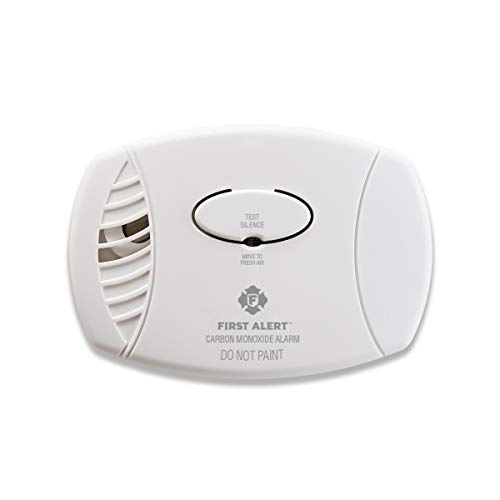
- Working smoke and carbon monoxide alarms — on every level — outages bring generators, stoves and candles
Medical (6)
- First aid kit for small injuries — one, restocked — scrapes, burns and headaches are the common ones
- A bleeding-control kit, and someone trained to use it — one kit, one class — for the rare serious injury
- Prescription medicines — at least 7 days on hand, ideally more — the most common way an outage turns serious
- Written list of each person’s medicines, doses and allergies — one per person — for a pharmacist or an ER
- Plan for anything that needs power or refrigeration — CPAP, oxygen, insulin — decided before the outage, not during
- Glasses, hearing-aid batteries, contact lens supplies — a spare set — easy to forget, hard to replace
Documents (7)
- Photos or scans of IDs and passports — every person — needed for almost everything after a disaster
- Insurance policies and the agent’s number — home, car, health — claims start faster with them
- Deed or lease, vehicle titles — copies — proof of where you live and what you own
- Medical cards and prescription details — every person — for refills away from home
- A recent photo of each family member and pet — one each — if anyone is separated
- Digital copies somewhere you can reach from a phone — cloud drive or encrypted USB — in case the paper is lost
- One paper set in a zip bag in the home kit — one — for when phones and networks are down
The plan (7)
- Your three biggest local risks written down — one list — the filter for everything else
- Meeting point outside the house — one — for a fire
- Meeting point outside the neighborhood — one — if you can’t get home
- Out-of-town contact everyone texts — one person — texts often get through when local calls don’t
- Contact card in every wallet and backpack — one each — phones die and numbers aren’t memorized
- Everyone knows where the home kit is and how to shut off water, power and gas — the whole household — and that gas stays off until the utility restores it
- A small amount of cash — small bills — card readers stop working in outages
Quick answers
What should be on an emergency preparedness checklist?
A household emergency preparedness checklist covers six groups: water, food, light, heat and news, medical, documents, and the plan. For a family of four for 14 days, that means 56 gallons of water, two weeks of food you already eat, a headlamp each, a weather radio, at least 7 days of prescriptions, copies of key documents, two meeting points and an out-of-town contact.
What should I prepare first for an emergency?
Water comes first, because nothing else works without it: about one gallon per person per day, aiming for two weeks. After that, a household readiness checklist runs food you already eat, then light, heat and news, then medical supplies and prescriptions, then documents, then the family plan, which is roughly the order things go wrong in an outage.
How often should I update my emergency checklist?
Redo the household emergency checklist every six months with a fresh printed copy, because food and medicine expire, batteries die and children outgrow clothes. The spring and fall clock changes are easy dates. Check off what you honestly have today, circle the rest and date the top; the circles become your shopping and to-do list.
Do I need a generator to be prepared for emergencies?
No. A generator is not needed to get a normal household through the emergencies that happen most often, such as a week-long outage, a storm that closes the roads or a boil-water notice. Headlamps, a lantern, spare batteries, a weather radio and a power bank that charges every phone twice cover the basics; backup power can come later.
Printable
The one-page household readiness checklist (PDF, 1 page). The forty lines above with a box to check, a line for the date and room in the margin for your local risks.





 4


Comments
No comments yet. Read the comment guidelines before posting.