


If you do one course this year, make it CERT training. The Community Emergency Response Team program teaches ordinary people the basic disaster-response skills that fire departments wish everyone had: how to treat the injured in the first hour, put out a small fire safely, turn off utilities, search a damaged building without becoming a casualty, and organize a group of volunteers so they help instead of getting in the way. It takes about 20 hours, it is usually free, and it is taught by the people who respond to emergencies for a living.
What CERT training is, and who runs it
CERT is a national program supported by FEMA, but it is delivered locally. Your fire department, county emergency management office, city or sometimes a college or hospital runs the course, using a standard FEMA curriculum adapted to local hazards. The idea is simple: in a large disaster, professional responders will be overwhelmed for hours or days, and the first help people get comes from their neighbors. CERT makes those neighbors safer and more useful.
Teams vary a lot from place to place. Some are active, with monthly meetings, drills and roles at public events; some exist mainly to run the course. Either way, the training is yours to keep.
The curriculum
The Basic Training course follows a standard set of units. The names shift slightly between versions, but they cover:
| Unit | What you learn | What it changes at home |
|---|---|---|
| Disaster preparedness | Local hazards, household preparation, the role of CERT volunteers | A check of your own kit and plan against the local hazard list |
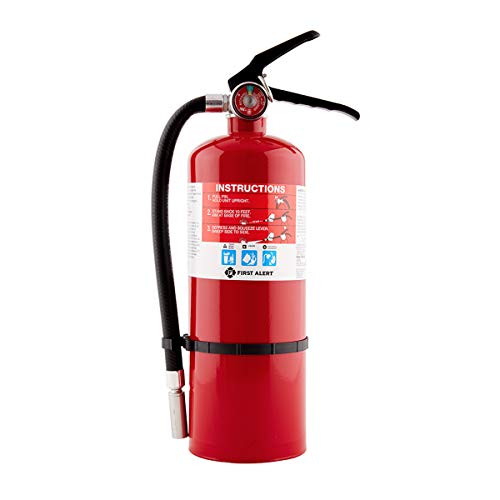
| Fire safety and utility controls | How fires start and spread, using an extinguisher, when not to, shutting off gas, water and electricity | You know where your shut-offs are and how to use them |
| Disaster medical operations (two parts) | Triage, treating life-threatening bleeding and shock, head-to-toe assessment, setting up a treatment area, sanitation | A better first aid kit, and the confidence to use it |
| Light search and rescue | Sizing up a damaged building, safe search patterns, lifting and carrying, when to stay out | You know what is and isn’t safe to attempt |
| CERT organization | Team structure based on the Incident Command System; documenting, communicating, staying accountable | A way to organize a street after a storm |
| Disaster psychology | Stress reactions in survivors and responders, how to help, how to look after yourself | Better at supporting your own family after a bad event |
| Terrorism and CERT | Recognizing suspicious situations and what volunteers should and shouldn’t do | Mostly: report and stay back |
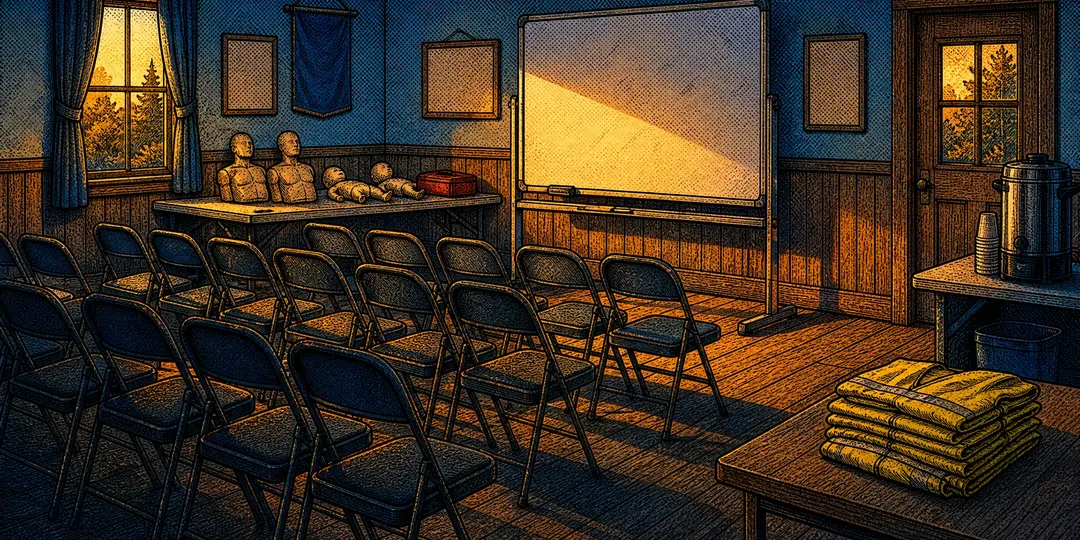
| Course review and disaster simulation | A practical exercise using everything above, often with moulaged “casualties” | You’ve done it once, under mild pressure |
The final simulation is the part most people remember. You put on the helmet and vest, walk into a staged scene with smoke, noise and volunteers playing injured people, and run triage and search as a team. It is safe, a little chaotic, and memorable in a way that reading never is.
Hours, cost and format
Hours. Roughly 20 hours of classroom and hands-on training. Programs schedule it differently: one evening a week for seven or eight weeks, or two or three full weekend days. Hence the title: for most people it is a weekend or two.
Cost. Usually free. Many programs also give graduates a basic kit: helmet, vest, gloves, a flashlight and a small bag. A few charge a modest fee for materials. Check with your local program.
Online option. FEMA’s Emergency Management Institute offers a free online course, IS-317, Introduction to Community Emergency Response Teams, which takes around six to eight hours. Some local programs accept it as the classroom portion of a hybrid course, with in-person sessions for the hands-on skills. On its own it gives you the theory, not the practice.
Who can take it. Generally adults; some programs accept teenagers, and there are school and campus versions. No prior experience is needed, and the physical demands are modest: if you can lift a light stretcher with three other people and kneel to help someone, you can do it. Programs make adjustments for people who can’t.
How to find a course
- Ready.gov’s CERT page has a search for local programs by state and zip code.
- Your county or city emergency management office website usually lists CERT courses and dates.
- Your local fire department will know, even if it doesn’t run the course itself.
Courses fill up, and some areas only run one or two a year, so sign up for notifications if the next one is months away. In the meantime, IS-317 is a good start.



 4

Comments
No comments yet. Read the comment guidelines before posting.