


Of the most important survival skills, the one a household uses most is first aid, and it isn’t close. Next come cooking with no power, making water safe, and keeping a house from catching fire while the lights are out. Fire by ferro rod, knots and shelter-building are real skills worth having, but for a family in a suburb they come last because they are used least. This guide ranks ten skills by how often they actually get used, and gives the cheapest honest way to learn each one.
The rule for the whole list: a skill counts when you have done it once, with your own gear, under mild pressure. Reading about it doesn’t count. Watching a video counts as preparation for doing it.
The most important survival skills, in order
The ranking comes from the emergencies most households actually face, which are covered in which emergencies actually apply to where you live: a multi-day outage, a storm that closes roads, a boil-water notice, a house fire, and the everyday injuries that happen with or without a disaster. Each skill is placed by how many of those it serves.
| # | Skill | When it gets used | Time to basic competence | Cheapest good way to learn |
|---|---|---|---|---|
| 1 | First aid | Every year, emergency or not | One day, plus a one-hour bleeding class | Red Cross or similar course; free Stop the Bleed |
| 2 | Cooking without power | Every outage longer than a day | Two evenings | Your own stove or grill, in the yard |
| 3 | Water treatment | Boil-water notices, outages | One afternoon | CDC and EPA guidance, a pot and bleach |
| 4 | Fire safety | Every outage with candles, stoves or generators | One evening | Local fire department; a drill at home |
| 5 | Basic home repairs and shut-offs | Storms, freezes, leaks | A Saturday | Your own house, a utility’s safety page |
| 6 | Navigation without a phone | Evacuations, road closures, hikes | Two walks | A paper road atlas and a $20–40 compass |
| 7 | Radio | When cell networks are down or jammed | An evening, or a month for a license | Weather radio; GMRS ($35 license); ham exam |
| 8 | Fire starting | Camping, wood stoves, outdoor cooking | A few practice sessions | A fire pit or grill and a box of matches |
| 9 | Knots | Tarps, loads, tie-downs | An hour, then repetition | A length of rope on the couch |
| 10 | Shelter | Camping, stranded outdoors | One overnight | A tarp in the backyard |
The class prices vary by region and format; check your local chapter or fire department before budgeting.
1–4: the skills you will use this year
First aid
What competence looks like: you can recognize and respond to bleeding, burns, choking, a sprain and someone who has collapsed, and you know when to stop and call 911. How long: a standard first aid and CPR course is a half-day to a day. A Stop the Bleed class takes about an hour and is often free through hospitals and fire departments.
This is first because it gets used whether or not anything else goes wrong: kitchen cuts, a child off a bike, an older relative who falls. In a storm, it matters more, because the ambulance takes longer. Wilderness and home first aid covers what to learn beyond the basic course, and Stop the Bleed: the first three minutes covers the one skill where minutes count. Online videos are fine for a refresher, never as the first lesson; you need someone to watch you do compressions and tell you they are too shallow.
Cooking without power
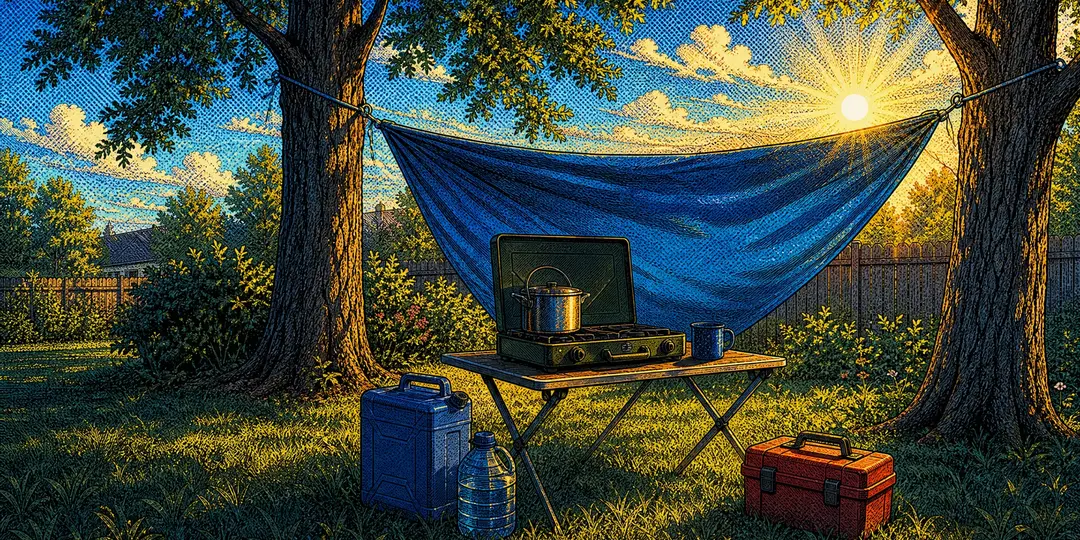
What competence looks like: you can make a hot meal and boil water for four people using the stove or grill you own, outdoors, without checking instructions. How long: two evenings.
This is a skill, not a purchase. Plenty of households own a camp stove still in its box with a canister that doesn’t fit. Cook dinner on it twice this month. Cooking when the power’s out has the methods, including the no-cook ones for the first day.
Water treatment
What competence looks like: you can make tap or clear surface water safe three ways without looking anything up. Bring it to a rolling boil for one minute (three minutes above 6,500 feet, or about 2,000 m), which is the CDC’s guidance. Treat it with plain, unscented household bleach at the dose on the label or the CDC’s chart, then wait 30 minutes. Or run it through a filter you have actually used. How long: an afternoon.
Water storage 101 covers storing it in the first place, and a bucket water filter for under $40 is the cheapest filter build worth doing.
Fire safety
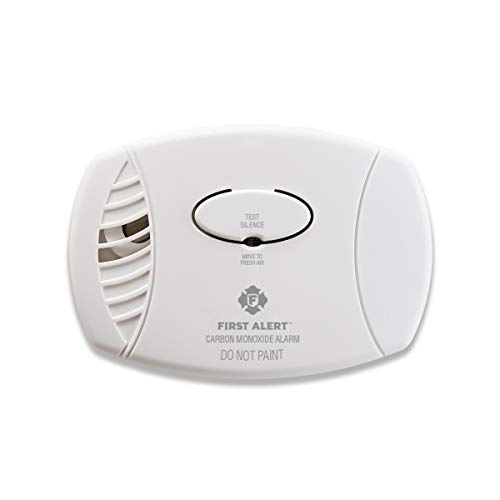
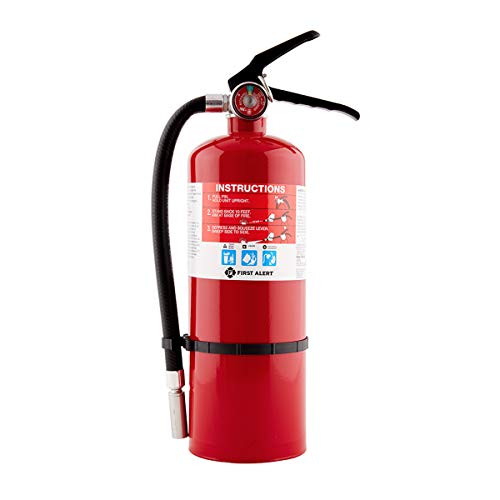
What competence looks like: every adult can use the extinguisher (pull, aim at the base, squeeze, sweep), everyone knows two ways out of every bedroom and where the meeting point is, and someone checks the smoke and carbon monoxide alarms monthly. How long: one evening, including a drill.
Outages cause house fires and carbon monoxide poisonings because people bring candles, camp stoves and generators into situations they don’t normally face. A generator runs outdoors, well away from doors and windows (the CDC says at least 20 feet, or 6 m). A camp stove never runs in a closed room. Many fire departments will check your alarms or run a home safety visit for free if you ask.
5–7: the skills that make an outage shorter
Basic repairs and shut-offs
What competence looks like: you can find and close the main water valve in under a minute, you know which breaker is which, and you know where the gas meter is and the rule for it: if you smell gas, get everyone out and call the utility from outside; only shut it off if you can do so safely, and only the utility turns it back on. Add patching a leak with tape and a tarp, and resetting a tripped GFCI outlet. How long: one Saturday walking around your own house with a flashlight and a label maker.
Navigation without a phone
What competence looks like: you can plan a route out of town on a paper road map, with two alternatives that avoid low ground, and you can take a compass bearing and follow it in a park. How long: two walks. Compass and map for people who rely on their phone is written for exactly this.
Radio
What competence looks like: you can find the NOAA weather channel on your battery radio without the manual, and every family member can use a handheld radio to reach another one. How long: an evening for a weather radio and FRS handhelds. A GMRS license is a $35 FCC fee, no exam, and covers the whole family. A ham license takes study and a short exam. GMRS, ham and Meshtastic for a family has the order.
8–10: the outdoor skills, and why they come last
These three are the ones most survival content leads with: fire, knots and shelter. They are genuinely useful, they are satisfying to learn with kids, and they are the least likely to be needed by a household whose emergency happens at home. A house is a shelter. A kitchen is a fire. In a suburban outage, the outdoor skills mostly get used at a campsite.
That’s not an argument against them. It is an argument for doing them after the first seven, and for treating them as weekend fun rather than the core of a plan.
Fire starting
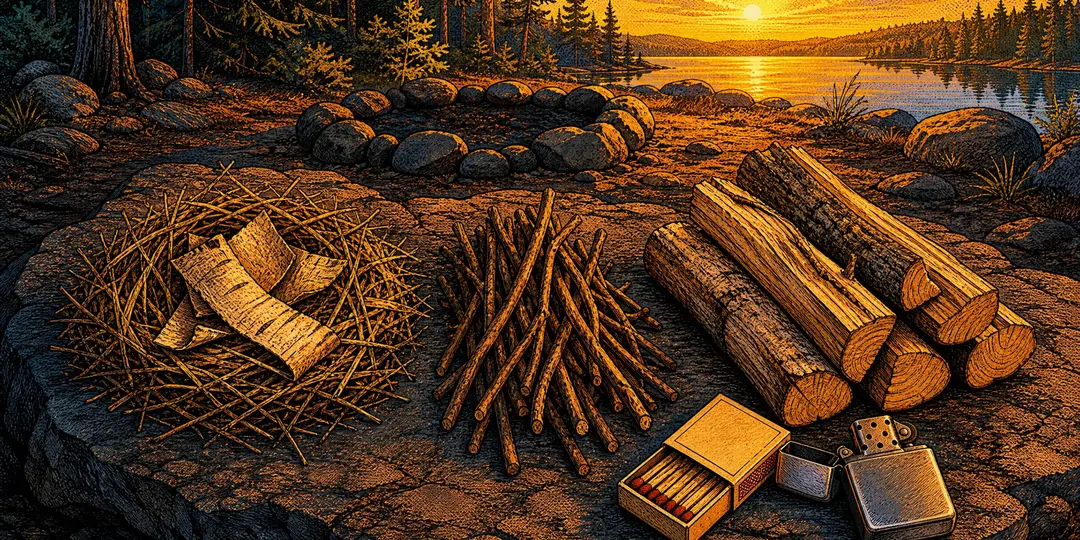
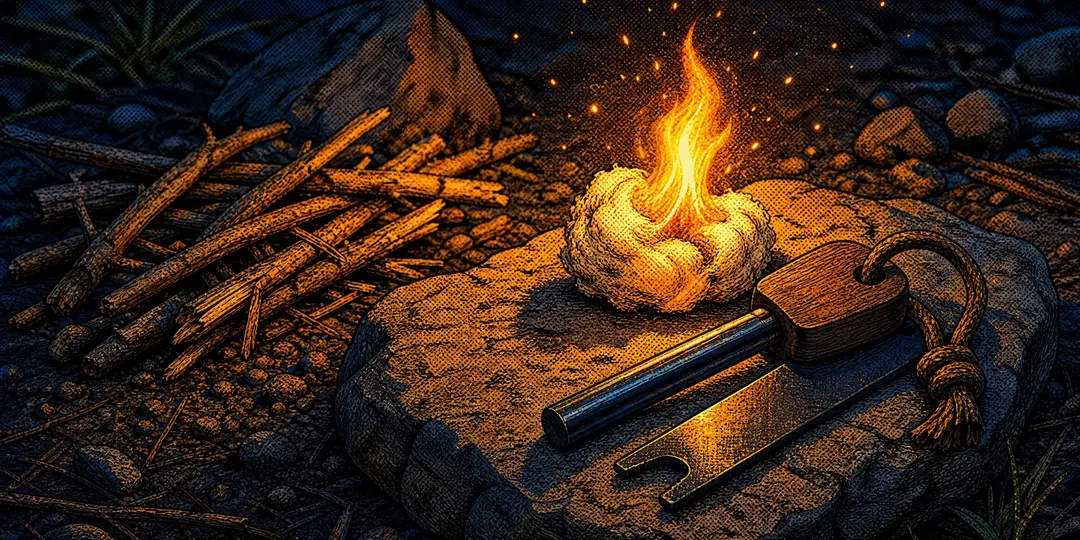
What competence looks like: you can light a fire with matches in damp conditions using tinder and kindling you gathered yourself, and then put it out properly. Ferro rods come after that. Fire starting from scratch is the guide.
Knots
What competence looks like: you can tie a bowline, a trucker’s hitch, a clove hitch and a taut-line hitch without looking, and untie them after a load. How long: an hour to learn, then a few minutes a week for a month. Six knots that cover 95% of what you’ll ever tie has the short list.
Shelter
What competence looks like: you can pitch a tarp to shed rain in under fifteen minutes and sleep under it one night without being cold. How long: one backyard overnight. Tarp shelters: five pitches covers the pitches, and wilderness survival basics covers the case where you are actually stuck outdoors.



 4
Comments
No comments yet. Read the comment guidelines before posting.