A living room by lantern light during a power outage, blankets and sleeping bags on the sofa, a battery radio and a stack of board games on the coffee table, curtains drawn.
Sheltering in place through a week-long outage: what it's actually like
Day by day through a week-long power outage at home: what runs out when, what the five basics do at each stage, and the two mistakes that make it dangerous.
By day three most outages look like this: one room, one lantern, the radio on the hour, and the games nobody played since last winter.
A week-long power outage in a normal house is mostly boring, sometimes uncomfortable and, for a stocked household, rarely dangerous. What makes it hard is that the problems arrive in a predictable order, and most people meet each one for the first time on the day it arrives. This guide walks through that order, from the moment the lights go out to the evening they come back, so you can meet them in advance.
The household here is two adults and two children in a three-bedroom house on town water, with the supplies from the first 30 days: two weeks of water and food, headlamps, a camp stove, a radio and a power bank. The cause doesn’t matter much. As the grid-down guide explains, real outages come from ice, wind, heat and equipment, and they look the same from inside the house.
Hour 0 to day 1: the fridge and the phones
The first hour. Check that it’s not just your house: look at the street, check the breaker panel, report it to the utility from a phone. Switch on the radio and find the local station. Turn off or unplug electronics and anything that heats, so the surge when power returns doesn’t damage them or start a fire; leave one lamp switched on so you know when it’s back.
The fridge clock. USDA guidance is that a closed refrigerator keeps food safe for about 4 hours, a full freezer for about 48 hours and a half-full one for about 24. So the rule for day 1 is: don’t open the fridge to look. Plan the next meal, open it once, take everything out you need, close it. Eat the perishables first, in the order milk and leftovers, then meat, then cheese and vegetables. If you have a cooler and ice, move the next day’s food into it early.
The phones. Every phone goes into low-power mode immediately and is charged from the power bank before it drops below half, not after. Pick one phone to stay on for news and texts; the others go off or into airplane mode. Texts get through congested networks better than calls.
By the evening of day 1 the house is dark and quiet, the headlamps are out, and dinner is the last of the fresh food on the camp stove outside the back door. It feels like an adventure, especially to the children.
Day 2: water and the toilet
Day 2 is when the house stops being a camping trip. If you’re on town water, the taps often keep running for a while, but pressure can drop if the treatment plant or pumping stations lose power, and a boil-water notice is common. If you’re on a well, the water stopped when the power did, because the pump is electric.
This is where the stored water earns its place: one gallon (3.8 L) per person per day for drinking, cooking and a minimal wash. Fill the bathtub or a few buckets while the taps still run, for flushing, not drinking.
The toilet. As long as the sewer works, a toilet flushes if you pour a bucket of water (about a gallon or two) briskly into the bowl. That is where the bathtub water goes. If the sewer backs up, or officials tell you not to flush, you move to the bucket toilet. Sanitation when the water’s off covers setting one up, and it is worth reading before day 2, not during it.
Food on day 2 shifts from the fridge to the pantry: the last of the cheese and vegetables, then cans. Cooking when the power’s out covers the stove, the grill and the meals that need no heat at all.
Day 2: the bathtub fills while the taps still run. That water flushes the toilet; the stored jugs are for drinking.
Day 3: morale and the neighbors
By day 3 the supplies are fine and the people are tired. The children are bored, the adults are sleeping badly, and every small thing is a little harder. This is the day to impose some structure.
Fixed meals at fixed times. It anchors the day and keeps the pantry from being grazed.
The radio on the hour. Listen to the news at set times, not constantly. A restoration estimate, even a vague one, helps more than anything else.
One job each. Children can fetch water, keep the lantern charged, or keep the log of what has been eaten.
Daylight is for chores. Wash, cook and tidy while it’s light; evenings are for the lantern and a game.
Day 3 is also when you should knock on doors. Check on the older neighbor, the one with a baby, the one on oxygen. Swap what you have to spare. A street that talks to each other on day 3 is far better off on day 6, and it is the most useful hour you’ll spend all week.
Days 4 to 7: routine, heat or cool, and the news
By day 4 the outage has a shape. The fridge is empty and propped open to keep it from smelling, the freezer food has been cooked, eaten or thrown away, the household is eating from the pantry, and the routine runs itself. The questions now are comfort and information.
The cold version
In winter, heat is the whole problem. Pick one room, ideally on the sunny side and away from the outside walls, and move everyone into it. Close the doors, hang a blanket over the doorway, cover the windows at night, and sleep in it together with sleeping bags or extra blankets. Wear hats indoors. A room held at 55 °F (13 °C) with four people in it is uncomfortable but safe.
Watch the pipes. If the house drops near freezing, let a tap drip or, if the outage will clearly run on, shut off the main and drain the lines. Never heat the room with a gas oven, a grill or a camp stove; they produce carbon monoxide. If you can’t keep the room safe for the oldest or youngest person, question two of the decision tree applies: it is time to go to a warming center or a relative.
The hot version
In summer, the risk is heat illness, and it comes for older people and babies first. Close the curtains on the sunny side by mid-morning, open windows at night if it is cooler outside, and live on the lowest floor. Wet cloths on the neck and wrists help. Drink before you are thirsty; the water ration goes up, not down, in heat. Know where the nearest cooling center or library is, and take anyone vulnerable there during the afternoon if the house gets above about 90 °F (32 °C).
The news
By the middle of the week, information matters more than supplies. The utility will usually publish restoration estimates by area; get them by radio or the one phone that’s on. If the estimate runs past your water and food, that is the moment to make a calm plan to leave, not on day 10 when it has run out.
The two mistakes in a week-long power outage
Most outages injure people in one of two ways, and both are avoidable.
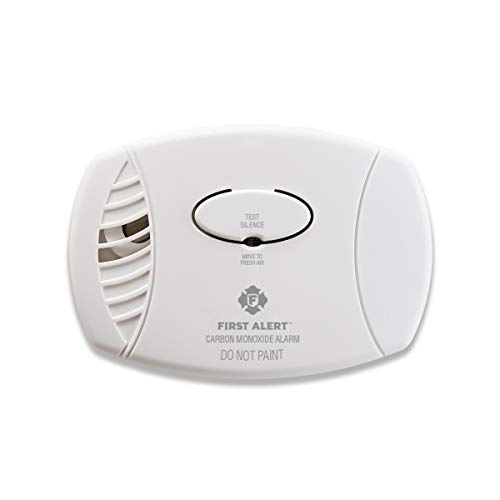
Running a generator indoors. Carbon monoxide from a generator in a garage, basement or porch kills people in nearly every major outage. CDC guidance is to run generators outside only, at least 20 feet (6 m) from any window, door or vent, and never in an attached garage even with the door open. Put a battery carbon monoxide alarm in the sleeping room. Backup power for a normal house covers the safe setup.
Driving to look. Getting in the car to see how bad it is, to find an open store or to check on the office. Downed lines, flooded underpasses, dead traffic lights and fallen trees cause crashes, and the fuel you burn is fuel you may need if you have to leave. Stay put unless you have a destination and a reason.
"The supplies last the week. The two things that end outages badly are a generator in the garage and a drive to look."
The week, in one sentence
Restoration: the evening the lights come back
Power usually returns in stages and sometimes flickers off again, so wait a few minutes before turning things back on, one at a time. Then:
Check the food. Anything from the fridge that sat above 40 °F (4 °C) for more than two hours goes in the trash. Freezer food that still has ice crystals can usually be refrozen. When in doubt, throw it out.
Check the water. If there was a boil-water notice, it stays in force until officials lift it.
Restock in the next grocery run. Replace the cans, water and batteries you used, and refill the power bank and the propane.
Write down what failed. The flashlight that died, the meal nobody would eat, the night that was colder than expected. That list is next year’s shopping list.
Then put the lantern back in the cabinet. A week-long outage in a prepared house is mostly a week of slightly worse sleep and better board games, and that is the whole point of the preparation.
Quick answers
How long does food last in the fridge without power?
A closed refrigerator keeps food safe for about 4 hours without power, according to USDA guidance. A full freezer holds for about 48 hours and a half-full one for about 24. Open the fridge as little as possible, eat the perishables first, and throw out anything that sat above 40 °F (4 °C) for more than two hours.
Can you flush the toilet when the power is out?
Yes, as long as the sewer still works: pour a gallon or two of water briskly into the bowl and the toilet flushes. Fill the bathtub or buckets while the taps still run and use that water for flushing, not drinking. If the sewer backs up or officials say not to flush, switch to a bucket toilet.
How do you keep a house warm during a winter power outage?
Move everyone into one room, ideally on the sunny side and away from outside walls, close the doors, hang a blanket over the doorway and cover the windows at night. Sleep together under sleeping bags and wear hats indoors. Never heat the room with a gas oven, grill or camp stove, because they produce carbon monoxide.
How far from the house should a generator run?
CDC guidance is to run a generator outdoors only, at least 20 feet (6 m) from any window, door or vent, and never in an attached garage, basement or porch, even with the door open. Carbon monoxide from generators kills people in nearly every major outage, so put a battery carbon monoxide alarm in the room where people sleep.
Printable
The one-page household readiness checklist (PDF, 1 page). The water, food, light, heat and news lines that carry a household through a week like this one.
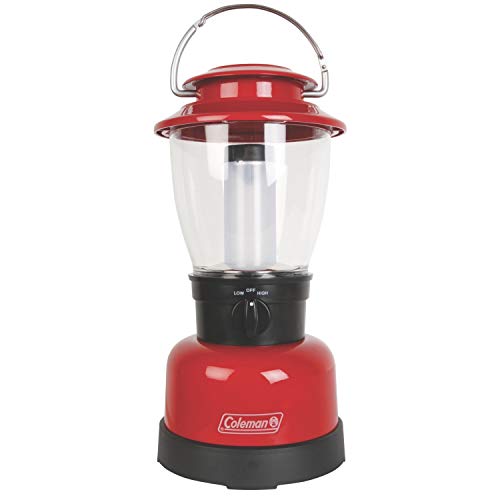
Picks that match the specs in this guide, from makers with a track record. We haven't tested them yet. As an Amazon Associate we earn from qualifying purchases, at no cost to you. Add what you need to my list, then send the whole list to your Amazon cart all at once. Prices and availability are accurate as of the date and time shown and are subject to change. The price and availability shown on Amazon.com at the time of purchase will apply.
Coleman
Coleman 400L LED Camping Lantern
400 lumens on D batteries, water-resistant, the room light for a multi-day outage.
Shane is a disabled US Army veteran who served as an M1A1 tank crewman, then spent his career in technology and manufacturing supply chains, keeping parts moving through COVID. He, his wife Heather and their three kids have ridden out tornadoes, the February 2021 Texas freeze, the 2026 floods in Northeast Texas and power outages that lasted days. He started Prepping Expert to give families the plain, affordable, step-by-step version he wished he'd had.
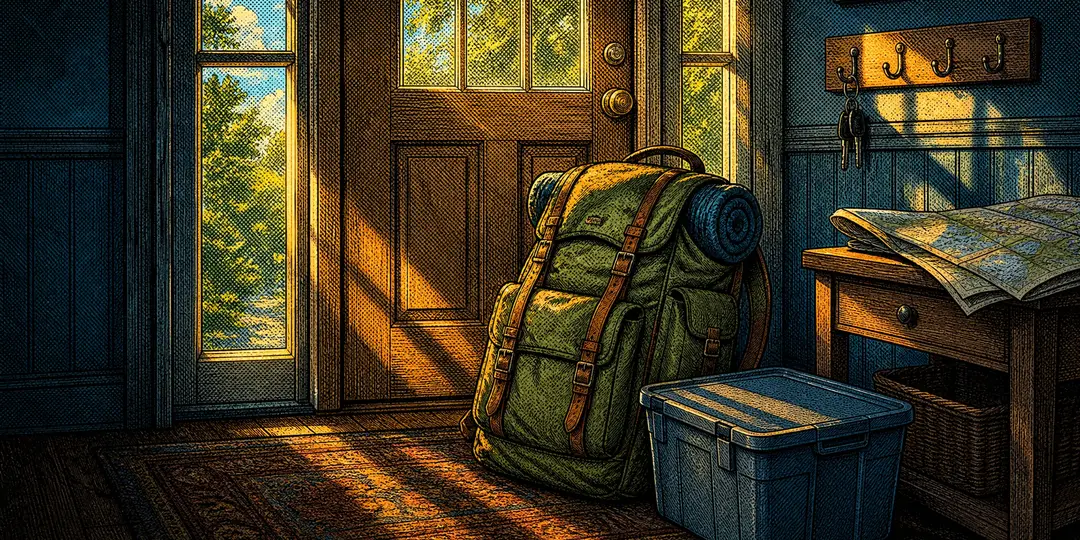
Bug in vs bug out: staying home is the right call most of the time. Four questions settle the rest: the order, the house, the route and where you’d go.
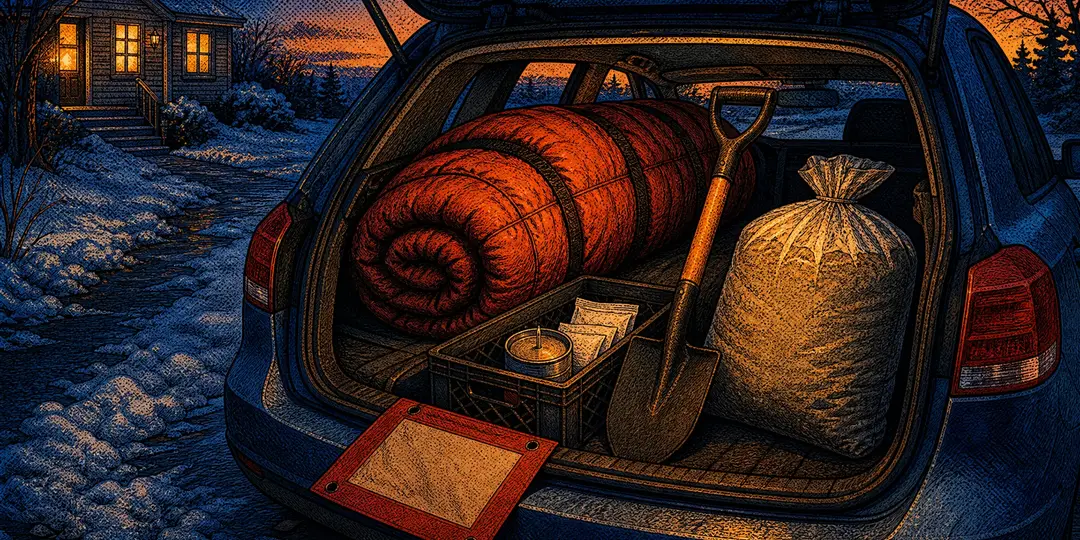
The winter car emergency kit, item by item: what to carry from November to March, how many of each, why, and what the whole crate costs, about $120–250.
We use Google Analytics cookies to count visits and see which guides help. No ads, nothing sold. Cookie policy









 4

Comments
No comments yet. Read the comment guidelines before posting.