Prepper Black Friday Deals
The back of a two-story suburban house with solar panels on the roof, a gray battery cabinet on the side wall, a green rain barrel under a downspout and a small woodpile against the fence.
Off-grid living

Partial off-grid: solar, wood and water for a suburban house

Partial off-grid for a suburban house: a solar battery, a wood stove and a rain barrel, what each costs and what it actually does when the power goes out.

Shane RichardOct 16, 20267 min readGuide
Partial off-grid on a normal lot: panels, a battery, a barrel and a woodpile. The grid stays connected and does most of the work.

Partial off-grid means keeping your utility connections and adding three things that keep working when they fail: a battery behind your solar (or a generator), a heat source that needs no electricity, and water you collect yourself for everything except drinking. For a suburban house the full set costs roughly $15,000–35,000 if you add a battery to existing solar (more if you are buying the panels too), or $3,000–8,000 if you skip the panels and rely on a generator, a wood stove and barrels. It covers the outages that actually happen, which last hours to days, not months.

The catch most people discover too late: the solar panels already on half the roofs in the country do nothing in a blackout. This guide starts there.

Why your solar panels go dark in an outage

A standard grid-tied solar system is required to shut down when the grid goes down. Utility interconnection rules and inverter standards require it so that panels don’t push power into lines that line workers believe are dead. So when the street goes dark, a house with a roof full of panels and no battery goes dark with it, even at noon.

There are two ways around it:

  • A battery with a backup gateway. The battery and its switch disconnect the house from the grid (this is called islanding) and run chosen circuits from the battery, recharged by the panels during the day. This is the common route.
  • An inverter with a sunlight-only backup outlet. Some string inverters offer a single outlet that works in daylight during an outage. It is limited, usually up to about 2,000 watts and only while the sun is up, but it can charge phones and run a fridge in shifts. Check whether yours has one; many owners don’t know.

Adding a battery: cost and what it runs

A home battery of 10–15 kWh typically costs $10,000–20,000 installed, including the gateway or transfer equipment and permits. That is enough to run the fridge, a freezer, lights, internet, phones, a furnace blower or a well pump, and a few outlets for a day or two without sun, and indefinitely if the panels are producing and you are careful. It will not run central air conditioning, an electric range and an electric dryer at the same time.

OptionInstalled costRuns in an outageTrade-off
Grid-tied solar, no battery$15,000–30,000 for a typical arrayNothing (or one daylight outlet on some inverters)Saves on bills; no outage benefit
Battery added to existing solar$10,000–20,000Key circuits for 1–2 days, longer with sunExpensive; battery replaced in 10–15 years
Portable power station$300–2,000Fridge in shifts, lights, phones, CPAPNo wiring; small capacity
Portable generator + inlet and interlock$1,200–3,500 with electricianSelected circuits as long as fuel lastsNoise, fuel storage, carbon monoxide risk

The federal 30% credit for homeowner-bought solar and batteries ended after 2025, which made the battery decision harder on price alone. Some states and utilities still offer battery rebates or pay you to let them draw on it at peak times; check your state energy office and your utility’s website before you buy. If the main goal is getting through outages rather than cutting bills, a generator with a properly installed inlet, or a power station, gives more outage hours per dollar. Backup power for a normal house compares all three in detail.

Wood heat: permits, insurance, chimney, fuel

A wood stove is the one heat source in a suburban house that needs no electricity, no gas line and no fuel delivery during a storm. A modern EPA-certified stove will keep one or two rooms comfortable, which in a winter outage is the whole plan: everyone in one room, doors closed, stove going.

What it takes:

  • A permit and an inspection. Most building departments require one for a new stove or chimney. The installer usually pulls it. Some cities and air districts restrict wood burning on poor-air days or restrict new installations entirely; check before you buy.
  • Your insurer’s agreement. Tell them before you install. Some raise premiums for wood heat; some require a professional install certificate. An uninsured stove fire is the worst outcome on this page.
  • A chimney that is right for the stove. A lined masonry chimney or a listed insulated metal chimney, installed to the manufacturer’s clearances. Have it swept and inspected every year, as the NFPA recommends, because creosote fires start in neglected chimneys.
  • Fuel. Two or three cords of seasoned hardwood will cover outages and occasional use for a season or two. Stack it off the ground, covered on top, open on the sides, away from the house wall.
  • Alarms. Working smoke and carbon monoxide alarms on every floor, tested monthly.

Installed, a stove with a new chimney typically runs $4,000–10,000. An insert in an existing fireplace is often cheaper and far better than an open fireplace, which pulls warm air up the chimney.

A black cast-iron wood stove on a stone hearth in the corner of a family room, with a steel stovepipe, a log rack and a carbon monoxide alarm on the wall.
The stove corner: hearth to code, pipe to the manufacturer’s clearances, and a carbon monoxide alarm within sight of it.

Water: a barrel for the garden, a well where allowed

Rain barrels are the cheapest part of the plan: $50–150 for a barrel and diverter, an afternoon to install. A 1,000-square-foot roof sheds about 600 gallons per inch of rain, so a 55-gallon barrel fills in a light shower. In an outage, rainwater is excellent for flushing toilets (a bucket into the bowl), washing and the garden. It is not drinking water without treatment. Rainwater collection: barrels, first-flush and making it drinkable has the setup and the treatment steps.

Collection is legal across the US, but a few states limit how much or how it’s used, and some HOAs restrict visible barrels. Check rainwater collection laws by state and your HOA rules first.

A private well on a suburban lot is possible in some places and prohibited in others. Many towns with municipal water require a permit for a new well, restrict wells for irrigation only, or forbid connecting a well to house plumbing that also has city water, because of cross-connection rules. If you are allowed one, an irrigation well with a hand pump or a pump on a generator circuit is a genuine outage asset. Ask your county health department and your water utility before you call a driller.

Drinking water stays in containers. Store one gallon (3.8 L) per person per day for two weeks, as in water storage 101. It costs almost nothing and doesn’t depend on rain, power or permits.

Going partial off-grid in the right order

For most suburban households, this is the order that buys the most outage resilience per dollar:

  1. Stored water and a power station or small generator. A few hundred dollars to about $1,500. Covers the first days of most outages; the power station buyer’s guide covers sizing one.
  2. A rain barrel. Under $150. Covers flushing and the garden.
  3. A wood stove or insert if you live where winters are cold and outages come with ice. $4,000–10,000.
  4. A battery, if you already have solar or are adding it anyway. $10,000–20,000.

Fully off-grid is a different project with different costs; off-grid living: the honest costs prices it. If you are weighing how long an outage you are really preparing for, grid-down, EMP and the difference between plausible and movie plot helps set the scale. The partial version above is what most families will actually use, a few days a year, without moving.

Quick answers

Do solar panels work during a power outage?

Not on their own. A standard grid-tied solar system is required to shut down when the grid goes down, so line workers aren’t put at risk, even at noon. To use solar in an outage you need a battery with a backup gateway that islands the house, or an inverter with a sunlight-only backup outlet, usually limited to about 2,000 watts.

How much does a home solar battery cost?

A 10–15 kWh home battery typically costs $10,000–20,000 installed, including the gateway and permits. It runs the fridge, a freezer, lights, internet, phones, a furnace blower or well pump and a few outlets for a day or two without sun. It will not run central air, an electric range and an electric dryer at the same time, and lasts 10–15 years.

Do I need a permit to install a wood stove?

Usually, yes. Most building departments require a permit and an inspection for a new wood stove or chimney, and the installer normally pulls it. Tell your insurer before you install, since some raise premiums or require a professional install certificate. Some cities and air districts restrict wood burning, and the NFPA recommends a chimney sweep and inspection every year.

Can you drink water from a rain barrel?

Not without treatment. Rain barrel water is excellent for flushing toilets, washing and the garden during an outage, but it is not drinking water as collected. Keep drinking water in stored containers instead: one gallon (3.8 L) per person per day for two weeks, which costs almost nothing and doesn’t depend on rain, power or permits.

Printable

Living self-reliant inventory checklist (PDF, 1 page). Track what you have in place for power, heat and water, and when you last checked it.

Gear for this guide

Picks that match the specs in this guide, from makers with a track record. We haven't tested them yet. As an Amazon Associate we earn from qualifying purchases, at no cost to you. Add what you need to my list, then send the whole list to your Amazon cart all at once. Prices and availability are accurate as of the date and time shown and are subject to change. The price and availability shown on Amazon.com at the time of purchase will apply.

  • Jackery

    Jackery Explorer 1000 v2

    1,024 Wh, 1,500 W AC output, LiFePO4 battery.

    $559.00 on Amazon as of Nov 24, 7:06 a.m. CT

    Sold by Jackery Inc, not Amazon

    View on Amazon
  • Champion

    Champion 4500-Watt Dual Fuel Inverter Generator

    Electric start, runs on gasoline or propane, inverter power that's safe for electronics.

    $983.83 on Amazon as of Nov 24, 7:06 a.m. CT

    Good to know: Run it outdoors only, at least 20 feet (6 m) from windows, doors and vents.

    View on Amazon
  • First Alert

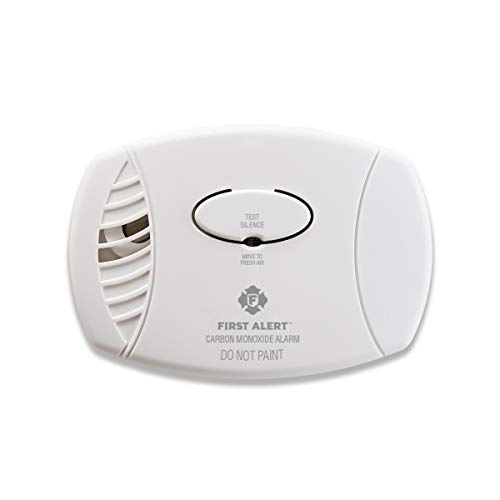
    First Alert CO400 battery CO alarm

    Battery-operated carbon monoxide detector, single pack.

    $21.99 on Amazon as of Nov 24, 7:06 a.m. CT

    Good to know: Put one on every level and outside sleeping areas.

    View on Amazon
  • First Alert

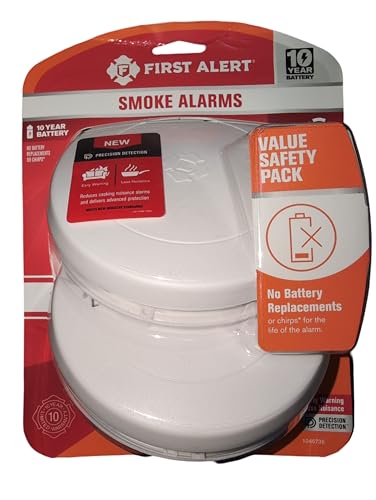
    First Alert 10-Year photoelectric smoke alarm, 2 pack

    10-year photoelectric smoke detector, no battery replacements, 2 pack.

    No price from Amazon right now (checked Nov 24, 7:06 a.m. CT)

    See buying options
  • Scepter

    Scepter Flow Control 5-Gallon Water Jug with Spigot

    A food-grade 5-gallon water can from a maker of military water containers. Stands upright to carry, lies flat to pour.

    No price from Amazon right now (checked Nov 24, 7:06 a.m. CT)

    Good to know: About 43 lb full. Wash it before the first fill: new jugs can smell of plastic.

    See buying options
  • Good Ideas

    Good Ideas Rain Wizard 50 Gallon Rain Barrel, Flat Back

    Opaque 50-gallon barrel with a brass spigot near the base, and a flat back that sits close to the house wall.

    No price from Amazon right now (checked Nov 24, 7:06 a.m. CT)

    Good to know: Full, it weighs over 400 lb: set it on a level, solid stand. Check your state and HOA rules first.

    See buying options

Share this with someone who’d use it

Some links on this page may be affiliate links; see our affiliate disclosure. Nothing here is medical or legal advice; check your local regulations.

Corrections

None yet.

Shane Richard

Written by

Shane Richard

Shane is a disabled US Army veteran who served as an M1A1 tank crewman, then spent his career in technology and manufacturing supply chains, keeping parts moving through COVID. He, his wife Heather and their three kids have ridden out tornadoes, the February 2021 Texas freeze, the 2026 floods in Northeast Texas and power outages that lasted days. He started Prepping Expert to give families the plain, affordable, step-by-step version he wished he'd had.

Comments

No comments yet. Read the comment guidelines before posting.

Popular guides

Topics

Tags

The weekly checklist

One preparedness job by email every Sunday. Five minutes.

You might also like

More in Off-grid living →

The weekly checklist

One thing to do this week. Five minutes, every Sunday.

A single preparedness task by email, in the order we'd do them. No launches, no discounts, unsubscribe in one click.

Before you go

Take the one-page household checklist with you.

Forty lines. Check off what you have, circle what you don't, do one circled item a week. We'll email the PDF and the Sunday checklist; drop either any time.

Done

You're on the list.

First email lands Sunday. Check your spam folder once, then it'll behave.

We store your address and nothing else. Privacy