A suburban backyard in summer with three raised vegetable beds, a small chicken coop against the fence, a dwarf fruit tree and a rain barrel under a downspout, a house wall at one side.
Homesteading on a quarter acre: what a suburban lot really produces in vegetables, eggs, fruit and rainwater, what it costs, and what cuts grocery bills.
Shane RichardOct 16, 2026Updated Nov 1, 20267 min readGuide · Complete guide
A quarter-acre homestead, most of it: three beds, four hens, a barrel and a tree that will fruit in a few years.
Homesteading on a quarter acre, a normal suburban lot, can produce a real share of a family’s fresh vegetables in season, most of its eggs, some fruit after a few years, and a useful amount of non-drinking water. It can’t feed a family through the year, and in money terms some of it costs more than the supermarket. Both of those are fine, as long as you know which is which before you start.
This is the pillar for homesteading on a normal lot. It sets out the realistic outputs by area, what reduces grocery bills and what doesn’t, the order to start in, and the zoning and HOA checks that come before any of it.
How much ground you actually have
A quarter acre is about 10,900 sq ft (about 1,000 m²). By the time the house, driveway, paths, patio and setbacks are taken out, most lots have something like 3,000–5,000 sq ft of open ground, and some of that is shaded by the house, trees or the neighbor’s garage. Vegetables and fruit want six or more hours of direct sun.
So the first job is a sun map: sketch the lot and, on a sunny day, note where the sun falls at 9 a.m., noon and 3 p.m. The ground that gets sun at all three is your growing space. For many suburban lots it is 500–1,500 sq ft, and that, not the deed, sets what you can produce.
Homesteading on a quarter acre: realistic yields per year
The figures below are rough ranges for a household in a temperate climate with a few years’ experience. Your first year will be at the low end; weather, soil and pests move them a lot.
What
Space
Rough yield per year
Start-up cost
Saves money?
Salad greens, herbs
32 sq ft (one 4×8 ft bed)
Most of a family’s salad, spring to fall
$100–250 per bed
Yes, clearly
Tomatoes, peppers, zucchini, beans
100–200 sq ft
Roughly 50–200 lb of produce
$200–500
Yes, in season
Potatoes, squash, dry beans (calorie crops)
200–500 sq ft
Roughly 100–400 lb of potatoes or equivalent
$100–300
Little; they are cheap to buy
Four laying hens
Coop plus about 40 sq ft of run
Roughly 700–1,000 eggs in their first years
$600–1,800
Often not, once feed and the coop are counted
Two or three dwarf fruit trees
About 100 sq ft each
Nothing for 2–5 years, then a useful crop
$40–100 per tree
Eventually, modestly
Berries (blueberries, raspberries)
A 20-ft row
Small at first; raspberries crop by year two or three, blueberries reach full yield by year five or six
$50–150
Yes, if you buy berries
Rain barrels on one downspout
A corner by the house
Hundreds of gallons for the garden
$60–150 per barrel
A little on the water bill
Rain is the one number you can calculate. One inch of rain on 1,000 sq ft of roof sheds about 620 gallons (2,350 L). Most of that runs past a barrel; a 55-gallon barrel fills in the first fraction of an inch. The limit is storage, not rain. Rainwater collection: barrels, first-flush and making it drinkable covers sizing and treatment.
Calories are the sobering one. An adult needs roughly 2,000 calories a day, about 730,000 a year. A generous 500 sq ft of potatoes might yield a few hundred pounds, enough for a few weeks to a couple of months of one person’s calories, not a family’s year. That is why calorie crops for a small yard treats them as a buffer, not a replacement for the pantry.
What reduces grocery bills, and what doesn’t
The pattern is simple: grow what is expensive, perishable and better fresh; buy what is cheap and keeps.
Saves money: salad greens, herbs, tomatoes, peppers, zucchini, green beans, berries. They cost a lot per pound in the store, spoil fast, and a single bed produces far more than you’d buy.
Roughly break-even: onions, garlic, winter squash, fruit trees once mature. Worth growing for taste or storage, not savings.
Usually costs more than buying: eggs (once the coop, feed, bedding and the occasional vet bill are counted), potatoes, grains, dry beans. Four hens, one year: the honest cost does the full math. People keep hens for the eggs, the compost and the pleasure, not the savings.
"Grow what’s expensive and spoils fast. Buy what’s cheap and keeps. The pantry still does the heavy lifting."
The money rule, in one line
That is not an argument against homesteading. A garden, hens and barrels make a household more resilient in a supply disruption, teach skills the family will keep, and produce food that tastes better. Just don’t build the plan on a promise of lower bills that the numbers won’t keep.
The order to start in
Most new homesteaders try to do everything in the first spring and burn out by August. The order that works:
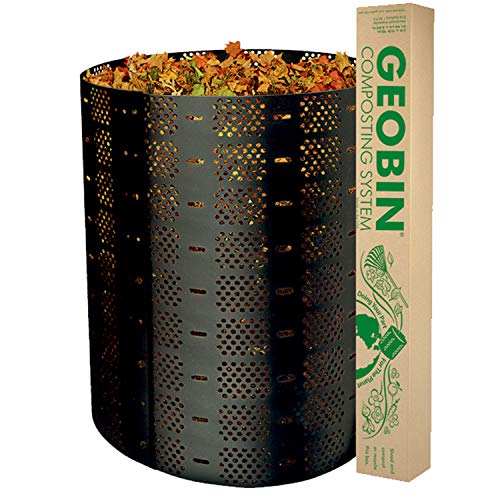
Year one: one or two raised beds, a rain barrel, a compost bin. Learn your sun, soil, water and pests.
Year two: more beds where year one worked, a few perennial herbs and berries, and hens if the rules allow and you still want them.
Year three: fruit trees, once you know where the sun and drainage are; storage such as a root cellar corner.
Later, if ever: bees, larger livestock, bigger water systems.
The sun map comes before the first bed. On most lots the growing space is a strip, not the whole yard.
Zoning, HOA and the rules
Check these before you spend anything; they decide what is allowed, not your enthusiasm.
Municipal zoning and animal ordinances. Many towns allow a small number of hens and ban roosters; some require a permit, set a maximum number, or set how far a coop must be from the property line or a neighbor’s house. Some ban poultry entirely. Your city or county code is usually searchable online, or call the planning office.
HOA covenants. Many homeowners’ associations restrict animals, sheds, front-yard vegetable beds, fences or rain barrels. Read the covenants, and ask the board in writing if anything is unclear.
Rainwater law. Collecting rainwater is legal in most states, but a few restrict it or set limits. Rainwater collection laws by state is the place to check, then confirm with your state’s water agency.
Structures. Sheds, coops, greenhouses and fences may need permits or have height and setback limits.
Composting. Some towns have rules about open compost piles; enclosed bins are rarely a problem.
If anything is unclear, ask the planning office or your local cooperative extension service, which also offers soil testing and regional growing advice, usually for a small fee.
What a normal lot is good for
Done in that order, a quarter acre gives a family fresh vegetables for half the year, eggs most of the year, rainwater for the garden, and a slow build toward fruit. It turns kitchen scraps into soil, teaches children where food comes from, and gives the household a little slack if the supermarket shelves are thin for a week. That is a good return on a few hundred dollars and a few hours a week, and it doesn’t need a farm.
Quick answers
Can a family homestead on a quarter-acre suburban lot?
Partly. A quarter-acre lot can produce a real share of a family’s fresh vegetables in season, most of its eggs from four hens, some fruit after a few years, and hundreds of gallons of rainwater for the garden. It cannot feed a family through the year, so the pantry still does the heavy lifting.
How much growing space does a quarter acre have?
A quarter acre is about 10,900 sq ft (about 1,000 m²), but after the house, driveway, paths and setbacks, most lots have roughly 3,000–5,000 sq ft of open ground. Vegetables want six or more hours of direct sun, and on many suburban lots the sunny growing space is only 500–1,500 sq ft. A simple sun map shows where it is.
Which homegrown foods actually save money?
Salad greens, herbs, tomatoes, peppers, zucchini, green beans and berries save money, because they are expensive per pound in the store, spoil fast and grow heavily in a small bed. Potatoes, grains, dry beans and backyard eggs usually cost more than buying them once seed, feed, coop and equipment are counted. Grow what is expensive and perishable; buy what is cheap and keeps.
How much rainwater can a house roof collect?
One inch of rain on 1,000 sq ft of roof sheds about 620 gallons (2,350 L) of water. A 55-gallon rain barrel fills in the first fraction of an inch, so the real limit on rainwater collection is storage, not rainfall. Collecting rainwater is legal in most states, but a few restrict it, so check your state’s rules first.
What should I check before keeping backyard chickens or rain barrels?
Check your municipal zoning and animal ordinances, your HOA covenants and your state’s rainwater law before buying hens, a coop or a barrel. Many towns allow a few hens but ban roosters or require a permit and setbacks, and many HOAs restrict animals, sheds, fences or rain barrels. Coops, sheds and greenhouses may also need permits.
Printable
Living self-reliant inventory checklist (PDF, 1 page). The rules to check, the beds, the barrel and the year-by-year order on one page.
Picks that match the specs in this guide, from makers with a track record. We haven't tested them yet. As an Amazon Associate we earn from qualifying purchases, at no cost to you. Add what you need to my list, then send the whole list to your Amazon cart all at once. Prices and availability are accurate as of the date and time shown and are subject to change. The price and availability shown on Amazon.com at the time of purchase will apply.
Rain Harvesting
Rain Harvesting WDDS98 First Flush Water Diverter Kit
Diverts the dirtiest first rain off the roof before water reaches the barrel.
No price from Amazon right now (checked Nov 24, 7:06 a.m. CT)
Good to know: Measure your downspout and pipe size first.
Shane is a disabled US Army veteran who served as an M1A1 tank crewman, then spent his career in technology and manufacturing supply chains, keeping parts moving through COVID. He, his wife Heather and their three kids have ridden out tornadoes, the February 2021 Texas freeze, the 2026 floods in Northeast Texas and power outages that lasted days. He started Prepping Expert to give families the plain, affordable, step-by-step version he wished he'd had.
Homesteading for beginners: start a bed, a barrel and a compost bin; skip goats, an orchard and bees. A month-by-month first year on a normal lot, with costs.
High-calorie garden crops for a small yard: potatoes, sweet potatoes, squash, dry beans and corn. What 200 sq ft really yields, and how to grow and store it.
How to save seeds: beans, peas and tomatoes are easy, squash needs care. Drying, storage, how long seed keeps, and why a seed vault isn’t the shortcut.
We use Google Analytics cookies to count visits and see which guides help. No ads, nothing sold. Cookie policy






 4



Comments
No comments yet. Read the comment guidelines before posting.