A small wooden coop with a green roof and a hardware-cloth run in a suburban backyard, four brown hens scratching in straw, a hanging feeder and a galvanized waterer.
The real cost of backyard chickens: a one-year ledger for four hens, from coop and feed to eggs by season and vet bills, and whether it saves money.
Shane RichardOct 16, 2026Updated Nov 1, 20267 min readGuide · Complete guide
Four hens, one coop, one covered run. Small enough for a normal yard and most town ordinances, big enough to keep a family in eggs most of the year.
The honest cost of backyard chickens, for a flock of four hens, is $600–1,800 to set up and $250–700 a year to keep, and in a good laying year they produce around 80 dozen eggs. At supermarket prices that is roughly $180–480 worth of eggs, so the first year runs at a loss and later years roughly break even, depending on what eggs cost where you live. If that sounds like a poor deal, it is a fair one: chickens are a food source you control, a compost engine and a daily chore, and the money is the least interesting part.
Four is the number this site recommends for a first flock. It is enough to keep a family of four in eggs most of the year, small enough to fit a normal yard, and within the hen limit of most towns that allow chickens at all. Here is the ledger.
Check the rules before you buy a single chick
Do this first, because it decides everything else.
City or county ordinance. Search your municipal code for “poultry” or “fowl.” Common rules: a limit of four to six hens, no roosters, a setback of some distance from neighbors’ houses, and sometimes a permit or a fee.
HOA covenants. Many prohibit “livestock” or “poultry” outright, and an HOA can fine you even where the city allows hens.
Roosters. You don’t need one for eggs. Hens lay without one. Roosters are banned in most towns because of the noise, and a “sexed” chick from a hatchery is occasionally a rooster anyway, so have a plan for rehoming one.
Neighbors. Legal isn’t the same as welcome. A conversation and a dozen eggs before the coop goes up prevent most complaints.
Setup: the cost of backyard chickens before the first egg
Item
Typical cost
Notes
Coop for four
$300–1,000
Cheap kit coops rarely survive a raccoon or a few winters; build or buy sturdy
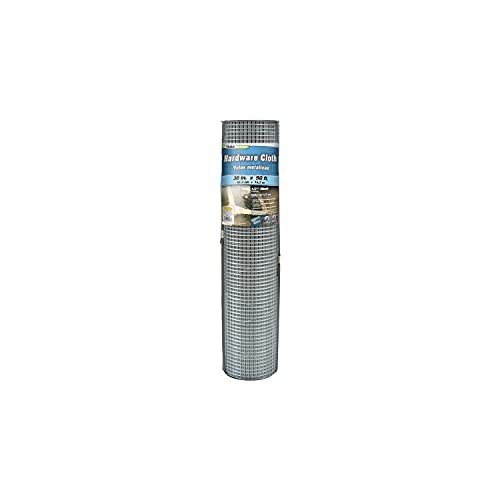
Covered run, hardware cloth
$150–500
Half-inch hardware cloth, not chicken wire; apron buried or laid out to stop digging
Feeder and waterer
$40–100
Plus a heated base ($40–60) where water freezes
Birds
$16–32 as chicks, $80–160 as point-of-lay pullets
Chicks need a brooder, a heat plate and 4–6 weeks indoors ($50–100)
First bedding, grit, oyster shell
$40–60
Pine shavings or straw
Total
$600–1,800
The coop and run are most of it
The single most important spend is the run. Chicken wire keeps chickens in; it doesn’t keep raccoons, foxes or dogs out. Half-inch hardware cloth on every opening, a roof or netting against hawks, and a coop door that latches with something a raccoon can’t open (they defeat simple hooks and slide bolts) are the difference between four hens and none.
Chicks are cheaper but take 18–24 weeks to start laying. Point-of-lay pullets cost more and start within weeks. If you buy chicks in spring, expect your first eggs in late summer.
Feed and running costs, month by month
A laying hen eats roughly a quarter of a pound (about 115 g) of feed a day, so four hens go through about 30 pounds a month, a little more in winter. A 50-pound bag of conventional layer feed runs roughly $16–26 at a farm store (checked Nov 1, 2026); organic feed costs about twice as much per pound.
Running cost
Per year
Layer feed (about 8 bags)
$150–280
Bedding
$50–120
Grit, oyster shell, scratch
$30–80
Replacement equipment, latches, hardware
$20–60
Vet or medication (some years zero)
$0–200
Total
$250–700
Kitchen scraps and garden waste cut the feed bill a little, but layer feed should stay the base of the diet so the eggshells stay strong.
Eggs per week, by season
A good laying breed produces roughly 200–280 eggs in its first full year (a commercial White Leghorn averages about 265; most backyard breeds lay fewer), and less each year after. The eggs don’t arrive evenly.
Season
Per hen per week
Four hens per week
Why
Spring
5–6
20–24
Lengthening days, peak laying
Summer
4–6
16–24
Drops in heat waves
Fall
0–3
0–12
The molt: hens replace feathers and stop for 6–12 weeks
Winter
2–4
8–16
Short days; some breeds stop
Many keepers add a light on a timer in winter to keep production up. It works, but it is a choice about the bird’s rest, and some keepers prefer to let them take the break. Either way, a glut in May is normal; crack, whisk and freeze the extra, or give it to the neighbors who put up with the coop.
The ledger is worth keeping for the first year: eggs in, feed out. It settles the "are they paying for themselves" argument with numbers.
Losses, vet bills and the days you regret it
Predators. The most common way to lose a hen is a predator getting in, usually at night, usually through something that “would probably be fine.” Lock the coop every night, or install an automatic door ($100–200).
Illness. Avian vets are scarce in many areas, and an exam typically costs $75–150 where you can find one. Most backyard keepers learn basic care and accept that a sick hen often can’t be saved. Bird flu has affected backyard flocks in many states; keep feed covered and wild birds out of the run, and report sudden deaths to your state veterinarian or the USDA.
Hygiene. The CDC’s advice is plain: chickens can carry salmonella even when healthy. Wash hands after handling birds or eggs, don’t let small children kiss or snuggle chicks, and keep birds out of the kitchen.
Time. Ten to fifteen minutes a day for food, water, eggs and the evening lock-up; an hour or two a week for cleaning; a full clean-out twice a year. Vacations need a chicken-sitter.
The days you regret it are predictable: the frozen waterer at 6 a.m. in January, the morning you find the run torn open, the week of rain when the run is mud. Then a hen gets old. Backyard hens often live 6–8 years and lay well for two to four. Decide in advance whether old hens stay as pets, go to a farm, or go in the pot, because that decision is harder in year four.
Does it save money? The honest arithmetic
The US average price of a dozen large eggs has swung from about $2 to a record $6.23 in March 2025 and back to $2.27 in September 2026, mostly because of bird flu outbreaks in commercial flocks. Here is the first full laying year at both ends:
Eggs: about 80 dozen. Worth about $180 at $2.27 a dozen (the US average in Sep 2026), $480 at $6.
Year-one cost: $600–1,800 setup plus $250–700 running = $850–2,500.
Years two to four: $250–700 a year against eggs worth roughly $150–450 as production declines.
So no, not in year one, and only roughly break-even after, unless eggs are expensive or you would otherwise buy pasture-raised eggs at a premium. What you get for the money is a supply you control when the shelves are empty, compost for the garden, fewer bugs and a reason for the kids to go outside every day.
How much does it cost to keep four chickens a year?
Keeping four backyard hens costs roughly $250–700 a year once they are set up: layer feed is $150–280 of that, with bedding, grit, oyster shell, hardware and the occasional vet bill making up the rest. Setup is a separate $600–1,800, mostly the coop and a covered hardware-cloth run.
How many eggs do four hens lay in a year?
Four good laying hens produce about 80 dozen eggs in their first full laying year, roughly 240 eggs per hen. The eggs do not arrive evenly: around 20–24 a week in spring, as few as 0–12 a week during the fall molt, and 8–16 a week in winter. Production falls each year after the first.
Do backyard chickens save money on eggs?
No, not in the first year. Year one costs $850–2,500 against about 80 dozen eggs worth roughly $180–480 at supermarket prices. After that, four hens roughly break even, depending on local egg prices. What backyard chickens buy is an egg supply you control, garden compost and a daily outdoor chore.
Do hens need a rooster to lay eggs?
No. Hens lay eggs without a rooster; a rooster is only needed for fertile eggs to hatch chicks. Most towns that allow backyard chickens ban roosters because of the noise, and a sexed chick from a hatchery occasionally turns out to be a rooster anyway, so have a plan for rehoming one.
How much feed do four chickens eat?
Four laying hens eat about 30 pounds of layer feed a month, since each hen eats roughly a quarter of a pound (about 115 g) a day, a little more in winter. That is about eight 50-pound bags a year, or $150–280 for conventional feed depending on region; organic feed roughly doubles that.
Printable
Living self-reliant inventory checklist (PDF, 1 page). Track the coop, feed stock and the rest of the homestead on one sheet.
Picks that match the specs in this guide, from makers with a track record. We haven't tested them yet. As an Amazon Associate we earn from qualifying purchases, at no cost to you. Add what you need to my list, then send the whole list to your Amazon cart all at once. Prices and availability are accurate as of the date and time shown and are subject to change. The price and availability shown on Amazon.com at the time of purchase will apply.
RentACoop
RentACoop 25 lb Chicken Feeder, 4 Large Ports
Holds about 25 pounds of layer feed, close to a month for four hens at the guide's quarter-pound a day.
Shane is a disabled US Army veteran who served as an M1A1 tank crewman, then spent his career in technology and manufacturing supply chains, keeping parts moving through COVID. He, his wife Heather and their three kids have ridden out tornadoes, the February 2021 Texas freeze, the 2026 floods in Northeast Texas and power outages that lasted days. He started Prepping Expert to give families the plain, affordable, step-by-step version he wished he'd had.








 4



Comments
No comments yet. Read the comment guidelines before posting.