


When prepping on a budget, the first $100 should buy water containers, a cheap calorie base, two headlamps and a dozen cans. That covers the first week of the most likely emergency, a multi-day power outage, for a household of two. The next $150 adds sanitation, news, cooking and charging. The $250 after that rounds it out to two weeks and adds the safety items that matter in a house running on candles and camp stoves. Total: $500, spread over as many months as you need, with nothing wasted.
Prices are late-2026 bands for ordinary supermarket and hardware-store items. Many households already own a quarter of this list; skip what you have and move up. If you prefer a fixed weekly budget, prepping on $25 a week spreads the same order over twelve weeks.
Prepping on a budget: the first $100
The first $100 covers water, food and light, the three gaps that turn an outage into an emergency fastest.
| Item | Price | Why it is first |
|---|---|---|
| Two 7-gallon water containers | $20–28 | A week of drinking water for two, filled from the tap |
| Plain unscented bleach | $3–5 | Disinfecting water and surfaces later |
| Rice, dry beans, oats, peanut butter | $20–25 | Close to two weeks of base calories for two |
| 12–15 cans: beans, tuna or chicken, vegetables, fruit | $20–25 | Food that needs no cooking for the first days |
| Two headlamps and spare batteries | $20–25 | Hands-free light, safer than candles |
| Total | about $85–110 |
Fill the containers the day you get home and write the date on them. Put the food at the back of the shelf and eat from the front. That is the whole tier.
The next $150: to $250
This tier fills the gaps that show up on day two of an outage: the toilet, the news, hot food and dead phones.
| Item | Price | Why |
|---|---|---|
| Two more 7-gallon water containers | $20–28 | Fourteen days for two people, seven for four |
| Bucket toilet: 5-gallon bucket, snap-on seat, heavy bags, toilet paper | $20–30 | When the water is off, this matters by hour six |
| Battery or hand-crank weather-alert radio | $25–40 | Evacuation orders when the cell network is down |
| Canister camp stove and one fuel canister | $25–40 | Hot food and drinks; outdoors only |
| Power bank, about 20,000 mAh, and a cable | $25–40 | Three or four full phone charges |
| Running total | about $200–280 |
If you own a gas grill with a full tank, skip the stove and put the money toward a spare propane tank. The bucket toilet guide explains the setup, which sounds worse than it is.
The next $250: to $500
The last tier stretches the household to two weeks and adds the safety gear a home running on a camp stove and headlamps should have.
| Item | Price | Why |
|---|---|---|
| More pantry: the rest of a two-week grocery run | $60–90 | Two weeks of food you already eat |
| Gravity or squeeze water filter | $25–45 | Water after the containers run out |
| Store-bought first aid kit plus additions | $25–40 | Cuts, burns, headaches |
| Smoke and carbon monoxide alarms (if missing or old) | $25–60 | Stoves, generators and candles all raise the risk |
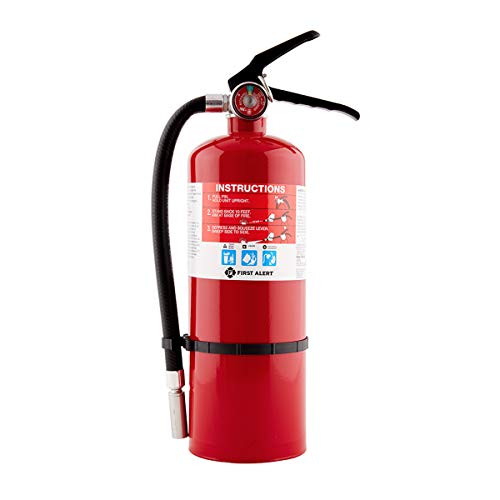
| Kitchen fire extinguisher (ABC rated) | $25–50 | The small fire before it becomes a big one |
| Battery lantern | $15–30 | Light for the room you gather in |
| Zip bag and a USB drive for document copies | $10–15 | Paperwork you can grab and carry |
| Running total | about $390–610 |
At this point a household of two can sit out two weeks of outage or a boil-water notice with water, food, light, news, sanitation, cooking and basic first aid. The next priority is money, not more gear: see the emergency fund is the first prep.
What to get used or borrowed
A surprising amount of this list is cheaper secondhand, and some of it is free.
Good used buys:
- Camping gear: stoves, lanterns, coolers and sleeping bags turn up at garage sales and online marketplaces for a fraction of new. Test the stove outdoors before you rely on it.
- Blankets and wool clothing from thrift stores, for staying warm in one room during a winter outage.
- Food-grade buckets: bakeries and delis often give away buckets that held frosting or pickles. Wash well.
- Hand tools: a pry bar, a manual can opener, a shovel.
Borrow instead of buy:
- Tool libraries and neighbors for things you use once a year: a ladder, a chainsaw, a wet-dry vacuum.
- A neighbor’s knowledge: someone on your street has a generator, a ham radio or a nursing license. Knowing who is a prep in itself.
Don’t buy used: water containers that held anything but food or water, fire extinguishers of unknown age or with the gauge out of the green, smoke or CO alarms (they expire), car seats and helmets.
The traps: what is never worth it on a budget
Pre-packed survival kits. A $100 kit is mostly the bag and the branding, with a flashlight you wouldn’t choose, a few water pouches, ration bars and a thin first aid kit. The same money spent from the tables above buys more water, more food and better light.
Subscriptions. Monthly survival-food boxes and gear crates turn a one-time job into a forever bill and fill the closet with things you didn’t choose. If something is worth buying, buy it once.
Cheap generators. A $300–500 open-frame generator looks like a bargain until you price the fuel, the safe storage for it, the heavy-duty cord, the transfer switch or interlock an electrician needs to fit to connect it to the house, and the carbon monoxide risk. Generators kill people every year when run in garages or near windows. On a budget, a power bank or a small power station (how to choose one) covers phones, lights and a radio with no fuel and no fumes. Backup power for a normal house explains when a generator becomes worth it.
Freeze-dried buckets and “25-year” food. Expensive per calorie, often unfamiliar food, and mostly irrelevant to the emergencies you are likely to face. Canned and dry food you already eat is cheaper and rotates. Long-term food storage: what lasts 25 years and what only says it does has the detail.
Bulk buys you won’t rotate. Fifty pounds of something nobody in the house eats is not a bargain.
The order, if you only remember one thing
Water, then food you already eat, then light, then the toilet, then news and cooking, then everything else. Spend in that order, at whatever pace your budget allows, and stop to build the emergency fund once the first $250 is done. Then come back for the rest.
Quick answers
What should I buy first when prepping on a budget?
The first $100 should buy two 7-gallon water containers, plain unscented bleach, a calorie base of rice, dry beans, oats and peanut butter, 12–15 cans and two headlamps. That covers the first week of a multi-day power outage, the most likely emergency, for a household of two. Add sanitation, a radio, a stove and a power bank next.
How much does basic emergency preparedness cost?
About $500 covers two weeks for a household of two: water, food, light, sanitation, news, cooking, a water filter, basic first aid, smoke and carbon monoxide alarms and a fire extinguisher. Spread it over as many months as you need. Many households already own a quarter of the list and can skip those items.
Are pre-packed survival kits worth the money?
Usually not. A $100 pre-packed survival kit is mostly the bag and the branding, with a flashlight you wouldn’t choose, a few water pouches, ration bars and a thin first aid kit. The same $100 spent on water containers, pantry food you already eat and two headlamps buys more water, more food and better light.
Is a cheap generator worth it for power outages?
On a budget, usually not. A $300–500 open-frame generator also needs fuel, safe fuel storage, a heavy-duty cord, an electrician-installed transfer switch or interlock, and it carries a real carbon monoxide risk. A power bank or small battery power station runs phones, lights and a radio with no fuel and no fumes.
What prepping supplies can I buy used?
Camping stoves, lanterns, coolers, sleeping bags, wool clothing, food-grade buckets from bakeries and delis, and hand tools are all good used buys. Test a used stove outdoors before relying on it. Don’t buy used water containers that held anything but food or water, fire extinguishers of unknown age, smoke or carbon monoxide alarms, car seats or helmets.
Printable
The one-page household readiness checklist (PDF, 1 page). Check off what you already own before you spend anything, then buy down the gaps in order.



 4


Comments
No comments yet. Read the comment guidelines before posting.