One pantry shelf in daylight with canned beans, tuna and tomatoes, jars of rice, oats and pasta, peanut butter and coffee, a camp stove and pot on the counter below.
Ten one-pot emergency pantry meals for four, made entirely from the two-week shelf, each with a no-cook fallback and a fuel cost you can count in canisters.
Shane RichardOct 16, 202610 min readGuide · Complete guide
One shelf, two weeks, ten meals: everything on this page comes off something that looks like this.
A two-week pantry is only useful if it turns into dinner. These ten emergency pantry meals use nothing but shelf-stable food from the two-week pantry, one pot and one burner. Quantities are for four people with ordinary appetites. Each has a fuel cost in minutes of full flame on a small canister stove, a figure for the water it uses, and a version that needs no cooking at all or only a kettle’s worth of boiled water.
Rotate the ten through two weeks, add breakfasts and the morale items at the end, and you have a menu nobody will love but nobody will refuse. That is the target.
How the fuel and water numbers work
The numbers are planning estimates, not lab results. They assume a typical small canister stove that brings a quart (about 1 L) of water to a boil in roughly four minutes, and they count simmering at about a third of full flame, because a stove turned low burns far less gas. Your stove, your pot and the weather will move them up or down. Wind and cold are the big ones: a canister below freezing struggles, and an unshielded flame on a breezy porch can double the time.
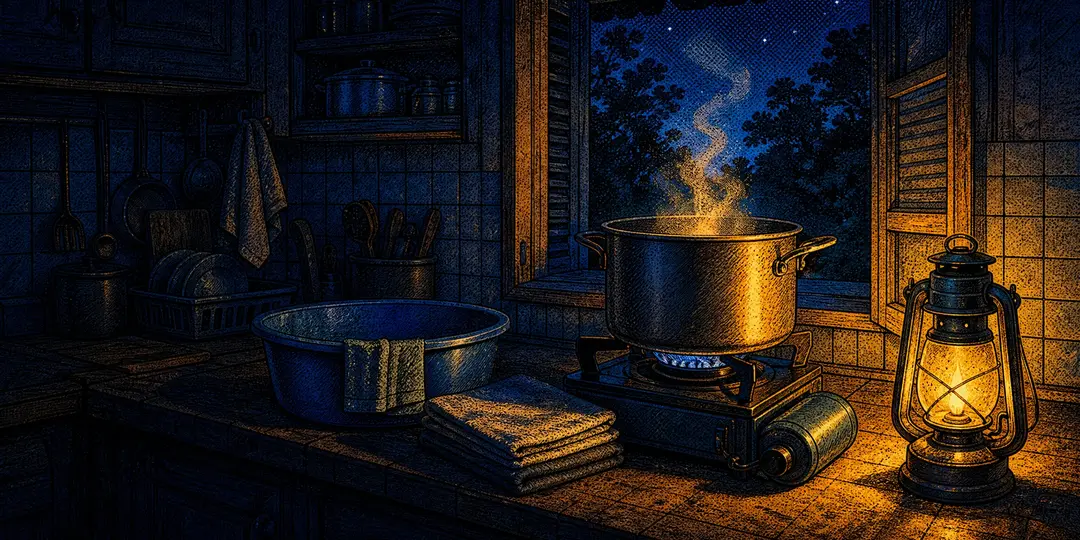
Two habits halve the fuel bill. Put a lid on the pot, always. And use the retained-heat trick: bring the pot to a boil, simmer briefly, then turn the stove off and wrap the pot in towels or put it in a cooler for 20–30 minutes while it finishes. Rice, pasta, lentils and oats all cook this way. Cooking when the power’s out covers the thermos version and the other stoves in the house.
Water matters just as much. Every cup in the pot is a cup out of the stored supply, and the one gallon per person per day guideline already has to cover drinking, cooking and washing. Cook pasta in just enough water to absorb, use the liquid from canned vegetables as part of the cooking water, and never drain anything you could drink.
The ten emergency pantry meals
1. Oats with peanut butter and raisins
For four: 2 cups rolled oats, 4 cups water, ½ cup peanut butter, 1 cup raisins or other dried fruit, ½ cup powdered milk, a pinch of salt, sugar to taste. Bring the water to a boil, stir in the oats and milk powder, simmer two minutes, then lid it and turn it off for five. Stir in peanut butter and fruit.
No-cook: stir the same oats into the same amount of cold water and milk powder the night before and leave it covered. Overnight oats are cold but filling. Fuel: about 6 minutes. Water: 1 quart.
2. Rice and red beans
For four: 1½ cups white rice, two 15 oz cans kidney beans with their liquid, one 15 oz can diced tomatoes, 1 bouillon cube, 1 tsp cumin, 1 tsp garlic powder, hot sauce. Put everything in the pot with 2 cups water, bring to a boil, simmer covered on the lowest flame for 10 minutes, then off and wrapped for 15.
No-cook: warm-ish or cold beans and tomatoes spooned into tortillas with hot sauce. Fuel: about 10 minutes. Water: 2 cups (the can liquid does the rest).
3. Pasta with tuna and tomato
For four: 1 lb short pasta, two 5 oz cans tuna, one 15 oz can diced tomatoes, 2 tbsp olive oil, 1 tsp garlic powder, dried oregano. One-pot method: pasta, tomatoes and about 4½ cups water into the pot, boil, stir often, simmer uncovered until the pasta is done and the liquid has nearly gone, about 10–12 minutes. Stir in the tuna and oil off the heat.
No-cook: tuna mixed with oil, a little vinegar or mustard, on crackers. Fuel: about 14 minutes. Water: just over 1 quart.
4. Chicken couscous
For four: 2 cups couscous, 2½ cups water, two 12.5 oz cans chicken, one 15 oz can peas or corn (drained, liquid saved as part of the water), 1 bouillon cube, 2 tbsp oil. Boil the water with the bouillon, take it off the flame, stir in the couscous, chicken and vegetables, lid it, wait five minutes, fluff.
This is the cheapest meal on the list in fuel, because couscous needs boiled water and nothing else. No-cook: chicken and vegetables on crackers. Fuel: about 3 minutes. Water: 2½ cups.
5. Red lentil and tomato soup
For four: 1½ cups red lentils, one 28 oz can crushed tomatoes, 5 cups water, 2 bouillon cubes, 2 tsp curry powder or cumin. Simmer 15 minutes, or boil 5 and wrap for 25. Red lentils collapse into a thick soup without any help.
No-cook: canned soup eaten at room temperature, which is fine for any canned soup, since it was cooked in the can. Fuel: about 10 minutes. Water: 1¼ quarts.
One pot, one burner, a lid and a towel. The towel is for the retained-heat finish, which is where most of the fuel saving comes from.
6. Chili mac
For four: two 15 oz cans chili, one 15 oz can black beans, 8 oz elbow macaroni, 2 cups water. Boil the water, add the pasta, simmer until nearly done and most of the water has gone, about 8 minutes, then stir in the chili and beans and heat through.
No-cook: chili straight from the can with crackers or tortilla chips. Fuel: about 12 minutes. Water: 2 cups.
7. Peanut noodles with green beans
For four: 12 oz spaghetti or four packs instant ramen (seasoning packets saved for another day), ½ cup peanut butter, 3 tbsp soy sauce, 1 tbsp sugar, hot sauce, one 15 oz can green beans. Cook the noodles in just enough water, drain a little into a mug, then stir the peanut butter, soy, sugar and some of that water into a sauce in the pot with the beans.
No-cook: peanut butter and honey tortilla roll-ups with the green beans on the side. Fuel: about 10 minutes for ramen, 14 for spaghetti. Water: about 1 quart, part of it drunk as broth.
8. Potato, corn and ham chowder
For four: 2 cups instant mashed potato flakes, one 15 oz can corn with its liquid, one 12 oz can ham or chicken, diced, ½ cup powdered milk, 1 bouillon cube, 4 cups water. Boil the water, take it off, whisk in the milk powder, potato flakes and bouillon until it thickens, stir in corn and meat.
A second boil-only meal, and the most comforting thing on the shelf on a cold night. Fuel: about 5 minutes. Water: 1 quart.
9. Black bean and chicken tortillas
For four: eight tortillas, one 15 oz can black beans, one 12.5 oz can chicken, one 15 oz can corn, a jar of salsa. Warm the beans, chicken and corn together in the pot with a splash of the bean liquid, then fill the tortillas.
This one is designed to be eaten cold if it has to be; it is the best no-cook meal on the list. Fuel: about 4 minutes, or none. Water: none.
10. Fried rice with canned meat
For four: 1½ cups white rice cooked in 2¼ cups water, one 12 oz can luncheon meat, diced, one 15 oz can mixed vegetables drained, 3 tbsp soy sauce, 2 tbsp oil. Cook the rice, lid off the flame. In the same pot after, brown the meat in the oil, add vegetables, rice and soy, stir until hot.
Cook rice only in the evening and eat it the same night; rice left warm for hours is a known food-poisoning risk. No-cook: canned meat sliced onto crackers. Fuel: about 14 minutes. Water: 2¼ cups.
The two-week fuel and water budget
Add breakfasts (oats or cereal with powdered milk) and a kettle for hot drinks, and two weeks for four comes out like this.
Use
Per day
Over 14 days
Water over 14 days
Dinner (average of the ten)
about 9 min
about 125 min
about 3 gal (11 L)
Breakfast (oats)
about 6 min
about 85 min
about 3½ gal (13 L)
Hot drinks, one kettle a day
about 5 min
about 70 min
about 3½ gal (13 L)
Total
about 20 min
4½–5 hours
about 10 gal (38 L)
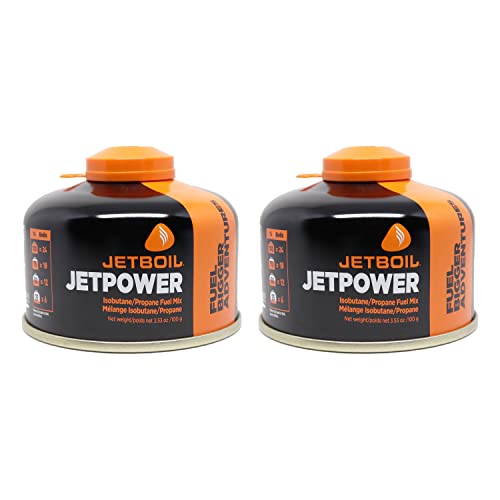
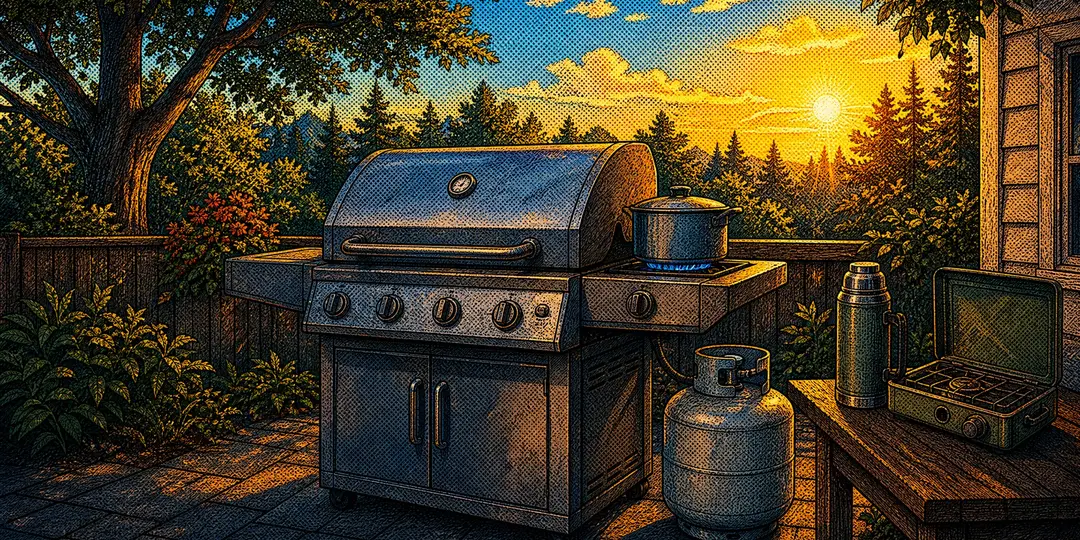
A common 8 oz (227 g) canister gives roughly an hour of full flame on a typical small stove; time one of yours to know for sure. Five hours of cooking is about five canisters, so buy six to eight to cover wind, cold and the meal that boils over. A household with a gas grill and a spare 20 lb tank has more fuel than it needs for this menu. Survival stoves compared covers which stove to buy if you have none, and fuel storage covers where to keep the canisters.
The water line is the one people miss. Ten gallons out of a 56-gallon supply for a family of four is not a problem, but only if it was planned for. Cooking comes out of the gallon a day; it is not extra.
"Every cup in the pot is a cup out of the jugs. Cook pasta in just enough water, and never pour any away."
The cooking-water rule
Coffee, hot sauce and something sweet
The morale shelf is part of the plan. A family that has eaten rice and beans for six days stops eating enough, and people who are tired, cold and short of food make worse decisions. Three things fix most of it.
Coffee or tea, for whoever in the house is unbearable without it. Instant coffee or tea bags are the low-fuel choice: one kettle, no brewing gear. A caffeine headache on day two of an outage is avoidable misery.
Hot sauce, soy sauce, bouillon and a few spices. Ten meals of the same beans are tolerable with three different sauces and miserable with none. A bottle of hot sauce, a bottle of soy, a jar of bouillon cubes, cumin, curry powder, garlic powder and oregano together cost less than $20 and cover every recipe above.
Something sweet, chosen by the children if there are any. Chocolate, cookies, hard candy, a box of pudding mix that sets with powdered milk and cold water. Rice pudding is the stove version: rice simmered with powdered milk, sugar, raisins and a pinch of cinnamon.
None of these are expensive. All of them are the first things missed. Put them on the shelf next to the beans and rotate them with everything else.
Making the shelf work
Keep the ten meals on one shelf, grouped by meal if you have the patience, and tape the list inside the cabinet door. Eat from the front, replace from the back on your regular grocery run, and cook one of these on a weekend once in a while on the actual stove you would use, so the first time is not in the dark. If any of the ten is refused by someone in your house, swap it now for something they will eat; a meal nobody eats is not food storage.
Quick answers
How much stove fuel do you need to cook for two weeks?
A family of four cooking these pantry meals uses about 20 minutes of full flame a day, or 4½–5 hours over two weeks, including breakfast and a daily kettle. A common 8 oz canister gives roughly an hour of full flame on a typical small stove, so buy six to eight canisters to allow for wind, cold and spills.
How much water does cooking take in an emergency?
Cooking two weeks of meals and hot drinks for four takes about 10 gallons (38 L), or roughly 2–3 quarts a day. That comes out of the one gallon per person per day guideline, not on top of it. Cook pasta in just enough water to absorb, use the liquid from canned vegetables, and never pour away anything you could drink.
Can you eat canned food without heating it?
Yes. Commercially canned food was cooked in the can, so canned soup, chili, beans and meat are safe to eat at room temperature as long as the can is intact. A pantry menu should give every meal a no-cook version, such as chili with crackers or beans, chicken and corn in tortillas.
How do you save fuel when cooking on a camp stove?
Put a lid on the pot every time, and use retained heat: bring the pot to a boil, simmer briefly, then turn the stove off and wrap the pot in towels or put it in a cooler for 20–30 minutes while it finishes. Rice, pasta, lentils and oats all cook this way, and the two habits together roughly halve the fuel used.
Picks that match the specs in this guide, from makers with a track record. We haven't tested them yet. As an Amazon Associate we earn from qualifying purchases, at no cost to you. Add what you need to my list, then send the whole list to your Amazon cart all at once. Prices and availability are accurate as of the date and time shown and are subject to change. The price and availability shown on Amazon.com at the time of purchase will apply.
MSR
MSR PocketRocket 2 Ultralight Stove
Single-burner stove that screws onto a standard isobutane-propane canister.
$49.04 on Amazon as of Nov 24, 7:06 a.m. CT
Good to know: Outdoors only. Fuel canisters may not ship to every address.
Shane is a disabled US Army veteran who served as an M1A1 tank crewman, then spent his career in technology and manufacturing supply chains, keeping parts moving through COVID. He, his wife Heather and their three kids have ridden out tornadoes, the February 2021 Texas freeze, the 2026 floods in Northeast Texas and power outages that lasted days. He started Prepping Expert to give families the plain, affordable, step-by-step version he wished he'd had.
How to cook without power using what you already own: which stove first, the thermos trick that halves the fuel, what to eat in what order, and the CO rule.
The emergency hygiene supplies a household of four gets through in fourteen days without running water, with quantities, prices and the shelf space they take.








 4
Comments
No comments yet. Read the comment guidelines before posting.