Three neat piles on a flat rock beside a stone fire ring: a nest of dry grass and birch bark, a bundle of thin sticks, and split wrist-thick logs, with a lighter and a box of matches.
Fire starting from scratch: tinder, kindling, technique
How to start a fire that keeps going: the three-size fuel ladder, the tinder that works when it’s wet, and why a lighter and matches come before the ferro rod.
Shane RichardOct 16, 20268 min readGuide · Complete guide
The fire is built before it is lit: tinder, kindling and fuel, sorted by size, all within reach.
A fire that won’t light is almost always a fuel problem. Not enough kindling, kindling too thick, tinder too damp, or the whole pile still lying in the forest while the match burns down. Get the preparation right and an ordinary lighter does the rest. This guide covers how to start a fire properly: the three-stage fuel ladder, tinder that works in bad weather, the order to learn ignition methods in, and the safety rules that apply every time.
It is written for a campsite, a backyard fire pit or a wood stove. For cooking at home during an outage, a camp stove is simpler and safer than an open fire; survival stoves compared covers those.
The fuel ladder: three sizes, gathered first
Fire climbs a ladder. A spark or flame lights tinder, tinder lights small kindling, small kindling lights larger kindling, and kindling lights fuel. Every failed fire skipped a rung.
Stage
Thickness
What it is
How much to gather before striking
Tinder
Thinner than a matchstick, fluffy
Dry grass, birch bark, cedar bark shredded fine, pine needles, carried tinder
Two good handfuls, plus some in reserve
Small kindling
Pencil-lead to pencil
Dead twigs that snap cleanly
A bundle as thick as your forearm
Large kindling
Pencil to thumb
Dead sticks, split pieces
An armful
Fuel
Wrist thickness and up
Split logs, dead branches
A stack for the first hour, more nearby
The rule that fixes most fires: gather twice as much small kindling as you think you need. The gap between tinder and wood is where nearly every beginner’s fire dies. Tinder burns for a few seconds; if the next rung isn’t already sitting over it, there is nothing to catch.
The test for dry wood is the snap. Dead wood that snaps cleanly with a crack is dry enough. Wood that bends, or snaps with a soft, damp sound, is too wet. Take dead branches from standing trees and bushes rather than from the ground, which holds moisture.
Tinder that works, natural and carried
Good tinder is dry, fine and fluffy, with lots of air between the fibers.
Natural tinder that works across much of the US:
Dry grass and weed tops, balled loosely into a nest.
Birch bark, peeled from dead or fallen trees, not live ones. It contains oils and will often burn even when damp.
Cedar and juniper bark, rubbed between your hands until it shreds into fiber.
Dead pine needles and small dead conifer twigs from the lower branches of evergreens, often dry even after rain.
Fatwood: resin-saturated wood from the stumps and limb joints of dead pines. It smells strongly of turpentine, and shavings light easily even in wet weather. You can also buy it in bundles for a few dollars.
Carried tinder is cheaper, lighter and more reliable than anything you will find, and it should be in every fire kit:
Cotton balls and petroleum jelly. Work a small amount of jelly into each cotton ball, store a dozen in a small zip bag or pill bottle, and pull one apart to fluff it before lighting. Each burns for a minute or more. Cost: pennies.
Commercial tinder tabs or cubes: $5–15 a pack. They work, and cost more than cotton balls.
Fatwood sticks, as above.
Kit tip: keep some carried tinder in your car, your hiking pack and the house kit. It barely takes up space.
Building the lay: give the flame somewhere to go
Clear the spot first, down to bare soil or into an existing fire ring. Then pick one of two lays.
The teepee. Tinder in the middle, small kindling leaned around it in a cone, larger kindling outside that, with a gap on the windward side to reach the tinder. It burns hot and fast and is the easiest to learn.
The lean-to. Lay one thick stick on the ground, put tinder against it on the downwind side, and lean kindling over the tinder against the stick. Good in wind and on wet ground.
Light the tinder at its base on the side the wind is blowing from, so the flame is pushed into the fuel. Then wait. The most common mistake after lighting is adding big wood too early and smothering it. Feed the next size up only when the current one is burning well, and leave gaps: fire needs air as much as fuel.
A teepee lay before lighting: tinder in the center, two sizes of kindling around it, and a gap left on the windward side for the flame.
Wet weather: what changes
Rain doesn’t make a fire impossible; it makes preparation matter more.
Build a platform. Lay a row of wrist-thick sticks on the wet ground and build the fire on top so the tinder isn’t sitting in moisture.
Split for dry wood. The outside of a dead branch can be soaked while the inside is dry. Split thumb-thick and wrist-thick wood with a knife or hatchet to expose the dry core.
Make feather sticks. Shave thin curls down a dry, split stick without cutting them off, leaving a bundle of curls at one end. Three or four of these, pushed into the tinder, bridge the gap to kindling.
Use the reliable tinder. Birch bark, fatwood and cotton with petroleum jelly all burn when conditions are damp. Natural grass tinder usually won’t.
Shelter the flame. Use your body, your pack or a tarp overhead (high enough not to melt).
Gather more. Wet wood burns slower and hisses. You need more of every rung.
Lighters and matches first, ferro rod second
Learn to build fires with the easiest ignition first, so that the only thing you are practicing is the fire.
A disposable butane lighter. Cheap, works hundreds of times, and lights tinder directly. Two weaknesses: it struggles when cold (keep it in an inside pocket) and fails once wet until it dries. Carry two.
Matches. Kitchen strike-anywhere matches in a waterproof container, or stormproof matches that keep burning in wind and rain. Pack the striker strip too, since many matches only light on their own box.
A ferro rod. A rod of ferrocerium that throws very hot sparks when scraped. It works wet, works cold and lasts thousands of strikes, but it needs fine tinder and a technique that takes practice. That’s why it comes third. Ferro rod technique for people who keep failing is the troubleshooting guide.
Check before you light. Counties, states and land managers impose burn bans during dry spells, and national forests often restrict or ban campfires in fire season. Many towns limit backyard fires altogether. Check your fire department or county website, or the ranger station for public land.
Use an existing ring or pit where there is one. Otherwise clear an area down to bare soil, well away from overhanging branches, tents and dry grass.
Keep it small. A fire for warmth or cooking rarely needs to be bigger than a couple of feet across.
Have water and a shovel ready before lighting.
Never leave it unattended, even for a few minutes.
Put it out properly: drown it with water, stir the ashes, drown it again, and feel with the back of your hand. If it’s too warm to touch, it isn’t out.
Never bring a fire or fire-starting experiment indoors or into a garage. That includes charcoal, which produces carbon monoxide.
How to start a fire every time: practice in order
Light five fires with a lighter in the backyard pit or a grill, gathering everything first. Then five with matches. Then one in damp weather. Then the ferro rod. Each one takes ten minutes once the habit sticks, and the habit is the skill: gather everything, sort it by size, then strike.
Almost always because of the fuel, not the spark: too little kindling, kindling too thick, damp tinder, or big wood added too early. Gather tinder, small kindling from pencil-lead to pencil thickness, larger kindling up to thumb thickness, and fuel before striking anything, and collect twice as much small kindling as you think you need. Feed the next size only when the current one burns well.
What is the best tinder for starting a fire in the rain?
Birch bark from dead or fallen trees, fatwood shavings, and cotton balls worked with petroleum jelly all burn when conditions are damp; natural grass tinder usually won’t. Build the fire on a platform of wrist-thick sticks, split wood to reach its dry core, add feather sticks, and gather more of every size than you would in dry weather.
How can you tell if firewood is dry enough?
Use the snap test. Dead wood that snaps cleanly with a crack is dry enough to burn; wood that bends, or snaps with a soft, damp sound, is too wet. Take dead branches from standing trees and bushes rather than from the ground, which holds moisture, and split thicker pieces in wet weather to expose the dry inside.
How do you put out a campfire properly?
Drown the fire with water, stir the ashes, drown it again, then feel with the back of your hand. If anything is too warm to touch, the fire isn’t out. Keep water and a shovel ready before you light, never leave a fire unattended, and check local burn bans and land-manager rules before every fire.
Printable
Skills inventory checklist (PDF, 1 page). Fire starting is one line on it; date it when you have lit five fires with a lighter, five with matches and one in the wet.
Picks that match the specs in this guide, from makers with a track record. We haven't tested them yet. As an Amazon Associate we earn from qualifying purchases, at no cost to you. Add what you need to my list, then send the whole list to your Amazon cart all at once. Prices and availability are accurate as of the date and time shown and are subject to change. The price and availability shown on Amazon.com at the time of purchase will apply.
Light My Fire
Light My Fire Swedish FireSteel Army
Large ferro rod rated for thousands of strikes, sparks when wet.
Shane is a disabled US Army veteran who served as an M1A1 tank crewman, then spent his career in technology and manufacturing supply chains, keeping parts moving through COVID. He, his wife Heather and their three kids have ridden out tornadoes, the February 2021 Texas freeze, the 2026 floods in Northeast Texas and power outages that lasted days. He started Prepping Expert to give families the plain, affordable, step-by-step version he wished he'd had.
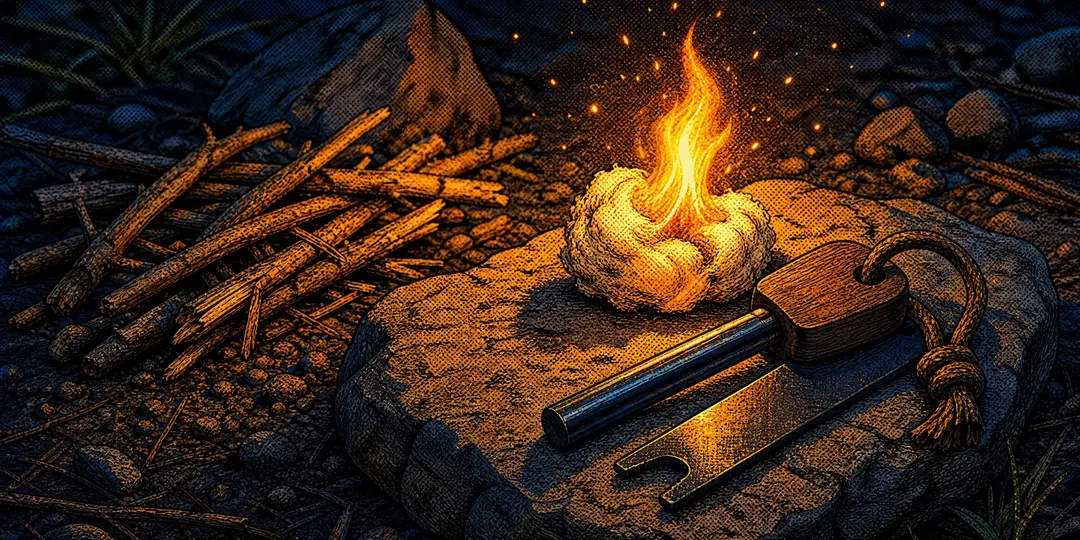
How to use a ferro rod when it throws sparks but won’t light: the five reasons it fails, the fix for each, and a drill that gets you to fire in five strikes.
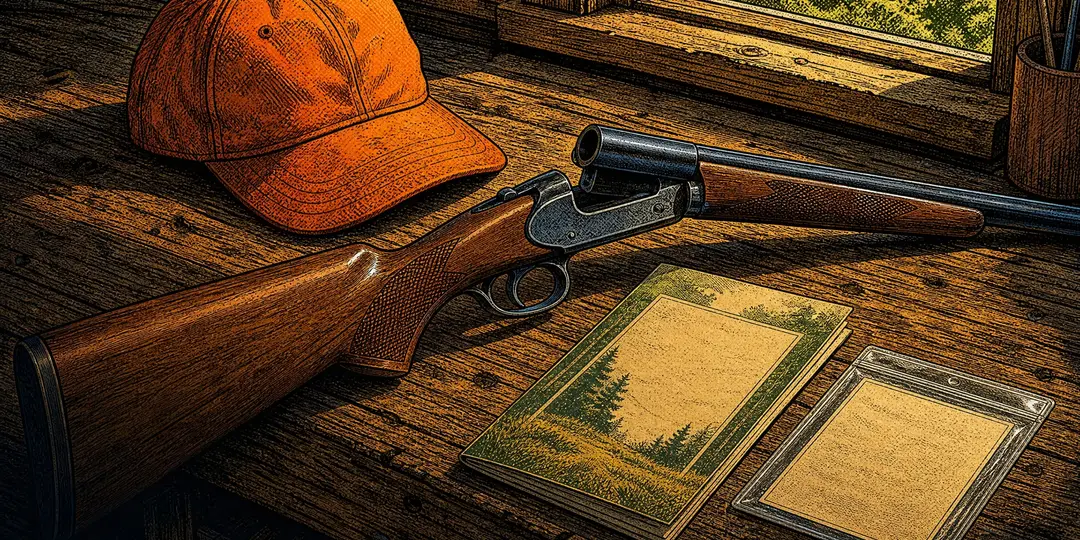
Small-game hunting for beginners: the license, the hunter-ed course, what it costs, how much food it really yields, and why it is a skill, not a food plan.
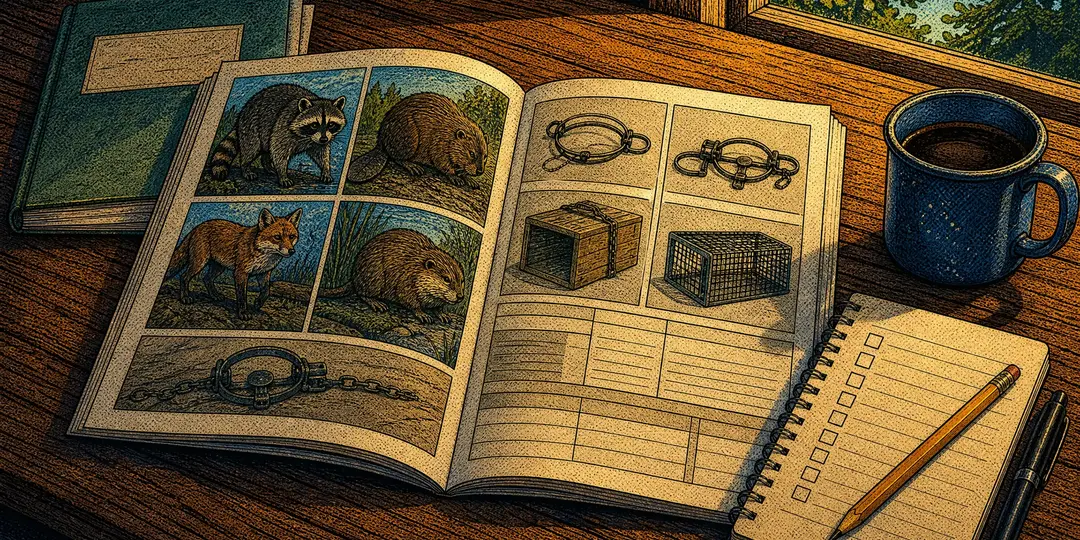
Trapping laws by state, as a checklist: ten questions to answer from your wildlife agency before you set any trap, from license and season to check interval.
We use Google Analytics cookies to count visits and see which guides help. No ads, nothing sold. Cookie policy






 4
Comments
No comments yet. Read the comment guidelines before posting.