An unloaded single-shot .22 rifle with its action open, an orange hunting cap, a printed state hunting regulations booklet and a license in a plastic sleeve on a wooden workbench in daylight.
Small-game trapping and hunting: the legal, practical basics
Small-game hunting for beginners: the license, the hunter-ed course, what it costs, how much food it really yields, and why it is a skill, not a food plan.
Shane RichardOct 16, 20268 min readGuide · Complete guide
Where small-game hunting actually starts: the license, the regulations booklet and an unloaded rifle with its action open.
Small-game hunting and trapping are real, useful outdoor skills, and they are also some of the most regulated activities an ordinary person can take up. Before you set foot in a field you need a license, almost certainly a hunter education certificate, the current season dates and bag limits for your state, and permission for the land you are standing on. None of that is hard. All of it comes first.
This guide is the honest version: what small-game hunting and trapping involve for a beginner, how to get legal, how much food they realistically produce, and why they belong on the skills list rather than in the food plan. If you are thinking about trapping specifically, read the trapping laws checklist before you buy a single trap.
Licenses, hunter ed and the rules that change every year
Hunting in the US is regulated state by state, by the state fish and wildlife agency (the name varies: Department of Natural Resources, Fish and Game, Game and Fish, Parks and Wildlife). That agency publishes everything you need, usually as a free regulations booklet or web page that is updated every season. Search “[your state] hunting regulations” and use the result on the agency’s own site, ending in .gov or the state’s official domain.
What you will need, in the order you will need it:
Requirement
What it is
Typical cost and time
Where to find it
Hunter education certificate
A course on safety, ethics, law and wildlife; required for new hunters in nearly every state, often by birth year
Free to about $30; online portion plus a field day, roughly 6–12 hours in total
State wildlife agency; many states list classes on one search page
Hunting license
The basic permission to hunt; resident and non-resident rates differ widely
Roughly $15–50 for a resident small-game license; non-resident much more
A separate license in most states; some require a trapper education course too
Varies by state
Same agency; the furbearer or trapping section
Seasons and bag limits
Dates you may hunt each species, how many per day and in possession
Free
The current year’s regulations booklet
Land access
Written or verbal landowner permission, or the rules for public land
Free to a lease fee
Landowner; agency maps of public hunting areas
A few things trip beginners up. Seasons differ by species and sometimes by zone within a state. Some species have no closed season and some are protected entirely. Public land has its own rules on top of the state’s, including which firearms or methods are allowed and whether blaze orange is required. And legal shooting hours, transport rules and tagging or reporting requirements are all in the same booklet. Read it cover to cover once; it is shorter than it looks.
This is general information, not legal advice. If something in the regulations is unclear, call the agency. Game wardens and agency staff answer these questions every day and would much rather you ask.
The realistic yield: why this is not a food plan
The fantasy version of hunting as a prep goes like this: when the shelves are empty, you walk out and come back with dinner. The arithmetic says otherwise.
A cottontail rabbit gives somewhere around a pound (0.45 kg) of meat, and a gray squirrel considerably less. Rabbit and squirrel meat is very lean, roughly 500–700 calories per pound. A competent hunter having a good day, in season, on land with game, might bring home two or three animals after several hours of walking, waiting and cleaning. Call it 1,000–2,000 calories for a day’s work, before the calories spent getting it.
Source
Calories for the effort
Reliability
A day of small-game hunting
Roughly 1,000–2,000 on a good day, often zero
Depends on season, land, weather and skill
A checked trapline
Highly variable; many days produce nothing
Legal only where and when trapping is allowed
A 10 lb (4.5 kg) bag of rice
About 16,000
Sits on a shelf for years
A small potato or bean bed
Thousands per season
Predictable, legal everywhere
A family of four eats something like 8,000 calories a day. There is also a nutritional problem: meat this lean, eaten without enough fat or carbohydrate, does not sustain anyone for long. And in any widespread emergency, every other person with the same plan is in the same woods, which is exactly why seasons and bag limits exist.
That is why the two-week pantry and, if you have the space, calorie crops for a small yard come long before hunting on this site. Hunting is a skill worth having. It is a poor substitute for food you already own.
"Hunting is a skill worth having. It is a poor substitute for food you already own."
The yield, in one line
Small-game hunting for beginners: three ways to start
Take hunter education first, even if you are not required to
The course is cheap or free, it is written by people whose job is keeping new hunters alive, and it covers firearm handling, shot placement, ethics, wildlife identification and the law. Many states offer an online module and an in-person field day where you handle firearms under supervision. It is also the fastest way to meet people who hunt locally.
Find a mentor
Most experienced hunters learned from a parent, relative or friend, and the skills that matter (reading land, being still, shooting cleanly, field dressing) transfer best in person. Many state agencies now run “learn to hunt” or mentored-hunt programs for adults, and conservation organizations run their own. Your hunter-ed instructor will know who runs them locally. A mentor also tells you where you are allowed to go, which is half the battle.
Start small, with the right tool where it is legal
Squirrel and rabbit are the traditional starting species because seasons are long and the stakes of a missed shot are low. In many states a .22 rimfire rifle or a shotgun is the usual tool; some states also allow air rifles of a certain caliber or power for small game, and some do not. Check the legal-methods section of your regulations before buying anything. If you do not yet own a firearm, read before your first firearm before you shop: training, storage and the law come before the purchase.
Typical squirrel and rabbit country: the edge where woods meet field. Whose land it is, and what season it is, matter more than how good it looks.
Trapping: a separate skill with stricter rules
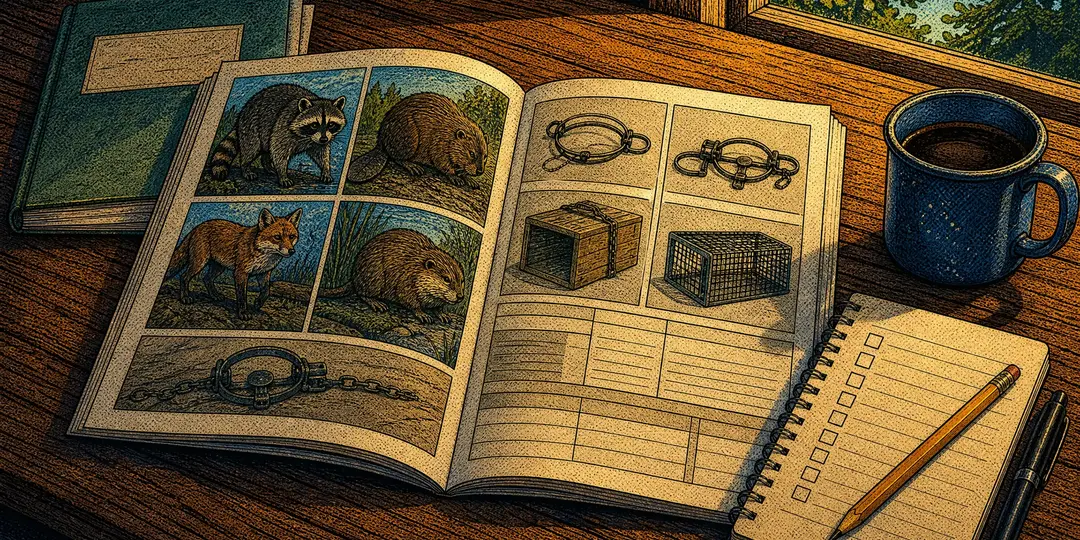
Trapping is not a cheaper or easier version of hunting. It usually needs its own license, often its own education course, and it comes with rules on trap types and sizes, where traps can be set, how they must be marked with your name or ID, and how often they must be checked, commonly every 24 hours, though states differ.
Snares in particular are illegal or heavily restricted in many states. Some states ban snares and body-gripping traps for recreational trapping entirely; others allow only specific cable restraints with relaxing locks, during specific seasons, in specific sets. Massachusetts, Colorado, Washington and California, among others, have broad restrictions on body-gripping traps or snares, and Arizona restricts them on public land. Rules change, so check your own state’s current regulations rather than this list.
The survival-manual picture of snares strung through the woods is the opposite of legal trapping: unattended, unmarked, unchecked devices that catch pets and non-target animals. Do not set any trap or snare, anywhere, until you have read your state’s rules and hold the right license. The trapping laws checklist walks through every question to answer first.
Firearm safety and storage
If hunting brings a firearm into the house, the safety work starts at home, not in the field. The four basic rules taught in every hunter-ed course apply everywhere: treat every firearm as loaded, never point the muzzle at anything you are not willing to destroy, keep your finger off the trigger until you are ready to shoot, and be sure of your target and what is beyond it.
At home, firearms should be stored unloaded and locked, with ammunition stored separately, especially with children in the house. Many states have child-access prevention laws that make this a legal duty, not just good practice. Safe storage with kids in the house covers safes, cable locks and the conversation with your children. In the field, wear blaze orange where required and treat the hunt as over the moment anyone is unsure where everyone else is.
Where this fits in the skills list
Hunting teaches patience, attention to land and weather, and a direct relationship with where meat comes from. Those are good reasons to learn it, and in the right season it puts real food on the table. It is also a long apprenticeship: most people take a few seasons to become consistently successful.
So treat it like any other skill on the survival skills that matter, in order: learned slowly, practiced legally, and not relied on. Do the course this winter, find a mentor, hunt the next season. Keep the pantry full regardless.
Quick answers
Do you need a license to hunt rabbits and squirrels?
Yes. Every US state requires a hunting license for small game, and nearly every state requires new hunters to pass a hunter education course first, often depending on birth year. A resident small-game license typically costs roughly $15–50. Seasons, bag limits and legal methods are set each year by the state wildlife agency, so read the current regulations before hunting.
How long does a hunter education course take?
A hunter education course usually takes roughly 6–12 hours in total, often an online module plus an in-person field day, and costs from nothing to about $30. It covers firearm handling, shot placement, ethics, wildlife identification and the law. Your state fish and wildlife agency lists classes, and the course is worth taking even where it isn’t required.
Can you feed a family by hunting small game in an emergency?
No. A good day of rabbit or squirrel hunting yields roughly 1,000–2,000 calories of very lean meat, and often nothing, while a family of four eats something like 8,000 calories a day. A 10 lb bag of rice holds about 16,000 calories. Small-game hunting is a skill worth learning, not a substitute for a stocked pantry.
Are snares legal to use?
Snares are illegal or heavily restricted in many US states, and some states ban snares and body-gripping traps for recreational trapping entirely. Where trapping is allowed, it usually needs its own license, marked traps and regular checks, commonly every 24 hours. Rules change, so check your state wildlife agency’s current regulations before setting any trap or snare.
Printable
Skills inventory checklist (PDF, 1 page). Note what you have learned, what course you took and when, and what to practice next.
Shane is a disabled US Army veteran who served as an M1A1 tank crewman, then spent his career in technology and manufacturing supply chains, keeping parts moving through COVID. He, his wife Heather and their three kids have ridden out tornadoes, the February 2021 Texas freeze, the 2026 floods in Northeast Texas and power outages that lasted days. He started Prepping Expert to give families the plain, affordable, step-by-step version he wished he'd had.
Trapping laws by state, as a checklist: ten questions to answer from your wildlife agency before you set any trap, from license and season to check interval.
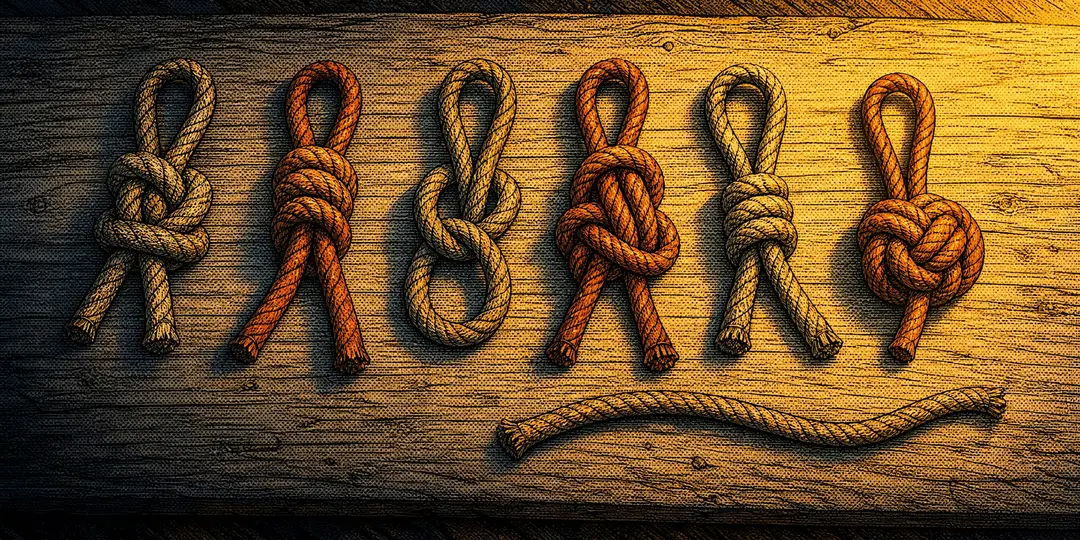
Six basic knots everyone should know, from the bowline to the sheet bend: what each is for, the one mistake people make with each, and a practice routine.





 4
Comments
No comments yet. Read the comment guidelines before posting.