A suburban front path at night lit by a single warm motion light over the door, the lawn and porch clearly visible, neighboring porch lights on in the background.
Lighting, dogs and neighbors: the layers before any weapon
How to deter burglars without a weapon: motion lights at the doors, a dog that barks and a street that notices, with rough costs and the order to do it.
Light where someone would approach, not across the whole yard. The neighbors’ porches matter as much as yours.
Someone choosing a house to break into wants three things: nobody home, nobody watching and an easy way in. Deterring burglars means taking those away. Hardware at the door deals with the easy way in. This guide covers the other two: light that makes approaching visible, a dog that makes noise, and neighbors who notice. None of these is aimed at a person, all of them work before anything happens, and together they make a house a worse choice than the one down the street. That is most of what home defense means for a normal household.
Lighting that deters, and lighting that annoys
The goal of security lighting is simple: anyone approaching a door or window should be visible, to you and to the street, and should know it. That argues for light that changes when someone arrives, at the places they would arrive.
What works:
Motion-sensor lights over each exterior door and the side gate. A light that clicks on is noticed by the person approaching and by anyone looking out. LED motion lights cost $25–50 each and run on very little power.
A porch light on a dusk-to-dawn sensor. It makes the front door and house number visible, which also helps emergency services find you.
Lamp timers inside so rooms light and darken in a normal pattern when you are away.
Aiming down, not out. Fixtures angled at the ground light the path without blinding the person looking out the window.
What annoys and does less:
Very bright floodlights on all night. They create glare that hides people standing at the edge of the beam, deep shadows beyond it, and a neighbor who now resents your house. Glare also makes it harder for anyone, including you, to see out.
Lights placed where nobody would look. A lit back corner that no window faces helps the intruder see what they are doing.
Motion sensors set too sensitive. If every cat sets it off, everybody stops looking.
Light
Where
Rough cost
Worth it?
Motion-sensor LED
Each exterior door, side gate, garage
$25–50 each
Yes: the core of the layer
Dusk-to-dawn porch bulb
Front door
$8–15
Yes
Indoor lamp timers
Living room, a bedroom
$10–20 for a pair
Yes, when away
Solar path or motion lights
Where wiring is awkward
$15–40
Yes, if the panel gets sun; dimmer in winter
All-night floodlights
Whole yard
$40–100 plus power
Rarely; glare and neighbor friction
The side gate is where most people forget to put a light, and where someone heading for the back door would walk.
Cameras: what they actually achieve
A doorbell camera or a camera over the main door is useful, but it helps to be clear what for. Its main effect is on casual, opportunistic attempts: someone checking whether a door is unlocked or a package is unattended is more likely to move on from a house with a visible camera. Its second job is afterward, giving police and insurers something to work with, though footage of a hooded figure at night often isn’t enough to identify anyone.
What cameras rarely do is stop someone who has already decided to come in. They also bring costs that are easy to underestimate: monthly subscriptions for stored video, a Wi-Fi network to secure, and the habit of watching alerts all day. Point cameras at your own property, not into a neighbor’s windows or yard; several states have rules on audio recording, so check before enabling it. And lock down the account with a strong password and two-factor sign-in; the five-minute account lockdown walks through it.
One camera on the main approach is enough for most houses. A fake camera is a waste of money: they are usually recognizable, and they do nothing afterward.
Dogs: the realistic effect, cost and commitment
Ask anyone who has thought about which house to avoid and a barking dog comes high on the list. A dog is noise, unpredictability and the likelihood that someone is home. In that sense the reputation is fair.
But the dog does the deterring by being a dog, not by being trained to attack. Any dog that barks at the door does most of the job. A dog trained for protection is a different, specialized and expensive thing, with real liability if it bites the wrong person, and it is not what a family needs.
The honest arithmetic: a dog lives 10–15 years, costs roughly $1,000–3,000 a year once food, vet care, insurance and boarding are counted (more for large breeds), needs daily exercise and company, and changes how you travel and evacuate. A dog also adds food, water and medication to the emergency kit and a crate to the evacuation plan. If your household wants a dog, the security effect is a pleasant bonus. If the only reason is security, the lights and the strike plate are a far cheaper way to the same place.
A “Beware of dog” sign without a dog does little; a sign with a dog can, in some states, matter for liability. Ask your insurer.
"Get a dog because the family wants a dog. The security is a side effect, and it’s the dog’s noise that does it."
The dog question, in one line
Neighbors: the one conversation and the group chat
The cheapest and most effective layer is a street where people know who lives where and notice what is out of place. It costs a conversation.
The one conversation. Introduce yourself to the households on either side and across the street, if you haven’t. Swap phone numbers. Say when you’re away, and ask them to do the same. Agree on the simple favors: take in packages, move the trash cans, glance at the house, call if something looks wrong. This takes about ten minutes per house.
The group chat. A street-level group chat or text thread, ten to thirty households, does what a formal Neighborhood Watch did, with less effort. Keep it to practical things: an open garage door, a lost dog, a power outage, a car with its lights on, who has a generator. Set two rules early: describe behavior, not people (“someone trying car door handles at 2am”), and call 911 for anything happening now rather than posting about it. Groups that drift into suspicion of anyone unfamiliar do more harm than good.
The same group is what makes the street resilient in a storm: who has an older neighbor living alone, who has a chainsaw, who has a medical need when the power’s out. If you want to go further, finding a local preparedness group that isn’t weird covers the next step.
How to deter burglars, layer by layer
This weekend: the hardware list and the habit of locking up.
Next weekend: motion lights at the doors and the side gate; a dusk-to-dawn porch bulb.
This month: the conversation with three neighbors and a street chat.
If you want one: a single camera on the main door, account secured.
Yes, when they are over the doors and side gate, where someone would approach. A light that clicks on is noticed by the person approaching and by anyone looking out. LED motion lights cost $25–50 each. All-night floodlights do less: they create glare and deep shadows where someone can stand unseen, and they annoy neighbors.
Do security cameras actually deter burglars?
Security cameras mostly deter casual, opportunistic attempts, such as someone checking for an unlocked door or an unattended package. Their second job is giving police and insurers footage afterward. They rarely stop someone who has already decided to break in. One camera on the main approach is enough for most houses, with the account locked down by two-factor sign-in.
Does having a dog deter burglars?
A barking dog does deter, because it means noise, unpredictability and probably someone home. Any dog that barks at the door does most of the job; protection training is not needed. But a dog lives 10–15 years and costs roughly $1,000–3,000 a year, so get one because the family wants a dog, not for security.
Are fake security cameras worth buying?
No. Fake security cameras are usually recognizable, and they do nothing afterward, when real footage is most useful to police and insurers. If you want a camera at all, one real camera on the main door, with a strong password and two-factor sign-in on the account, does more than several dummies.
What is the cheapest way to make a house safer?
Talking to your neighbors. Introduce yourself to the households on either side and across the street, swap numbers, say when you are away and agree on simple favors like taking in packages. It takes about ten minutes per house. A street group chat of ten to thirty households does most of what a formal Neighborhood Watch did.
Printable
Defense & security inventory checklist (PDF, 1 page). The lights, locks and other security layers on one sheet, to check off as each is in place.
Picks that match the specs in this guide, from makers with a track record. We haven't tested them yet. As an Amazon Associate we earn from qualifying purchases, at no cost to you. Add what you need to my list, then send the whole list to your Amazon cart all at once. Prices and availability are accurate as of the date and time shown and are subject to change. The price and availability shown on Amazon.com at the time of purchase will apply.
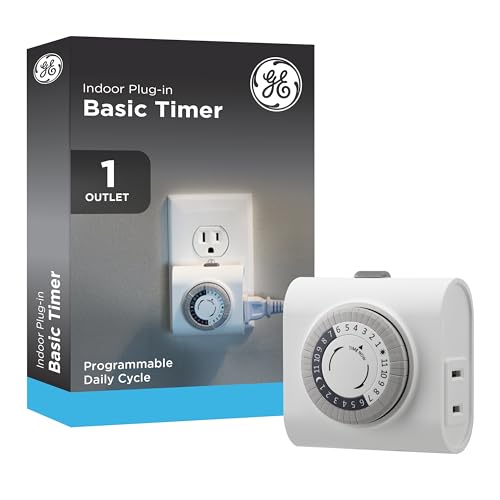
GE Lighting
GE LED+ Dusk to Dawn A19 Outdoor Bulb, Soft White, 2 Pack
Standard A19 bulbs with a built-in light sensor that switch on at dusk and off at dawn in an existing porch fixture.
Black Friday Deal
$9.53$11.22 ($4.77 / count) on Amazon as of Nov 24, 7:06 a.m. CT
Good to know: Fixtures with their own photocell or a closed glass shade can confuse the sensor.
Shane is a disabled US Army veteran who served as an M1A1 tank crewman, then spent his career in technology and manufacturing supply chains, keeping parts moving through COVID. He, his wife Heather and their three kids have ridden out tornadoes, the February 2021 Texas freeze, the 2026 floods in Northeast Texas and power outages that lasted days. He started Prepping Expert to give families the plain, affordable, step-by-step version he wished he'd had.
A budget home security checklist: about $200 of screws, bars and lights for how most break-ins actually happen, with prices, install notes and a renter version.
What is tactical gear? Mostly a costume with a markup. The useful part is durable, organized kit; here is the one-question test and what this section skips.
We use Google Analytics cookies to count visits and see which guides help. No ads, nothing sold. Cookie policy






 4

Comments
No comments yet. Read the comment guidelines before posting.