Prepper Black Friday Deals
A family SUV parked at a dispersed campsite on a gravel forest road in late afternoon, a tent pitched beside it, a camp stove on a folding table and a small recovery board strapped to the roof rack.
Bug out vehicles / transportation & overlanding

Overlanding basics for a family SUV

Overlanding for beginners in the SUV you already own: tires, a $200–400 recovery kit, what not to attempt, and a first trip the family will enjoy.

Shane RichardOct 16, 20268 min readGuide
This is most of what overlanding means for a family: a gravel road, a flat spot, a tent and a stove, two hours from home.

Overlanding for beginners is simpler than the marketing suggests: it means driving somewhere on unpaved roads and camping out of the vehicle. A normal family SUV, including most all-wheel-drive crossovers, can do a great deal of it: forest service roads, graded gravel, established campsites and plenty of dispersed camping on public land. What it can’t do is the rock crawling and deep mud in the videos, and the trick to enjoying it is knowing which is which.

This guide covers the small amount of gear that makes a family SUV capable on dirt roads, the trips not to try, the camping kit that keeps children happy, and a first-trip plan. It is also, quietly, a preparedness guide: every weekend spent this way rehearses the skills an evacuation needs. The pillar for the topic, the best bug out vehicle is the one you own, covers the maintenance that comes first.

Tires and pressure come first

Tires are the single biggest factor in what your SUV can do off pavement, and the place to spend first.

What’s on the car now. Most family SUVs leave the factory on highway or all-season tires. They are fine on graded gravel and dry dirt at sensible speeds. They are weakest on sharp rock, where the thin sidewalls cut, and in mud. If your trips stay on maintained forest roads, good all-season tires with decent tread are enough.

All-terrain tires. If you go further or more often, a set of all-terrain tires in your car’s original size is the one upgrade worth making. They have tougher sidewalls and better grip on loose surfaces, at the cost of some road noise, fuel economy and wet-road braking. Stick to the original size; bigger tires can affect gearing, speedometer accuracy and the car’s stability systems.

Airing down. Lowering tire pressure lengthens the contact patch and smooths washboard gravel. For a stock SUV on passenger tires, keep it modest, around a fifth to a quarter below the door-placard pressure, drive slowly, and air back up before you return to pavement speeds. Going much lower risks rolling a tire off the rim. A tire gauge and a 12 V compressor ($50–150) make this practical; without a compressor, don’t air down at all.

A plug kit and the spare. A tire plug kit ($15–30) fixes most tread punctures from nails and sharp stones, and it is worth practicing on an old tire at home. Know where your spare is, whether it is full-size or a temporary, and how fast and far the temporary can go.

The recovery kit, and how not to need it

Getting stuck in a family SUV usually means one wheel spinning in sand, snow or soft dirt. A small kit gets you out of most of that.

ItemWhat it’s forPrice band
Traction boards (a pair)Wedged under the spinning wheels to drive out of sand, snow or mud$100–300
Folding or short-handled shovelClearing in front of the tires and under the car$20–50
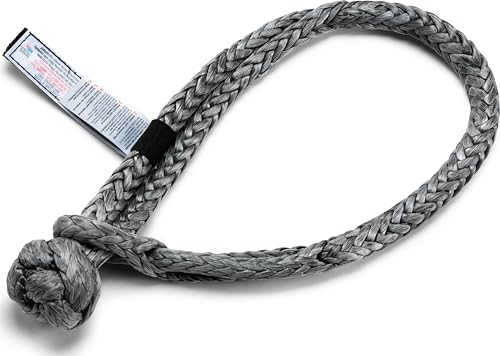
Rated recovery strap and soft shacklesBeing pulled out by another vehicle$50–120
12 V compressor and gaugeAiring down and back up$50–150
Tire plug kitFixing a puncture on the trail$15–30
Work gloves, headlampDoing all of the above safely$20–40

Recovery points matter. A strap must attach to a rated recovery point, never to a tow ball, a tie-down loop or a suspension part; those can break and turn into projectiles. Many crossovers only have a screw-in tow eye meant for pulling the car onto a flatbed. Check your manual. If your car has no rated recovery point, use the boards and shovel, and leave the strap to a recovery service.

The best recovery is not getting stuck. Walk anything you can’t see the end of, stop before soft sand or mud rather than in the middle of it, keep momentum steady rather than fast, and turn around early. Above all, the spinning wheel never gets you out; it digs you in.

Kinetic recovery and winching are worth learning from a local off-road club or a recovery course before you try them. Both can injure people if done wrong.

What not to attempt

The useful list for a stock SUV is shorter than the list of things it can do:

  • Water of unknown depth. You can’t see the bottom, the current or the hole. Air intakes on many crossovers sit low, and water in the engine ends the trip and possibly the car.
  • Deep mud or ruts deeper than your ground clearance.
  • Roads marked for high-clearance 4×4 only on the Forest Service motor vehicle use map or a BLM map. They mean it.
  • Remote roads alone. Go with a second vehicle until you know what you’re doing, and tell someone your route and return time.
  • Anything after dark you haven’t seen in daylight.
  • Washes or canyons with rain forecast upstream.

Camping kit for a family

The aim is comfort, not minimalism. A family that sleeps badly and eats cold food doesn’t go a second time.

  • A tent big enough for everyone plus the bags, or a roof or rear-hatch setup if you already own one. A family dome tent is fine.
  • Sleeping pads and bags rated for the coldest night you expect; children feel the cold first. Sleeping bag temperature ratings, decoded explains the numbers.
  • A two-burner camp stove, fuel and one pot and one pan. Survival stoves compared covers fuel types.
  • A cooler and a plan for ice.
  • Water: roughly 1–2 gallons per person per day for drinking, cooking and washing dishes, carried in jugs.
  • A tarp for shade or rain over the table; tarp shelters has the pitches.
  • Light: a headlamp each and a lantern for the table.
  • A trowel and bags for toilet waste where there are no facilities, and a habit of packing out all trash.
  • Offline maps and a paper map. Download the area before you leave, and carry the paper one; see compass and map for people who rely on their phone.

Most of this is the camping gear a family might already own, and it doubles as outage gear at home.

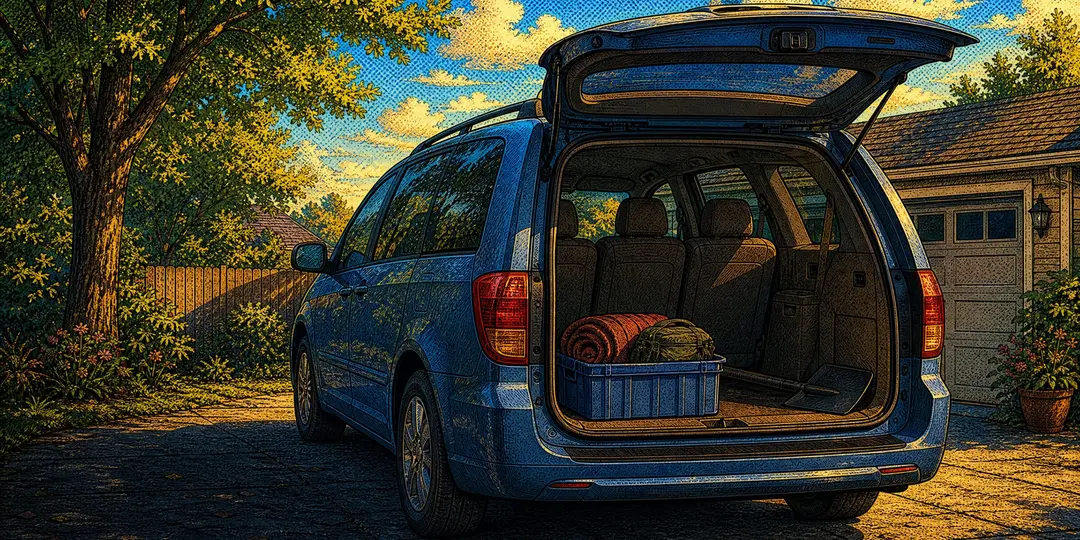
The open rear hatch of an SUV packed with labeled plastic crates for kitchen, sleep and recovery gear, two water jugs and a cooler, a folded tarp on top, in daylight.
Pack in labeled crates by job: kitchen, sleep, recovery. It makes camp faster and it is exactly how you would pack for an evacuation.

Overlanding for beginners: a first trip plan

Keep the first one small enough that nothing can go badly wrong.

  1. Pick an established campground within two hours that is reached by a graded gravel road. National forests and state parks have plenty; book a site with a toilet.
  2. Go for one night, in mild weather, on a weekend with a good forecast.
  3. Pack the night before using the crates, and time how long it takes.
  4. Air down on the gravel if you have a compressor, and air back up at the pavement.
  5. Cook dinner and breakfast on the stove, nothing ambitious.
  6. On the drive home, write down what you forgot, what nobody used, and what the children liked.

After two or three of those, try a dispersed site on a forest road, still within reach of help, and then a longer trip. Many national forests and BLM areas allow dispersed camping with limits on stay length and site location; check the local rules before you go.

How it doubles as preparedness practice

Every trip quietly rehearses the parts of an evacuation that are hard to practice any other way:

  • Packing the car fast, by crate, with everything in a known place.
  • Driving unfamiliar roads with a paper map.
  • Cooking, washing and going to the toilet without a kitchen or bathroom.
  • Sleeping cold and finding out whose bag isn’t warm enough before it matters.
  • Knowing the car: where the spare is, how the jack works, what the tires feel like on loose ground.

A family that has done a few nights of car camping meets a week-long outage or a night at a relative’s house with much less fuss, because none of it is new. That is the real return on a weekend in the woods, and it is a much better use of money than a lift kit.

Quick answers

Can you go overlanding in a stock SUV or crossover?

Yes, on the right roads. A normal family SUV, including most all-wheel-drive crossovers, handles forest service roads, graded gravel, established campsites and plenty of dispersed camping on public land. It can’t do rock crawling, deep mud, water of unknown depth or roads marked for high-clearance 4×4 only. Go with a second vehicle until you know what you’re doing.

Do I need all-terrain tires for overlanding?

Not for maintained forest roads; good all-season tires with decent tread are enough there. If you go further or more often, all-terrain tires in your car’s original size are the one upgrade worth making, for tougher sidewalls and grip on loose surfaces. Expect some extra road noise, lower fuel economy and longer wet-road braking.

How much should I air down tires on gravel?

For a stock SUV on passenger tires, air down modestly: about a fifth to a quarter below the pressure on the door placard. Drive slowly, and air back up before returning to pavement speeds. Going much lower risks rolling a tire off the rim. Only air down if you carry a gauge and a 12 V compressor ($50–150).

What recovery gear do I need for a family SUV?

A basic recovery kit of traction boards, a short shovel, a rated recovery strap with soft shackles and a tire plug kit costs about $200–400. Add a 12 V compressor and gauge ($50–150) for airing down, plus gloves and a headlamp. Only use a strap on a rated recovery point, never a tow ball or tie-down loop; many crossovers don’t have one.

Printable

Bugging out & mobility inventory checklist (PDF, 1 page). The car kit, the recovery kit and the crate list for packing fast.

Gear for this guide

Picks that match the specs in this guide, from makers with a track record. We haven't tested them yet. As an Amazon Associate we earn from qualifying purchases, at no cost to you. Add what you need to my list, then send the whole list to your Amazon cart all at once. Prices and availability are accurate as of the date and time shown and are subject to change. The price and availability shown on Amazon.com at the time of purchase will apply.

  • Gerber

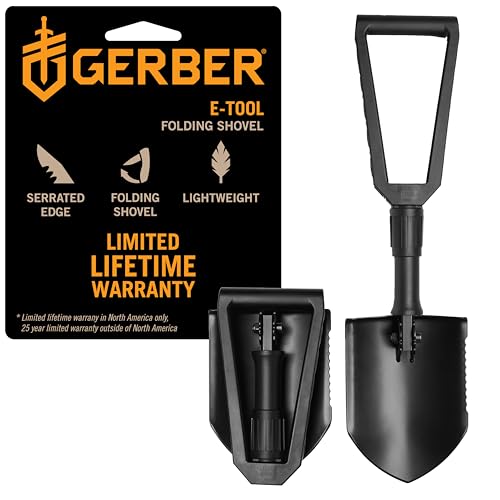
    Gerber E-Tool Folding Spade

    Folding steel spade that fits behind a car seat, for digging out snow or a stuck tire.

    Black Friday Deal

    $67.99 $79.99 on Amazon as of Nov 24, 7:06 a.m. CT

    View on Amazon
  • Boulder Tools

    Boulder Tools Tire Plug Kit

    Professional-style plug/reamer kit for tubeless tires.

    $29.99 on Amazon as of Nov 24, 7:06 a.m. CT

    Sold by Boulder Tools, not Amazon

    View on Amazon
  • MAXTRAX

    MAXTRAX MKII (pair, black)

    MKII vehicle recovery boards from MAXTRAX.

    $223.99 on Amazon as of Nov 24, 7:06 a.m. CT

    Sold by Rack Attack, not Amazon

    View on Amazon
  • ARB

    ARB 30 ft snatch strap, 24,000 lb MBS (ARB710LB)

    3-1/4 in x 30 ft, 24,000 lb minimum breaking strength, reinforced eyes, protector sleeves.

    $99.95 ($3.33 / feet) on Amazon as of Nov 24, 7:06 a.m. CT

    Sold by Addiction4WD, not Amazon

    View on Amazon
  • Factor 55

    Factor 55 Standard Duty Soft Shackle (7/16 in x 10 in)

    Synthetic soft shackle rated to 39,000 lb break strength, lighter and safer than a steel shackle.

    $57.93 on Amazon as of Nov 24, 7:06 a.m. CT

    Sold by Deep Discount Dealer, not Amazon

    Good to know: Use only with rated recovery points; never on a tow ball.

    View on Amazon

Share this with someone who’d use it

Some links on this page may be affiliate links; see our affiliate disclosure. Nothing here is medical or legal advice; check your local regulations.

Corrections

None yet.

Shane Richard

Written by

Shane Richard

Shane is a disabled US Army veteran who served as an M1A1 tank crewman, then spent his career in technology and manufacturing supply chains, keeping parts moving through COVID. He, his wife Heather and their three kids have ridden out tornadoes, the February 2021 Texas freeze, the 2026 floods in Northeast Texas and power outages that lasted days. He started Prepping Expert to give families the plain, affordable, step-by-step version he wished he'd had.

Comments

No comments yet. Read the comment guidelines before posting.

Popular guides

Topics

Tags

The weekly checklist

One preparedness job by email every Sunday. Five minutes.

The weekly checklist

One thing to do this week. Five minutes, every Sunday.

A single preparedness task by email, in the order we'd do them. No launches, no discounts, unsubscribe in one click.

Before you go

Take the one-page household checklist with you.

Forty lines. Check off what you have, circle what you don't, do one circled item a week. We'll email the PDF and the Sunday checklist; drop either any time.

Done

You're on the list.

First email lands Sunday. Check your spam folder once, then it'll behave.

We store your address and nothing else. Privacy