


A winter car emergency kit has one job: to keep the people in a stranded car warm, hydrated and visible until help arrives or the road reopens, which can take hours. Most of what keeps you safe in a cold car is insulation, water and patience, not equipment. The list below costs about $120–250 if you buy all of it new, and much of it is probably already in your house.
This list adds to the year-round kit in the best bug out vehicle is the one you own. What to do with it, hour by hour, is in stuck in snow: the hour-by-hour plan. Quantities assume the seats you usually fill; a family of four needs four of everything marked “per person.”
The winter car emergency kit, item by item
Staying warm
- Sleeping bag, or two heavy blankets — one per person you regularly carry — insulation around the body is what keeps you warm with the engine off ($40–100 a bag; a used or old one is fine).
- Wool or fleece hat, gloves and thick socks — one set per person — people are dressed for the drive, not the wait ($20–40 a set).
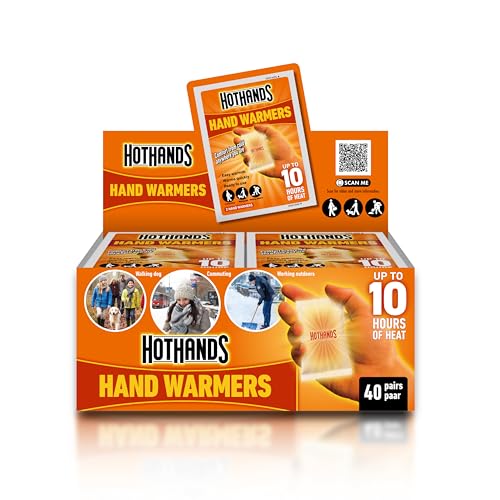
- Chemical hand and foot warmers — a box of 10 or more pairs — cheap and light, they fill the gaps between engine runs ($10–20).
- Foil emergency blankets — one per person — a backup layer under the blanket, never instead of it ($5–10 for several).
Light, heat and air
- Emergency candle in a metal tin with a lid, plus matches in a waterproof case — one candle, one box — a little warmth, light and a way to melt snow; burn it only while someone is awake, on a stable surface, with a window cracked about half an inch (1 cm) ($10–20).
- Headlamp with spare batteries, lithium if you can — one per adult — alkaline batteries lose much of their capacity in deep cold ($20–40).
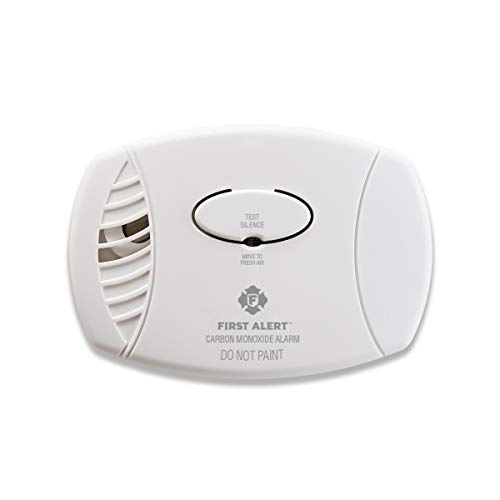
- Battery carbon monoxide alarm — one — warns you if a blocked exhaust is filling the car while the engine runs ($20–40).
Food and water
- Bottled water, filled about three-quarters full, in an insulated bag — at least one quart (about 1 L) per person — full bottles can split when they freeze; part-full ones in insulation stay drinkable longer ($10–20 for the bag).
- Thermos of a warm drink — one, filled before long trips — the one hot thing you can count on ($20–35).
- High-calorie snacks that don’t freeze rock-hard: nuts, peanut butter crackers, chocolate, energy bars — about 1,000 calories per person — eating helps the body make heat ($10–15).
Getting out and being found
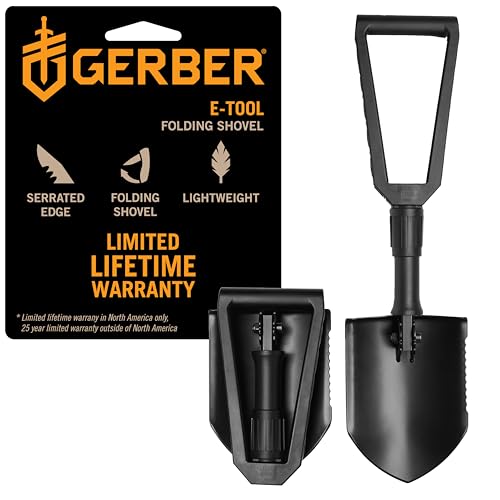
- Compact or folding shovel — one — to clear the exhaust pipe and dig out the wheels ($20–50).
- Traction aid: a bag of sand or non-clumping cat litter, or a pair of traction mats — one bag or one pair — for the slide you can still drive out of ($10–40).
- Ice scraper and snow brush — one — you need to see ($10–20).
- Bright cloth or flag for the antenna, and a fold-out “HELP / call police” window sign — one of each — rescuers look for cars that look occupied ($10–20).
- Phone charging cable and a charged power bank — one of each — the phone is your best signal; keep both warm inside your clothes ($20–40).
Also in the crate
- Paper road map with your usual routes marked — one — for when the phone loses signal or charge (free to $10).
- Small first aid kit and a day of everyone’s daily medication — one kit — a long delay can run past the next dose (from the house).
- Bucket with a lid, bags and toilet paper — one set — for a long wait, especially with children ($10–15).
What fails first in the cold
Cold is hard on the things people assume will just work. Butane lighters often won’t light when the fuel is very cold, which is why the list says matches. Alkaline batteries and phone batteries lose capacity fast, so keep the phone and power bank in an inside pocket. Water and soft snacks freeze, and so does the candle tin’s lid if it gets wet. Foil blankets tear and do little on their own. None of this is dramatic; it is just why every item has a backup or is kept close to your body.
The rules for the engine, the candle and the crate
Two rules come from established guidance. If the engine runs, the exhaust pipe must be clear of snow and a window cracked; the National Weather Service’s advice is to run it about 10 minutes each hour for heat, and to stay with the car rather than walk off into a storm. Any flame in the car needs the same cracked window and someone awake to watch it. Carbon monoxide has no smell, which is what the alarm is for.
Pack everything in one crate so it moves between cars. Add it in November, take it out in March, refresh the snacks and water, and check the batteries.
The summer version
From April to October, swap the sleeping bag for a light blanket, the warmers and candle for extra water (at least a gallon, 3.8 L, per person), and add window sun shades, sunscreen and a wide-brimmed hat. A car in summer sun gets dangerously hot quickly, so the summer plan is shade and water, and never leaving a child or pet in the car. If you might have to walk, the get-home bag belongs in the trunk all year.
Quick answers
What should be in a winter car emergency kit?
A winter car emergency kit needs a sleeping bag or heavy blankets for each person, hats, gloves and socks, hand warmers, water in an insulated bag, high-calorie snacks, a headlamp, a shovel, traction aids, an ice scraper, a help sign, a charged power bank and a battery carbon monoxide alarm. The whole winter layer costs about $120–250 new.
How long should you run the car engine when stranded in snow?
The National Weather Service advises running the engine about 10 minutes each hour for heat. Before every run, clear snow from the exhaust pipe and crack a window about half an inch (1 cm), because carbon monoxide has no smell. A battery carbon monoxide alarm in the car warns you if the exhaust is blocked.
How do you keep water from freezing in the car?
Fill bottles only about three-quarters full and keep them in an insulated bag, so they freeze more slowly and are less likely to split. On long winter trips, also carry a thermos filled with a warm drink before you leave. Keep a small bottle inside your coat if you are waiting in the car for hours.
Is it safe to burn a candle in a car for heat?
A single emergency candle in a metal tin can be used for a little warmth and light, but only with a window cracked about half an inch (1 cm), on a stable surface, and while someone is awake to watch it. Never sleep with it lit. Insulation, such as a sleeping bag, does far more for warmth than any flame.
Printable
Bugging out & mobility inventory checklist (PDF, 1 page). The winter car kit and the year-round kit, with a box to check and a date for the fall check.


 4

Comments
No comments yet. Read the comment guidelines before posting.