A neatly made queen bed in a small apartment bedroom with the bed skirt lifted to show a row of blue stackable water containers and two flat plastic storage tubs underneath.
Apartment prepping for two: 14 days of water and food in a one-bedroom. Where it goes, what to skip, and the building risks a house never faces.
Shane RichardOct 16, 20269 min readGuide · Complete guide
Fourteen days of water for two people, out of sight under one bed. Small spaces have more storage than they look like they do; it is just in odd shapes.
A one-bedroom apartment holds two weeks of water and food for two people with room to spare. The problem with apartment prepping is never space; it is that the space comes in odd shapes, and most prepping advice assumes a garage. This guide maps where things go in about 600 square feet (56 m²), what to leave off the list entirely, and the three building-specific risks a house never has: stairs, elevators and water that depends on an electric pump.
The targets are the same as everywhere else on this site. One gallon (3.8 L) of water per person per day for fourteen days, two weeks of food you already eat, light, a way to hear news, and a plan. Only the packing changes.
The numbers for a small household
Household
Water for 14 days
Weight
Food for 14 days
Rough footprint
1 adult
14 gallons (53 L)
about 117 lb (53 kg)
one 18-gallon tote
under half a bed
2 adults
28 gallons (106 L)
about 234 lb (106 kg)
two 18-gallon totes or one deep closet shelf
under one queen bed plus a closet floor corner
2 adults, 1 child
42 gallons (159 L)
about 350 lb (159 kg)
three totes
under a bed, a closet floor, and one more spot
Water weighs about 8.3 lb per gallon, which is why the weight column matters: spread it out across several spots rather than stacking 300 lb in one closet corner, and keep it low. If the full detail on quantities and containers is what you need, how much water to store, and where to put it is the companion to this page.
Apartment prepping storage: a map for a one-bedroom
Walk the apartment with a tape measure once. Most people find five usable spots they had never counted.
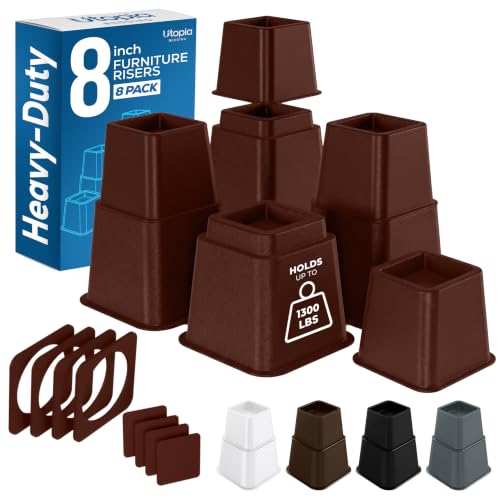
Under the bed. The best water storage in any apartment. A standard bed frame gives 6–12 inches (15–30 cm) of clearance; bed risers add more for $15–25. Flat, stackable 3.5-gallon water containers lie on their sides and slide in and out. Measure the clearance before buying; this is the one place where container shape matters more than price.
The closet floor. Under hanging clothes there is usually 3 feet (90 cm) of dead height. Square 5–7 gallon jugs or a two-tote stack of food fit here, with shoes on top. Keep one corner for the go-bag so it is the first thing your hand finds.
Above the kitchen cabinets. The gap between cabinet tops and ceiling suits light, dry things: paper goods, spare batteries in a labeled box, the camping lantern. Not water, not cans; nothing heavy goes above head height.
Behind and under the sofa. A low tote of canned food behind a sofa that sits off the wall disappears completely. So does a flat bin of first aid supplies.
Inside things you already own. A suitcase you use twice a year can hold three days of food and the paper documents. A cooler can hold the lantern, radio and batteries. Both are already the right shape for leaving in a hurry.
The closet floor under the hanging clothes: two jugs, a tote of food and the go-bag in the corner nearest the door.
Container shapes that fit
Round 5-gallon jugs waste a quarter of every shelf they sit on. In a small space buy flat or square containers, food-grade, with a lid you can open without tools. For food, clear 18-gallon totes with lids stack and let you see what is inside without unstacking. Avoid the 55-gallon drum entirely: it is too heavy for many apartment floors at one point, cannot be moved once filled, and you need a pump to get water out of it.
What to skip in an apartment
A short list of things that make sense in a house with a yard and none in a one-bedroom:
A gas generator. You have nowhere to run it safely. Generators kill through carbon monoxide when run in garages, on balconies near open windows and in stairwells. A battery power station is the apartment answer; see backup power for a normal house for sizing.
Bulk sacks and buckets of grain. Fifty pounds of rice needs a stove, a lot of water and a lot of fuel to become dinner. Canned and ready-to-eat food is better per square foot.
Large fuel stores. Most leases and many local fire codes restrict how much propane or gasoline can be stored in a multi-family building. Read your lease before you buy a single cylinder.
Anything you would have to explain to the building manager. If it would worry the neighbors, it is probably not useful in a two-week outage either.
Cooking without a balcony
Assume you cannot cook outdoors. Many local fire codes ban charcoal and gas grills on the balconies of apartment buildings, and if you have no balcony the question answers itself. Check your lease and your local fire department’s rules before buying anything with a flame.
The order that works in a small space:
A no-cook first week. Canned food is already cooked. Build the first seven days of the pantry around things you can eat cold: canned beans, tuna, chicken, fruit, crackers, peanut butter, cereal with shelf-stable milk. The two-week pantry shows how to price it.
A thermos. Boil water once, when you can, and a good food thermos keeps it hot enough to soak oats or couscous for hours.
A power station with an electric kettle or a single hot plate. A mid-sized station runs a low-wattage kettle for a few boils a day. Check the station’s continuous output against the kettle’s wattage before relying on it; the power station buyer’s guide explains which numbers matter.
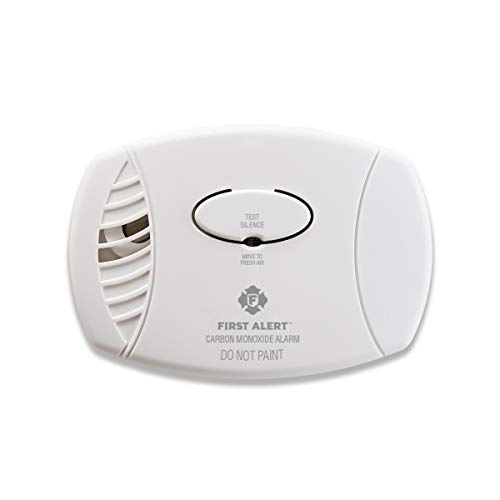
What not to do: camp stoves, charcoal, propane heaters and grills indoors. They produce carbon monoxide, and in a small, sealed apartment that builds up fast. Put a battery-operated carbon monoxide alarm on the list if your unit lacks one; it is $20–40 and it is the one alarm worth owning twice. Cooking when the power’s out covers the options in more detail.
Heat in a cold apartment
Apartments have one advantage over houses in a winter outage: the neighbors. Shared walls, floors and ceilings slow heat loss, and a unit in the middle of a building stays warmer for longer than a detached house would. Corner and top-floor units lose heat faster.
The plan is the same as anywhere else, sized down:
Pick one room, usually the bedroom, and close the door to the rest.
Hang a blanket over the window at night; open the curtains to sunlight during the day.
Sleep in sleeping bags or under layered blankets, in hats and wool socks.
Keep the fridge and freezer shut; they are an insulated box you already own.
Skip indoor propane heaters even if the box says indoor-safe; most leases prohibit them and the margin for error in a small room is thin. If the apartment drops below about 50 °F (10 °C) and stays there, the right plan is usually to go somewhere warm, not to tough it out.
The building’s water pumps
This is the risk most apartment dwellers learn about on the second day of an outage. Municipal water pressure is enough to reach the lower floors of a building, but many taller buildings, often anything above five or six stories, use electric booster pumps to push water to the upper floors. When the power goes, so does the pump, and the upper-floor taps run dry even though the city supply is fine. Some buildings have backup generators for the pumps; many do not, and some only for a few hours.
Two things to do now:
Ask the building manager whether the building uses booster pumps and whether they are on backup power. Write the answer down.
Fill the bathtub when a storm or a planned outage is forecast. A tub holds roughly 40–60 gallons (150–230 L), which is flushing water for days. Use it for toilets and washing, not drinking, unless you used a clean food-grade tub liner made for the purpose.
Toilets still work without power as long as you can pour water into the bowl. Without water at all you need a bucket plan, which sanitation when the water’s off covers.
Stairs, elevators and getting out
Elevators stop in a power outage and must not be used in a fire. If you live on the eighth floor, that is eight flights with everything you carry, every time. It changes three things:
What you store at home matters more than what you plan to buy. Hauling water up eight floors after the storm is miserable. Store it before.
The go-bag weight. Keep it to what you can carry down the stairs at a walk with one hand on the rail.
Neighbors who can’t do stairs. Know who on your floor uses a wheelchair, a walker or oxygen, and tell the building manager you are willing to help.
"In an apartment, what you store before the outage is what you have. The stairs decide the rest."
The apartment rule, in one line
The one-weekend version
If you do one thing this month, do this: measure under the bed, buy enough flat water containers to fill it, fill them from the tap and date them. Then put a two-week box of food you already eat on the closet floor, a headlamp on each nightstand and a battery radio on the shelf above the cabinets. Ask the building manager about the pumps. That is a well-prepared apartment, and none of it is visible when friends come over.
Quick answers
How much water should two people store in an apartment?
Two people need 28 gallons (106 L) of water for two weeks, at one gallon per person per day. That weighs about 234 lb (106 kg), so spread it across several spots and keep it low. Eight flat, stackable 3.5-gallon containers fit under a standard queen bed, which is the best water storage spot in most apartments.
Can I use a camp stove inside an apartment?
No. Camp stoves, charcoal, propane heaters and grills produce carbon monoxide, which builds up fast in a small, sealed apartment. Plan a no-cook first week of canned food instead, then use a thermos and a battery power station running a low-wattage electric kettle. A battery-operated carbon monoxide alarm costs $20–40 and belongs in every apartment.
Why does the water stop on upper floors in a power outage?
Many taller apartment buildings, often anything above five or six stories, use electric booster pumps to push water to the upper floors. When the power goes, the pumps stop and upper-floor taps can run dry even though the city supply is fine. Ask the building manager whether the pumps have backup power, and fill the bathtub before a forecast storm.
Can I run a generator in an apartment?
No. An apartment has nowhere to run a gas generator safely; generators kill through carbon monoxide when run in garages, on balconies near open windows and in stairwells. A battery power station is the apartment answer, and many leases and local fire codes restrict storing gasoline or propane in a multi-family building anyway.
Printable
Living self-reliant inventory checklist (PDF, 1 page). The supplies for this section on one sheet; check off what you have and note where it lives.
Picks that match the specs in this guide, from makers with a track record. We haven't tested them yet. As an Amazon Associate we earn from qualifying purchases, at no cost to you. Add what you need to my list, then send the whole list to your Amazon cart all at once. Prices and availability are accurate as of the date and time shown and are subject to change. The price and availability shown on Amazon.com at the time of purchase will apply.
First Alert
First Alert CO400 battery CO alarm
Battery-operated carbon monoxide detector, single pack.
$21.99 on Amazon as of Nov 24, 7:06 a.m. CT
Good to know: Put one on every level and outside sleeping areas.
Shane is a disabled US Army veteran who served as an M1A1 tank crewman, then spent his career in technology and manufacturing supply chains, keeping parts moving through COVID. He, his wife Heather and their three kids have ridden out tornadoes, the February 2021 Texas freeze, the 2026 floods in Northeast Texas and power outages that lasted days. He started Prepping Expert to give families the plain, affordable, step-by-step version he wished he'd had.
An apartment evacuation plan solves three problems: the stairwell, the neighbors and the meeting point. The plan for each, and the bag that sits by the door.
Helping kids cope after a disaster: keep routines, limit the news, answer questions plainly, and expect a few weeks of clinginess. When to call for help, and who.







 4


Comments
No comments yet. Read the comment guidelines before posting.