Prepper Black Friday Deals
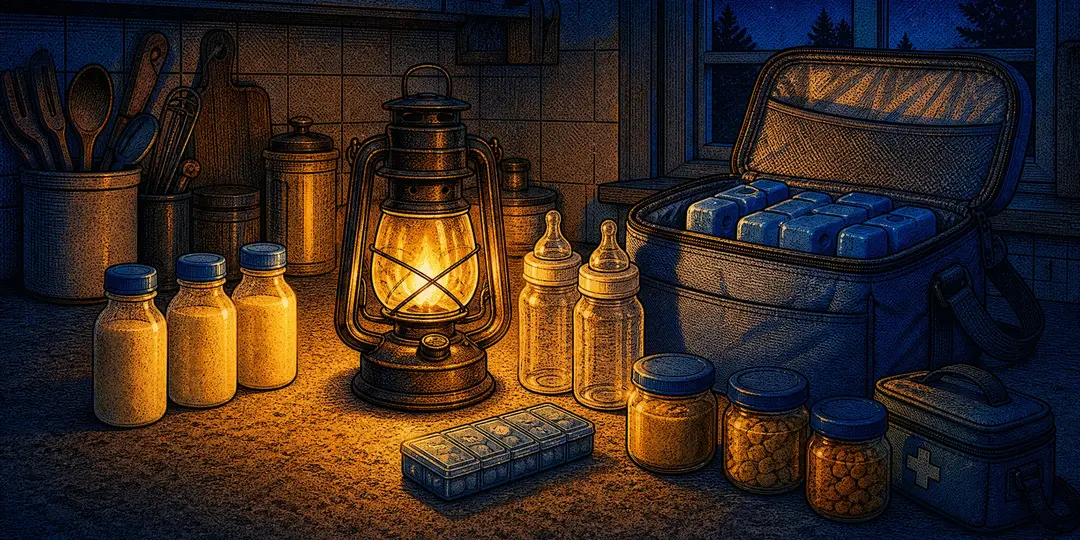
A kitchen counter with a labeled pharmacy bag, a small insulated medicine cooler, two epinephrine auto-injector cases, a pill organizer and a printed medication list beside a phone.
Prepping with special needs

Prepping with medication, allergies or mobility limits

Emergency preparedness for medical needs: daily medication, severe allergies and limited mobility, condition by condition, with the people to ask.

Shane RichardOct 16, 20268 min readGuide · Complete guide
Most of a medical preparedness plan fits on one counter: the medicine, a way to keep it cool, and a list someone else can read.

If someone in your household depends on daily medication, has a severe allergy, or can’t manage stairs and long walks, they go to the top of the preparedness list. A four-day outage that is an inconvenience for most people can be a medical emergency for them. The good news is that emergency preparedness for medical needs is mostly paperwork, phone calls and a little extra stock, and much of it is free.

This guide goes condition by condition. It is general information, not medical advice: the right plan for a specific person comes from their doctor, pharmacist or specialist, and every section below says what to ask them.

Daily medication: the buffer

The core problem is simple. Most prescriptions are filled for 30 days and refilled when they run low, so on any given day a household may have only a few days left. In an outage, a storm that closes roads or an evacuation, pharmacies close or run short.

The aim is a buffer of weeks. How to get there legally, through 90-day prescriptions, refilling on the earliest allowed date and asking about emergency supplies, is covered step by step in medication supply: how to build a 90-day buffer legally. The short version:

  • Ask the prescriber whether a 90-day supply is appropriate, and the insurer whether it is covered.
  • Refill as early as the plan allows and keep the oldest stock in use.
  • Keep a printed list of every medication, dose, prescriber and pharmacy, in the go-bag and on the fridge.
  • Keep three to seven days’ supply in the go-bag, rotated so it doesn’t expire.

Many states let pharmacists give an emergency supply during a declared emergency. Don’t count on it, but know it exists and ask your pharmacist what applies where you live.

Refrigerated medicines in an outage

Insulin, some biologic injections, some eye drops and some liquid antibiotics need refrigeration. In a power outage, two facts matter:

  1. Many refrigerated medicines can be kept at room temperature for a limited time. For many insulin products the label allows several weeks unrefrigerated, within a stated temperature range. Other medicines allow much less. The number is on the package insert. Find it for each medicine now, write it on the medication list, and ask the pharmacist if anything is unclear.
  2. Heat and freezing do more damage than a warm fridge. Medicine left in a hot car or frozen in a cooler packed directly against ice may be ruined. Keep it in a cool room, out of the sun.

A closed fridge stays cold for about four hours, according to USDA food-safety guidance, so leave the door shut. For longer outages, an insulated medicine cooler or a small cooler with cold packs wrapped so they don’t touch the medicine works for days. Some medicine coolers use evaporative cooling and need no ice. Ask your pharmacist what they recommend for your specific product.

NeedBefore the outageDuring itWho to ask
Daily tabletsBuild a buffer; printed listRation nothing without advicePrescriber, pharmacist
Refrigerated medicineKnow the room-temperature limit; buy a medicine cooler ($20–60)Fridge shut; cool room; cooler if neededPharmacist, product helpline
Powered device (oxygen concentrator, CPAP, pump)Utility medical program; backup battery; device runtime knownSwitch to battery or backup; leave early if it runs lowSupplier, doctor, utility
Severe allergyTwo weeks of safe food; two auto-injectorsRead every label on donated or shared foodAllergist
Limited mobilityRegistry; neighbor plan; evacuation help arrangedLeave early, while help is availableCounty emergency management

Powered medical devices

Oxygen concentrators, CPAP machines, ventilators, powered wheelchairs, feeding pumps and home dialysis all need electricity. Three things to set up:

Know the runtime. How long does the device run on its own battery, and how long on a spare? Ask the supplier for the device’s power draw in watts so you can size a backup. An oxygen concentrator and a CPAP draw very different amounts.

Plan the backup. A battery power station can run many small devices for a night or more; a generator can run them longer but must be outside and away from windows. Backup power for a normal house has the sizing, and the power station buyer’s guide explains capacity and output ratings. People on oxygen should ask their supplier about backup cylinders that need no power at all.

Register with the utility. Most utilities run a medical program, sometimes called medical baseline, life-support or critical-care customer registration, for households that depend on powered equipment. Benefits vary: advance notice of planned shut-offs, a call before disconnection, sometimes a lower rate. It does not guarantee your power is restored first, and the utility will usually tell you to have a backup plan anyway. Register, then plan as if you weren’t registered.

Allergies: safe food and epinephrine

In an emergency, food comes from wherever it can: donations, a shelter kitchen, a neighbor’s freezer. That is exactly when someone with a severe allergy is most at risk.

Safe food stock. Keep the household’s two-week pantry free of the allergen if you can, so everyone eats the same thing. If not, keep a separate, clearly labeled two-week supply of safe food for the person with the allergy. Read labels at purchase and again at rotation, because recipes change. The two-week pantry is the starting list; strike out what doesn’t apply.

Epinephrine supply. Allergists commonly prescribe auto-injectors in packs of two, because a second dose is sometimes needed. Keep both with the person. Ask about a second pack for the go-bag or school.

Epinephrine storage. Auto-injectors are meant to be kept at room temperature, not refrigerated, and away from extreme heat and cold; check your device’s instructions for the range. In a summer outage, don’t leave them in a car or a hot room. Note expiration dates on the calendar and replace before they lapse.

Put the allergy, the action plan and the epinephrine location on the family’s wallet card and fridge sheet, so a babysitter or neighbor can act on it.

"Register with the utility, then plan as if you hadn’t." The rule for powered medical devices

Mobility: getting out with help

For someone who uses a wheelchair, a walker or oxygen, or who can’t manage stairs or long distances, the question is not what to store but how to leave. Most of the planning is about people.

Leave early. If an evacuation is possible, go when it is first suggested, not when it is ordered. Help, transport and accessible shelter places are easier to find early.

Registries. Many counties and some states run a registry for people who would need help evacuating or a special-needs shelter place. Florida’s counties and Texas’s state emergency assistance registry are well-known examples. Call your county emergency management office and ask whether one exists. Registering is not a guarantee of rescue; it puts you on a list planners use.

The neighbor plan. Arrange a small support network of two or three people nearby who will check on the person in an outage and help them leave. Give them a key, the medication list and the plan. In an apartment, tell the building manager too; apartment evacuation covers the stairwell side.

Equipment. Keep a spare charged battery for a powered wheelchair, a manual backup if possible, and a list of the equipment’s make and model. Label each piece with a name and phone number.

Paperwork that travels with the person

One plastic folder per person, in the go-bag:

  • The medication list with doses, prescribers and pharmacy.
  • Diagnoses, allergies and an emergency action plan from the doctor.
  • Insurance cards, and copies of prescriptions.
  • Equipment details and supplier contact.
  • Contacts: family, the out-of-area contact, the neighbor network.

Scan it too; backing up your documents explains how.

Older relatives living alone

Many of the people who need this plan most are parents or grandparents who live on their own. The same principles apply, with the added problem that you are not there. Preparedness for older parents: the checklist turns this guide into a list you can work through on a visit, including check-ins and the local agency on aging.

Emergency preparedness for medical needs: three calls this month

  1. The pharmacist: “How do I build a longer buffer of these, and what are the room-temperature limits?”
  2. The utility: “Do you have a medical program, and how do I register?”
  3. County emergency management: “Is there a registry for people who’d need help evacuating?”

Three phone calls, one printed list and a cooler. That is the start of a plan that protects the person in the house who has the least margin.

Quick answers

How much medication should I keep for emergencies?

Aim for a buffer of weeks, not days, built legally through 90-day prescriptions where the prescriber agrees and refills on the earliest allowed date. Keep three to seven days’ supply in the go-bag, rotated so it doesn’t expire, plus a printed list of every medication, dose, prescriber and pharmacy. Your pharmacist can tell you what your plan and state allow.

How long can insulin stay out of the fridge in an outage?

It depends on the product. Many insulin products allow several weeks unrefrigerated within a stated temperature range, but the exact limit is on the package insert, so check it now and write it on the medication list. Heat and freezing do more damage than a warm fridge: keep insulin in a cool room, out of the sun, and ask your pharmacist if unsure.

Does registering a medical device with the utility restore power faster?

No. Utility medical programs, sometimes called medical baseline or life-support registration, may give advance notice of planned shut-offs, a call before disconnection and sometimes a lower rate, but they do not guarantee your power is restored first. Register, then plan a backup as if you weren’t registered: a spare battery, a power station or, for oxygen, cylinders that need no power.

How should epinephrine auto-injectors be stored during an outage?

Epinephrine auto-injectors are meant to be kept at room temperature, not refrigerated, and away from extreme heat and cold; the device instructions give the exact range. In a summer outage, don’t leave them in a car or a hot room. Keep both injectors from the usual two-pack with the person, and replace them before the expiration date.

How do people with limited mobility evacuate safely?

Leave early, when evacuation is first suggested rather than ordered, while help, transport and accessible shelter places are easier to find. Ask your county emergency management office whether it runs a registry for people who would need help evacuating, and arrange two or three nearby people who will check in and help. A registry is not a guarantee of rescue.

Read next

Medication supply: how to build a 90-day buffer legally. The step-by-step version of the first phone call, to the pharmacist.

Gear for this guide

Picks that match the specs in this guide, from makers with a track record. We haven't tested them yet. As an Amazon Associate we earn from qualifying purchases, at no cost to you. Add what you need to my list, then send the whole list to your Amazon cart all at once. Prices and availability are accurate as of the date and time shown and are subject to change. The price and availability shown on Amazon.com at the time of purchase will apply.

  • Jackery

    Jackery Explorer 1000 v2

    1,024 Wh, 1,500 W AC output, LiFePO4 battery.

    $559.00 on Amazon as of Nov 24, 7:06 a.m. CT

    Sold by Jackery Inc, not Amazon

    View on Amazon
  • ChillMED

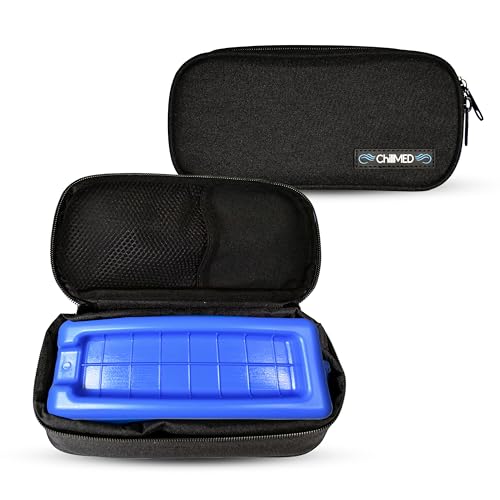
    ChillMED Insulin Cooler Travel Case with Ice Pack, up to 12 Hour Chill Time

    An insulated medication case with ice pack and a stated chill time of up to 12 hours.

    $19.99 on Amazon as of Nov 24, 7:06 a.m. CT

    Sold by Group Medical Supply, not Amazon

    Good to know: Ask your pharmacist what temperature range your medicine needs.

    View on Amazon
  • Ezy Dose

    Ezy Dose Weekly AM/PM Pill Organizer, Large

    Seven-day organizer with separate morning and evening compartments, so a missed dose is visible to anyone checking in.

    $5.49 ($5.49 / count) on Amazon as of Nov 24, 7:06 a.m. CT

    View on Amazon
  • Frio

    Frio Extra Large Insulin Cooling Wallet

    Evaporative cooling wallet that needs no ice; the listing states 45+ hours of cooling after soaking it in water.

    $40.95 on Amazon as of Nov 24, 7:06 a.m. CT

    Sold by BIGFLY, not Amazon

    Good to know: Frio sizes by how many pens or vials it holds; check the size chart against what you carry.

    View on Amazon
  • Taylor

    Taylor 3507FS Refrigerator Freezer Thermometer

    A dial fridge thermometer to keep in the medicine cooler, so you can see it stays at 36-46 °F (2-8 °C).

    $8.12 on Amazon as of Nov 24, 7:06 a.m. CT

    Sold by Bell Street Wear, not Amazon

    View on Amazon

Share this with someone who’d use it

Some links on this page may be affiliate links; see our affiliate disclosure. Nothing here is medical or legal advice; check your local regulations.

Corrections

None yet.

Shane Richard

Written by

Shane Richard

Shane is a disabled US Army veteran who served as an M1A1 tank crewman, then spent his career in technology and manufacturing supply chains, keeping parts moving through COVID. He, his wife Heather and their three kids have ridden out tornadoes, the February 2021 Texas freeze, the 2026 floods in Northeast Texas and power outages that lasted days. He started Prepping Expert to give families the plain, affordable, step-by-step version he wished he'd had.

Comments

No comments yet. Read the comment guidelines before posting.

Popular guides

Topics

Tags

The weekly checklist

One preparedness job by email every Sunday. Five minutes.

The weekly checklist

One thing to do this week. Five minutes, every Sunday.

A single preparedness task by email, in the order we'd do them. No launches, no discounts, unsubscribe in one click.

Before you go

Take the one-page household checklist with you.

Forty lines. Check off what you have, circle what you don't, do one circled item a week. We'll email the PDF and the Sunday checklist; drop either any time.

Done

You're on the list.

First email lands Sunday. Check your spam folder once, then it'll behave.

We store your address and nothing else. Privacy