A good bug out bag under $150 is almost always an ordinary 25–35 L hiking daypack with a padded hip belt, not a bag sold as a “bug out bag.” The pack matters less than what goes in it, but it still matters: one that rubs, leaks or hangs all 15 lb (6.8 kg) on your shoulders turns a two-mile (3 km) walk from a stalled car into a miserable one. This guide sets out what a pack in this price range has to do, where the money goes at each price, what to skip, and how to check one yourself in the store and at home.
The contents are covered in the 15 lb bug out bag. If you are still deciding whether your household needs an evacuation bag at all, start with bug in vs bug out.
What a bug out bag under $150 has to do
An evacuation bag has a different job from a hiking pack or a school bag. Its realistic day is a car, a parking lot, a shelter or a relative’s house, some rain, and occasionally a couple of miles on pavement. That sets five criteria.
Carry 15 lb comfortably for two miles. That means a hip belt that moves weight off the shoulders, shoulder straps that don’t dig in, and a back panel that doesn’t press hard items into your spine. Most cheap packs fail here, not on durability.
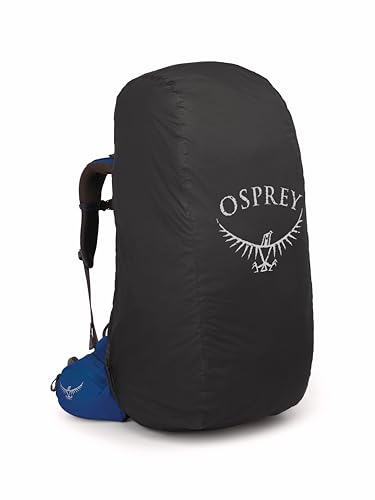
Stay dry enough. Nobody needs a waterproof bag, but documents, medicine and electronics should survive twenty minutes of steady rain. A rain cover helps; so do zip bags or a light dry bag inside, whichever pack you buy.
Keep the zippers working. Zippers are the most common failure on inexpensive packs. A main zipper that splits under load is a bag you carry in your arms.
Look ordinary. A plain daypack draws no attention in a shelter, a motel or a crowd. Military styling, patches and lots of external webbing do.
Fit the person carrying it. Torso length and hip-belt range decide whether a pack fits a smaller adult or a teenager. A pack that fits a 6 ft man often sits badly on a 5 ft 3 in woman.
Where the money goes, by type of pack
Under $150 you will meet five kinds of bag. The bands below are typical for a sound version of each, not prices of particular models; check what your local stores and the big outdoor retailers charge at the time.
| Type | Typical price | Typical empty weight | Hip belt | Carrying 15 lb for two miles | Verdict |
|---|
| School or commuter backpack, 20–30 L | $25–60 | 1–2 lb | None, or a thin strap | Fine for a block, sore shoulders after a mile | A stopgap; fine for a child’s light bag |
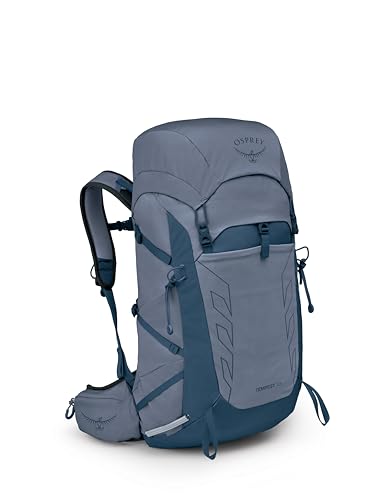
| Hiking daypack, 25–35 L, from an outdoor brand | $60–150 | 1.5–2.5 lb | Padded, adjustable | The best of the five; weight sits on the hips | Buy this |
| “Tactical” or bug-out-branded pack, 30–45 L | $40–120 | Often 3–5 lb | Often thin or decorative | Heavy empty, stiff, rarely carries on the hips | Usually skip |
| Overnight pack, 35–50 L, internal frame | $90–150 on sale | 2.5–4 lb | Padded, load-bearing | Comfortable, but the space invites overpacking | Fine for a family carrier |
| Pre-filled “72-hour kit” bag | $50–150 with contents | Varies | Rarely | The bag is the cheapest part of the kit | Skip, or strip it and keep the contents you’d use |
The pattern is simple. Bags sold as bug out bags tend to spend their budget on looks: heavy fabric, webbing, many small pockets and a military color palette. That adds empty weight, often a pound or more over a daypack of the same size, and rarely adds a hip belt that carries load. Bags sold to day hikers spend the same money on fit: a padded hip belt, adjustable straps, a ventilated back panel and lighter fabric. For carrying 15 lb a few miles, fit wins.
Why an ordinary daypack usually wins
The other advantage of a normal daypack is that you will use it. A pack that comes on weekend walks gets its straps adjusted, its zippers exercised and its weak points found before the day it matters. A bag that sits sealed in a closet for three years is untested whatever it cost.
It also does two jobs. A daypack can be the evacuation bag in the hall closet and the bag you take to the beach, as long as you repack it the same evening. If that sounds unreliable for your household, buy a second, cheaper bag for day trips and keep the good one packed.
"Spend the budget on the hip belt. Pockets and webbing are where cheap packs hide their weight."
The pack rule, in one line
The specs to shop with
Take this list to the store or keep it open while you scroll.
| Feature | What to look for | Why |
|---|
| Capacity | 25–35 L | Holds the 15 lb list with a little room; bigger invites overpacking |
| Hip belt | Padded, a few inches wide at the hips, with its own adjustment | A webbing strap doesn’t carry weight, it just stops the bag from swinging |
| Empty weight | Around 2 lb (0.9 kg) or less | Every pound of bag is a pound of something else you can’t carry |
| Main zipper | Large, smooth-running, ideally with a storm flap | Zippers fail first on cheap packs |
| Rain protection | An included rain cover, or room for a $10–20 one | Coated fabric alone leaks at seams and zippers |
| Color and styling | Plain, dark, minimal webbing | Draws no attention in a shelter or parking lot |
| Fit | Torso length that matches yours, or an adjustable back | Torso length matters more than any feature |
| Warranty | A clear repair or replacement policy | A sign the maker expects it to last |
What to skip
Packs over 40 L for one adult. A bigger bag gets filled, and a 30 lb bag is one most adults can’t carry two miles. If it doesn’t fit in 35 L, cut the list.
Hip belts that are only webbing. If the belt has no padding and doesn’t wrap your hip bones, it is a stabilizer strap. All 15 lb stays on your shoulders.
Heavy “tactical” styling. MOLLE webbing on every face, a coyote or camo colorway and morale patches add weight and attention and take nothing off your shoulders.
Pre-filled kits judged on the item count. A “200-piece” kit counts every bandage. The bag is usually the weakest part; look at the contents list and price them separately.
One bag for a family of four. Nobody can carry four people’s water and clothing. Each adult and older child needs their own, sized to them.
Anything you can’t return. Fit is personal. A non-returnable clearance pack is a gamble at any price.
Check one yourself, in the store and at home
You don’t need a lab. Five checks catch most bad packs, and the last two need nothing but your kitchen and your hallway.
- Weigh it empty. Use a kitchen or luggage scale. Over about 2.5 lb for a 30 L daypack and the fabric or frame is doing something you don’t need.
- Load it in the store. Most outdoor stores keep fill bags or sandbags for this. Load the pack to roughly 15 lb, tighten the hip belt first so it sits on the top of your hip bones, then the shoulder straps, then walk the aisles for ten minutes. Pressure points now are blisters later.
- Check the torso length. With the hip belt on the hip bones, the shoulder straps should wrap over the top of your shoulders without a gap behind them, and without the straps pulling down on them from behind.
- Run the main zipper under load. At home, pack it to 15 lb with filled water bottles and open and close the main zipper fifty times. Note any snagging or teeth pulling apart, and any tug needed at the corners.
- Do a shower test. Put paper towels in the main compartment and lid pocket, stand the pack in the shower or under a lawn sprinkler for twenty minutes, then check for wet spots. Repeat with the rain cover on if it has one.
Then live with it for a week: in the car, on a walk, on the commute. If it hurts after two blocks, it will hurt more after two miles; return it while you can.
When we’ve tested specific models, they will be added here. Until then, the rules that any review on this site will follow are in how we test gear.
Fitting smaller adults and teenagers
Many daypacks come in a women’s or short-torso version with a smaller hip belt and narrower shoulder straps; it fits many smaller men too, so ignore the label and try both. For a teenager, buy for the torso they have now, not the one they will grow into. A pack that is too long puts the hip belt on the waist, where it carries nothing.
Quick answers
What size bug out bag should I buy?
A bug out bag for one adult should be about 25–35 L. That holds a 15 lb (6.8 kg) evacuation load with a little room for a jacket or food from home. Packs over 40 L tend to get filled to 25–30 lb, which most adults can’t carry two miles in comfort.
Is a $150 bug out bag good enough?
Yes. Under $150 buys a well-made 25–35 L hiking daypack with a padded hip belt, adjustable straps and a decent warranty, which is all an evacuation bag needs. Spending more mostly buys lighter fabric or bigger capacity. Spend any money left over on the contents, starting with water and documents.
Are tactical backpacks good bug out bags?
Usually not. Packs with military styling and webbing on every face often weigh 3–5 lb empty, rarely have a hip belt that carries weight, and draw attention in a shelter or crowd. A plain hiking daypack of the same size is lighter, more comfortable at 15 lb and looks like everyone else’s bag.
How do I check if a backpack fits me?
Load the backpack to about 15 lb, fasten the hip belt so it sits on top of your hip bones, then tighten the shoulder straps. They should wrap your shoulders without gaps. Walk for ten minutes. Any pressure point or slipping belt in the store gets worse over two miles, so try another size.
Printable
Kits & bags inventory checklist (PDF, 1 page). The 15 lb packing list with weights and checkboxes, for loading whichever pack you choose.








 4

Comments
No comments yet. Read the comment guidelines before posting.