An open first aid kit on a kitchen counter showing a tourniquet, gauze rolls, adhesive bandages, gloves, a CPR face shield and a small burn gel packet, with a phone beside it.
Wilderness and home first aid: what to learn, what to carry
The six first aid skills to learn, ranked by how often they save a life at home, where to learn each in a weekend and what it costs, and what to carry for each.
Shane RichardOct 16, 20267 min readGuide · Complete guide
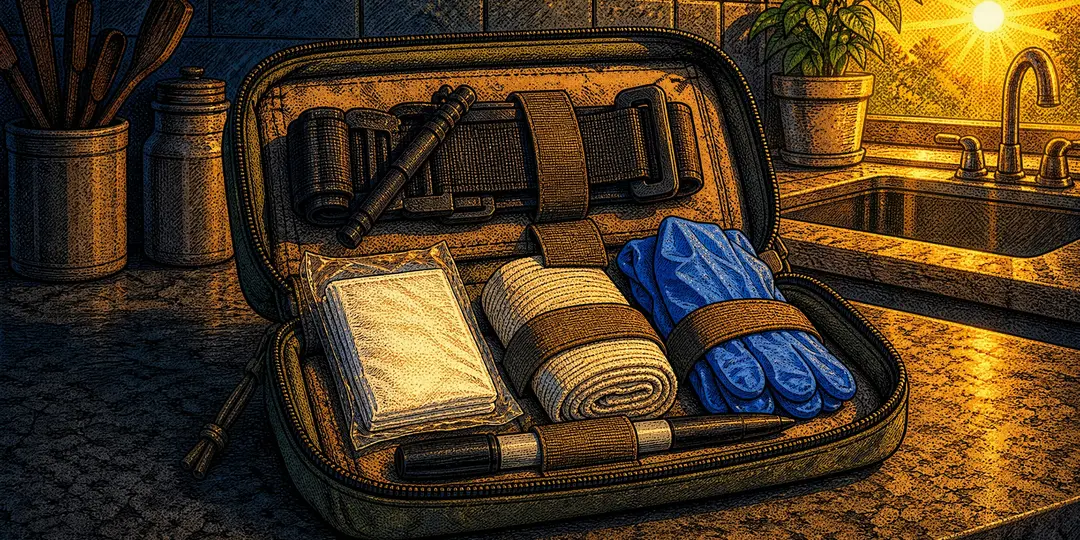
The home kit, organized by the skill each item serves. Most of it is useless without the course that teaches it.
The most useful thing a household can buy for medical emergencies is a weekend. First-aid kits are easy to buy and easy to stock; the skills to use them take a course, and the courses are shorter and cheaper than most people expect. A first aid and CPR class runs a few hours. Stop the Bleed is usually free. Wilderness First Aid is a weekend.
This guide ranks the first aid skills to learn by how often they make the difference at home, says where to learn each, and lists what to carry for each one. It is general information for planning, not medical advice: the skills themselves come from a certified instructor, and the decisions in an emergency come from 911 and the people who answer.
The six first aid skills to learn, ranked
Ranked by how likely each is to be the thing that matters in an ordinary house, and how much difference the first few minutes make.
#
Skill
Why it ranks here
Where to learn it
What to carry
1
CPR and using an AED
Most cardiac arrests outside a hospital happen at home; minutes without CPR matter most
Red Cross or AHA first aid/CPR/AED course
A CPR face shield; know where the nearest AED is
2
Choking
Common with small children and older adults; you have minutes, not more
Same course; ask for the infant module if you have a baby
Nothing; it is all technique
3
Severe bleeding
Kitchen, garage, car and tool accidents; a person can bleed to death before an ambulance arrives
Stop the Bleed
A tourniquet, compressed or hemostatic gauze, gloves
4
Allergic reactions and anaphylaxis
Food, insect stings and medication; it can close an airway quickly
First aid course; your doctor for anyone with a known allergy
Prescribed epinephrine auto-injectors, not expired, where they can be reached
5
Burns
Cooking, candles, generators, scalds with children
First aid course
Clean plastic wrap, non-stick dressings, burn gel
6
Breaks, sprains and head injuries
Falls on ice or ladders; rarely fatal, often mishandled
First aid course; Wilderness First Aid for splinting
A SAM-type splint, triangular bandage, elastic wrap, cold pack
Two more things belong alongside the six: recognizing a stroke (face drooping, arm weakness, speech difficulty: time to call 911) and knowing the Poison Control number, 1-800-222-1222 in the US, which is free and answered around the clock.
Where to learn them, and what it costs
Course
Covers
Typical length
Typical cost
Red Cross or AHA First Aid/CPR/AED (adult and pediatric)
Skills 1, 2, 4, 5, 6; stroke recognition
A few hours; blended online-plus-classroom versions are shorter in the room
Roughly $70–130
Stop the Bleed
Skill 3: pressure, packing, tourniquets
Usually 90 minutes or less
Usually free
Wilderness First Aid (WFA)
All six, plus improvising and long-term care when help is an hour or more away
Two days, about 16 hours
Roughly $200–350
Wilderness First Responder (WFR)
In-depth assessment and care in remote settings
About 70–80 hours over one to two weeks
Roughly $700–1,200
CERT basic training
Disaster first aid, triage, light search and rescue for neighborhoods
Several sessions, often 20 hours or so
Usually free
For most families the right plan is: one first aid and CPR course for every adult, Stop the Bleed for every adult and older teen, and Wilderness First Aid for whoever goes camping, hiking or lives far from a hospital. Certificates usually last two years; recertify on schedule, because skills fade faster than that. CERT training is a free bonus that also gets you to know your neighbors.
"Buy the weekend before the kit. A tourniquet you have never practiced with is a strap."
The order that matters
The home kit versus the bag kit
Two kits, because the jobs are different. The home kit lives in the kitchen and handles everything from a splinter to a kitchen-knife accident. The bag kit goes in the car, the daypack or the go-bag and is smaller and more focused.
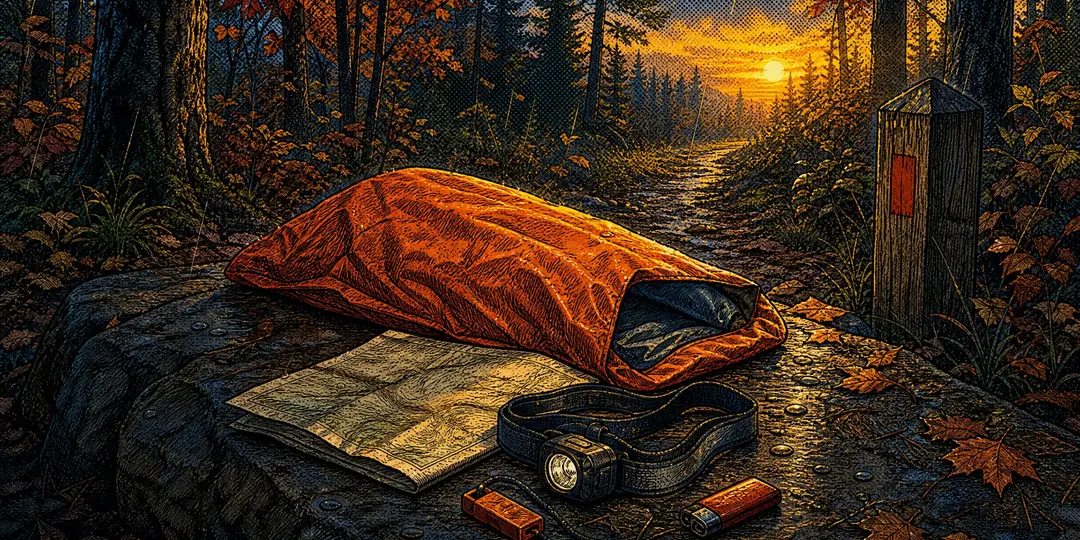
Two kits for two jobs: the big box stays in the kitchen; the small pouch rides in the car or the daypack.
When to call 911, and what to do while you wait
Call 911 first, or have someone else call while you start care, for:
Someone who is unresponsive or not breathing normally.
Chest pain or pressure, or signs of a stroke.
Severe bleeding, or bleeding that will not stop with firm pressure.
Trouble breathing, swelling of the face or throat, or any suspected anaphylaxis (use the person’s prescribed epinephrine and call).
A seizure in someone with no history of them, or one lasting more than five minutes.
Large burns, or burns to the face, hands, genitals or airway.
A head injury followed by confusion, vomiting or drowsiness.
Suspected poisoning with symptoms. If no symptoms, Poison Control can advise.
Put the phone on speaker and do what the dispatcher says; they are trained to coach CPR and bleeding control over the phone. While you wait, send someone to unlock the door, turn on the porch light and meet the ambulance. Gather the person’s medication list and ID. Keep them warm and still unless they are in danger where they are.
The wilderness difference
At home, first aid is about the first ten minutes before an ambulance. In the backcountry, on a long drive, or in a disaster when ambulances are delayed, it can be hours. That changes the skills: assessment, keeping someone warm and fed, cleaning wounds properly, splinting for a long carry, and deciding when to evacuate. Wilderness First Aid teaches exactly that, and it is the course to take if your plans include camping, remote travel or a long outage. Wilderness survival basics covers the rest of a day gone wrong outdoors.
A plan for this year
Book the first aid and CPR course for every adult this season. Find a free Stop the Bleed class; stop the bleed: the first three minutes explains what it teaches. Build or restock the two kits. Put a recertification date in the calendar two years out. Then, if you spend time outdoors, book Wilderness First Aid for next spring.
Quick answers
What first aid skills should everyone learn?
Six first aid skills cover most household emergencies, in this order: CPR and using an AED, choking, severe bleeding, allergic reactions and anaphylaxis, burns, and breaks, sprains and head injuries. The first four save lives. Add recognizing a stroke and knowing the US Poison Control number, 1-800-222-1222. Learn them from a certified instructor, not from an article.
How long does a first aid and CPR course take?
A Red Cross or American Heart Association first aid, CPR and AED course takes a few hours and typically costs about $70–130, with blended online versions spending less time in the room. Stop the Bleed is usually free and 90 minutes or less. Certificates usually last two years, so put a recertification date in the calendar.
Do I need a Wilderness First Aid course?
You need Wilderness First Aid if you camp, hike, travel remotely or live far from a hospital, where help can be an hour or more away. The course takes two days, about 16 hours, and typically costs about $200–350. It adds assessment, keeping someone warm and fed, wound cleaning, splinting for a long carry and deciding when to evacuate.
When should you call 911 for a medical emergency?
Call 911 first for anyone unresponsive or not breathing normally, chest pain or pressure, signs of a stroke, severe bleeding that firm pressure won’t stop, trouble breathing or suspected anaphylaxis, a first seizure or one lasting over five minutes, large burns, or a head injury followed by confusion, vomiting or drowsiness. Put the phone on speaker and follow the dispatcher.
Printable
Skills inventory checklist (PDF, 1 page). Record who in the house has done which course, and when each certificate expires.
Picks that match the specs in this guide, from makers with a track record. We haven't tested them yet. As an Amazon Associate we earn from qualifying purchases, at no cost to you. Add what you need to my list, then send the whole list to your Amazon cart all at once. Prices and availability are accurate as of the date and time shown and are subject to change. The price and availability shown on Amazon.com at the time of purchase will apply.
Madison Supply
Madison Supply Trauma Shears, 7.5 in stainless
7.5 in stainless-steel trauma shears with fluoride-coated blades.
Shane is a disabled US Army veteran who served as an M1A1 tank crewman, then spent his career in technology and manufacturing supply chains, keeping parts moving through COVID. He, his wife Heather and their three kids have ridden out tornadoes, the February 2021 Texas freeze, the 2026 floods in Northeast Texas and power outages that lasted days. He started Prepping Expert to give families the plain, affordable, step-by-step version he wished he'd had.
Wilderness survival basics in five steps: stop, shelter, water, fire, signal. What each involves, the 1½ lb pocket kit, and why staying put usually wins.
The survival rule of threes: three minutes without air, three hours without shelter, three days without water, three weeks without food. A memory aid only.
We use Google Analytics cookies to count visits and see which guides help. No ads, nothing sold. Cookie policy






 4

Comments
No comments yet. Read the comment guidelines before posting.