Prepper Black Friday Deals
A tidy garage workbench with a cordless drill, two white food-grade buckets, a roll of metal strapping, a labeled binder and a breaker panel visible on the wall behind, in daylight.
DIY projects

DIY preparedness projects ranked by usefulness per hour

Twelve DIY emergency preparedness projects ranked by readiness per hour of work, with time, cost and difficulty, plus the ones to skip without a workshop.

Shane RichardOct 16, 20268 min readGuide · Complete guide
Most of the projects worth doing fit on one workbench and need tools you already own.

The best DIY emergency preparedness projects are boring and quick. Labeling your breaker panel takes an hour and saves a frantic search with a flashlight; strapping the water heater takes an afternoon and protects your largest store of clean water. The worst are long, expensive and impressive, and they get abandoned half-built in the garage.

We ranked twelve projects by usefulness per hour: how much readiness each one adds for a normal household, divided by the time it takes a reasonably handy person. Cost and difficulty are listed so you can pick around a budget. Work down the list in order, one project a weekend, and you will be done before the winter is.

DIY emergency preparedness projects, ranked

#ProjectTimeCostDifficultyWhat it buys
1Label the breaker panel and find every shut-off1–2 hours$0–15EasySpeed and safety in any outage, leak or gas smell
2Strap the water heater1–2 hours$25–60EasyProtects 30–80 gallons of stored water and a gas line
3Build a grab-and-go document binder2–3 hours$10–25EasyInsurance claims and evacuation without the scramble
4Smoke and CO alarm audit1 hour$20–60 per alarmEasyThe house-fire and generator risks covered
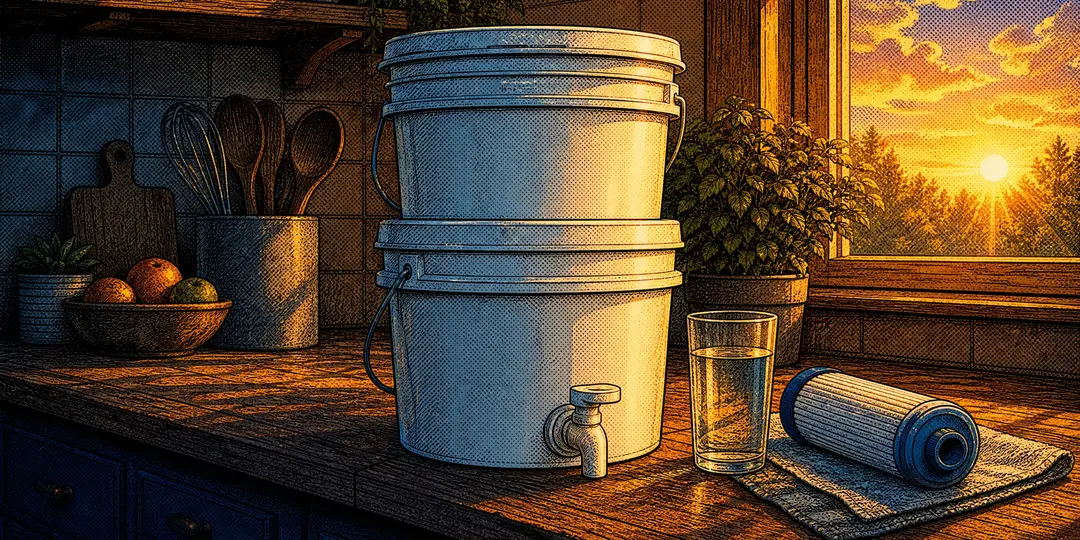
5Bucket water filter1 hour$30–40EasyClean water from rain, a pool or a creek
6Bucket toilet kit30 minutes$20–40EasySanitation when the water is off
7Anchor tall furniture and the TV1–2 hours$10–30EasyInjury prevention, especially with kids
8Window insulation kit for winter outages2–4 hours$30–80EasyA warmer room when the furnace is off
9Pre-cut storm shutters (hurricane areas)4–8 hours$100–300+ModerateWindow protection when stores sell out
10Rain barrel with a first-flush diverter3–4 hours$60–150ModerateNon-drinking water for flushing and the garden
11Raised bed for calorie crops4–6 hours$50–200ModerateA seasonal food supplement and a skill
12Root cellar in a basement corner2–3 weekends$400–1,200ModerateMonths of storage for root crops without power

The evening jobs: 1 to 4

1. Label the breaker panel and find every shut-off. Turn breakers off one at a time with a helper calling out what went dark, and write it on the panel door in permanent marker. Then find the main water shut-off and the gas meter valve, tag them, and put the right wrench next to the gas meter. Only turn off the gas if you smell gas or are told to; once it is off, the utility has to turn it back on. One hour, nearly free, and it is the most useful hour on this list.

2. Strap the water heater. A tank holds 30–80 gallons (110–300 L) of clean water, and in an earthquake or a hard knock an unstrapped one can tip, break its gas or water connections and lose it all. A strapping kit costs $25–60. The usual guidance, from California’s building standards among others, is two straps, one in the upper third and one in the lower third, the lower one at least 4 in (10 cm) above the controls, bolted into studs. Follow the kit’s instructions, and if the tank is gas and you are unsure, get a plumber.

3. Build a grab-and-go document binder. Copies of ID, insurance policies, deeds or leases, prescriptions, vehicle titles and contact numbers, in sheet protectors, in a binder by the door. Scan the same pages to a cloud drive. Backing up your documents for an evacuation has the full list.

4. Smoke and CO alarm audit. Test every alarm, check the manufacture date on the back (most are meant to be replaced after about ten years), and make sure there is a carbon monoxide alarm on every sleeping level. If you will ever run a generator or a camp stove during an outage, this is not optional.

The afternoon builds: 5 to 8

5. Bucket water filter. Two food-grade buckets and a filter element give you a gravity filter that turns rain, pool or creek water into drinkable water, with a bleach step for viruses. It takes an hour and costs under $40. A bucket water filter for under $40 is the full build. It is a backup to stored water, not a replacement for it.

6. Bucket toilet kit. A 5-gallon bucket, a snap-on toilet seat lid, heavy contractor bags, cat litter or sawdust and a box of gloves. When the water or sewer is out, this is what keeps the house livable. Sanitation when the water’s off covers the details.

7. Anchor tall furniture and the TV. Furniture anti-tip straps or brackets into studs for bookcases, dressers and wardrobes. Tip-overs injure children every year in ordinary times, not just in earthquakes, so this one pays off whether or not anything happens.

8. Window insulation kit. Pre-cut panels of foil-faced foam board for the windows of the room you will retreat to in a winter outage, labeled by window and stored behind a door. Add plastic film kits and a draft snake. It will not heat a room, but it keeps the heat your household produces in.

A residential water heater in a garage corner with two metal seismic straps wrapped around it and bolted to the wall studs, one high and one low, above the gas control.
Project 2, done: two straps, one high and one low, bolted to studs. An afternoon’s work that protects the biggest water store in the house.

The weekend projects: 9 to 12

9. Pre-cut storm shutters. In hurricane country, plywood sells out days before landfall. Cutting and labeling panels for every window in spring, with the fasteners in a bag taped to each one, turns a frantic day into a calm hour. It is a moderate job and the cost scales with the number of windows. Outside hurricane areas, skip it.

10. Rain barrel with a first-flush diverter. A barrel under a downspout, a screen to keep mosquitoes out, an overflow, and a diverter that sends the dirtiest first runoff away. It gives you water for flushing toilets and the garden; drinking it needs filtering and disinfecting. Check your state’s rules first, then read rainwater collection: barrels, first-flush and making it drinkable.

11. Raised bed for calorie crops. A 4 × 8 ft (1.2 × 2.4 m) bed of potatoes or beans is a real food supplement and a skill that grows with practice. It is low on usefulness per hour in the first year, which is why it is near the bottom. Calorie crops for a small yard says what to plant.

12. Root cellar in a basement corner. Two walls of insulation, a vent pair and some shelving can keep potatoes, carrots, apples and squash for months without power. It is the most involved project here and pays off only if you grow or buy produce in bulk. A root cellar in a basement corner is the full build.

"Label the breaker panel before you build anything. It is the most useful hour on the list." The ranking, in one line

What to skip

Some popular projects fail the usefulness-per-hour test badly, or are unsafe for a non-professional:

  • Generator backfeed cords (“suicide cords”). Plugging a generator into a household outlet can electrocute utility workers and you. A proper transfer switch or interlock needs a licensed electrician and usually a permit. Backup power for a normal house explains the safe options.
  • Bunkers, shelters and underground anything. Expensive, permit-heavy, and aimed at scenarios that do not appear on most households’ risk lists.
  • Projects that need a workshop: welding a trailer, building a wood stove, machining. Fine hobbies, poor preparedness value per hour.
  • Projects that need a second property: a cabin, a retreat garden, a well at a place you visit twice a year.
  • Anything involving gas lines or main electrical work without a licensed professional.

How to work through the list

One project a weekend, in order. After four weekends you have a labeled house, a protected water heater, a binder and working alarms. After eight, you can filter water, manage sanitation and keep one room warm. The last four are for when the basics are done and you want something bigger.

Write the date you finished each one on the inside of a cabinet door, and revisit the list every fall: alarms age, binders go out of date, and straps loosen.

Quick answers

What is the most useful preparedness project for a house?

Labeling the breaker panel and finding every shut-off. It takes one to two hours, costs $0–15, and pays off in any outage, leak or gas smell. Turn breakers off one at a time with a helper, write each circuit on the panel door, then tag the main water shut-off and the gas meter valve and keep the right wrench beside the meter.

How do you strap a water heater?

The usual guidance, including California’s building standards, is two straps: one in the upper third of the tank and one in the lower third, the lower one at least 4 in (10 cm) above the controls, both bolted into wall studs. A strapping kit costs $25–60. Follow the kit’s instructions, and call a plumber if the tank is gas and you are unsure.

Is it safe to plug a generator into a wall outlet?

No. A generator backfeed cord plugged into a household outlet can electrocute utility workers on the line and the people in the house. The safe way to connect a generator to home circuits is a transfer switch or interlock installed by a licensed electrician, usually with a permit. Otherwise, run appliances from extension cords plugged directly into the generator outdoors.

How often should smoke and CO alarms be replaced?

Most smoke alarms are meant to be replaced after about ten years, and carbon monoxide alarms often sooner; check the manufacture date and the replacement date on the back. Test every alarm, and make sure there is a carbon monoxide alarm on every sleeping level, especially if the household would ever run a generator or camp stove during an outage. New alarms cost about $20–60 each.

Printable

The one-page household readiness checklist (PDF, 1 page). The DIY projects above slot into its lines; check them off as you finish each weekend.

Gear for this guide

Picks that match the specs in this guide, from makers with a track record. We haven't tested them yet. As an Amazon Associate we earn from qualifying purchases, at no cost to you. Add what you need to my list, then send the whole list to your Amazon cart all at once. Prices and availability are accurate as of the date and time shown and are subject to change. The price and availability shown on Amazon.com at the time of purchase will apply.

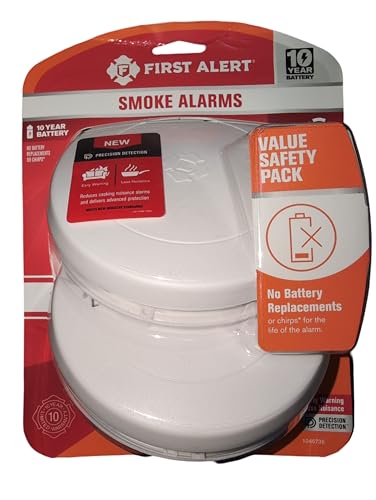
  • First Alert

    First Alert 10-Year photoelectric smoke alarm, 2 pack

    10-year photoelectric smoke detector, no battery replacements, 2 pack.

    No price from Amazon right now (checked Nov 24, 7:06 a.m. CT)

    See buying options
  • 3M

    3M Indoor Window Insulator Kit (5-window)

    Heat-shrink indoor film kit covering five windows.

    $17.44 on Amazon as of Nov 24, 7:06 a.m. CT

    Sold by Evitz, not Amazon

    View on Amazon
Tagged

Share this with someone who’d use it

Some links on this page may be affiliate links; see our affiliate disclosure. Nothing here is medical or legal advice; check your local regulations.

Corrections

None yet.

Shane Richard

Written by

Shane Richard

Shane is a disabled US Army veteran who served as an M1A1 tank crewman, then spent his career in technology and manufacturing supply chains, keeping parts moving through COVID. He, his wife Heather and their three kids have ridden out tornadoes, the February 2021 Texas freeze, the 2026 floods in Northeast Texas and power outages that lasted days. He started Prepping Expert to give families the plain, affordable, step-by-step version he wished he'd had.

Comments

No comments yet. Read the comment guidelines before posting.

Popular guides

Topics

Tags

The weekly checklist

One preparedness job by email every Sunday. Five minutes.

You might also like

More in DIY projects →

The weekly checklist

One thing to do this week. Five minutes, every Sunday.

A single preparedness task by email, in the order we'd do them. No launches, no discounts, unsubscribe in one click.

Before you go

Take the one-page household checklist with you.

Forty lines. Check off what you have, circle what you don't, do one circled item a week. We'll email the PDF and the Sunday checklist; drop either any time.

Done

You're on the list.

First email lands Sunday. Check your spam folder once, then it'll behave.

We store your address and nothing else. Privacy