A backyard lawn on a bright morning with a blue tarp pitched between two trees, a camp stove and pot on a folding table, water jugs and a first aid kit on the grass.
A survival skills practice plan for beginners: six skills in two days in a backyard, from water and stove cooking to a tarp pitch. Hour by hour, under $100.
The whole weekend fits in one backyard: a tarp, a table, a stove and the gear you already bought.
Six skills, two days, one backyard. This survival skills practice plan for beginners takes the first skills from the survival skills that matter, in order and gives each a time slot, a test and a list of what to have ready. By Sunday afternoon you will know which of your supplies work, which don’t, and what the household can actually do without help.
Pick a weekend with mild, dry weather for the first try. The point is to learn the skill, not to suffer. You can repeat it in winter once it works in October.
What to gather for a beginner skills practice weekend
Most of this you either own or should own anyway. Lay it out on Friday evening so the weekend starts on time.
Item
Used for
If you need to buy it
Camp stove or gas grill, full fuel
Saturday cooking, boiling water
$30–60 for a basic canister stove; fuel $5–8 a canister
Pot with lid, a second clean container
Boiling and treating water
Use the kitchen ones
Unscented household bleach, a dropper
Chemical treatment
$3–5
Water filter (squeeze or gravity)
Filtering
$25–45
Headlamps, one per person, spare batteries
Lights-out evening
$15–30 each
First aid kit, a triangular bandage, roller gauze
Sunday drill
$20–40 to round out a store kit
Baseplate compass, local paper map
Navigation walk
$20–40 compass; maps often free
Tarp (8 × 10 ft, about 2.4 × 3 m), 50 ft of cord, 6 stakes
Shelter pitch
$20–40 total
Notebook and pen
The debrief
—
If you are buying everything from scratch, that is roughly $150–250. A typical household already owns half of it, and the extra spend lands at $40–100. If the stove is the missing piece, survival stoves compared covers which type to buy. Don’t buy anything you aren’t going to use this weekend.
Saturday morning: water, three ways
9:00–10:30. Make drinkable water from a source you would not normally drink: a rain barrel, a clean bucket of garden hose water left to stand, or (in a park, if allowed) a clear stream. Do it three ways.
Boil. Bring a pot to a rolling boil for one minute, the CDC’s guidance (three minutes above 6,500 ft, or about 2,000 m). Time how long your stove takes to boil a quart (about 1 L) from cold. Write it down. That number tells you how much fuel an outage needs.
Bleach. Use plain unscented bleach and follow the dose on the label or the CDC’s chart for your bleach strength. Stir, wait 30 minutes, check for a faint chlorine smell. If cloudy water is the starting point, let it settle and pour it through a cloth first.
Filter. Run a quart through your filter. Notice how slow it is, how much hand effort a squeeze filter takes, and whether you know how to backflush it.
The test: each adult can do all three without the instructions. Kids can run the timer and do the stirring.
Saturday midday: two meals on the stove
12:00–1:30 and again at 5:30. Cook lunch and dinner on the stove or grill, outdoors, using food from your pantry, not special camping food. Rice and a can of chili; pasta and jarred sauce; eggs and tortillas. One pot is fine.
The things that usually fail: the canister doesn’t fit the stove, the lighter is in a different drawer, the wind keeps blowing the flame out, and rice burns on a small burner. Note every one of them. Cooking when the power’s out has fixes, including the thermos method for rice and pasta that saves fuel.
The test: a hot meal for everyone, cooked in under 45 minutes, nothing burned that matters.
Saturday evening: lights out
From sunset to bedtime. Switch off the main breaker, or if you would rather not (fridge, medical equipment, a freezer full of food), simply agree that no switch, outlet or screen gets used. Phones go in a drawer except for one, kept for emergencies.
This is the most revealing part of the weekend. Within an hour you will know whether there are enough headlamps, whether anyone knows where the batteries are, how dark the stairs are, whether the battery radio picks up a weather channel and how long children tolerate a board game by lantern light. Keep the evening short the first time. Two or three hours is plenty.
Keep candles out of it, especially with children. Headlamps and battery lanterns do the job without the fire risk.
Saturday evening: one lantern in the middle of the room, a headlamp each, and a radio. The test is whether anyone needs to go looking for anything.
Sunday morning: a first aid drill
9:00–10:00. Run three short scenarios, five minutes each, then swap roles. Use the kit you actually own, not a training kit.
A deep cut on a forearm. Direct pressure with gauze, then a pressure bandage. Who finds the gauze first? Is it in the kit you think it’s in?
A sprained ankle on a walk. Rest, support, a triangular bandage figure-eight, and the decision about whether to carry, walk or call.
A burn from the camp stove. Cool running water for 10 to 20 minutes, as first aid courses teach, and a loose, clean covering.
This drill reinforces a class; it doesn’t replace one. If nobody in the house has taken first aid and CPR in the last two years, book it now. Wilderness and home first aid covers what to learn and what to carry.
The test: every adult can find the gauze, gloves and tape in the kit with their eyes shut, and can say when they would call 911.
Sunday late morning: a navigation walk
10:30–12:00. In a park or a quiet neighborhood, use the paper map to plan a loop of about a mile (1.6 km) with three turns. Leave the phones in a pocket. At each turn, take a compass bearing to the next landmark and walk it. Let older kids take a leg each.
Then the harder exercise: from the map, plan two routes from your house to a relative’s or a school that avoid the main road. People who rely on phone navigation often find this one difficult. Compass and map for people who rely on their phone explains the basics in more depth.
The test: you finish the loop where you started, and you can point to your house on the map without zooming.
Sunday afternoon: pitch a tarp
1:00–2:30. Pitch the tarp as a simple A-frame between two trees or fence posts: a ridgeline cord, the tarp over it, corners staked out. Then pitch it again as a lean-to with the back to the wind. Then take it down and do the A-frame again with a timer.
The test: a taut pitch in under fifteen minutes that sheds a bucket of water poured on top.
Involving kids safely
Children learn this material quickly and remember it, which is half the reason to do it as a family. Some guardrails:
Under-10s run timers, hold the map, pass the stakes, play patient in the first aid drill. They don’t operate the stove.
Older kids can light the stove with an adult beside them, take compass bearings and pitch the tarp.
One adult is in charge of the stove at all times, with a clear zone around it. Keep a bucket of water nearby.
Bleach stays with adults, capped, out of reach, never in a drink bottle.
Stop while it is still fun. A short, successful weekend gets repeated. A long one that ends in tears does not.
The debrief: what failed, what to buy, what to repeat
Sunday, 3:00. Twenty minutes at the kitchen table with the notebook. Three columns:
What failed. Be specific: “stove canister didn’t thread,” “only two headlamps worked,” “nobody could find the tape.”
What to buy. Only items the weekend showed you need. If the filter was miserable to use, perhaps the answer is more stored water rather than a better filter.
What to repeat. Pick the two weakest skills and put them on the calendar for next season. Do the whole weekend again once a year, ideally in a colder month.
That list is worth more than any gear guide, because it was written about your house. File it with your household plan and look at it before your next shopping trip.
Quick answers
What survival skills should beginners practice first?
Six skills cover most household emergencies: treating water three ways (boil, bleach, filter), cooking on a camp stove or grill, getting through an evening without power, basic first aid, navigating with a paper map and compass, and pitching a tarp. All six fit into one weekend in a backyard or park, with a debrief on Sunday afternoon.
How much does a beginner skills practice weekend cost?
Most households spend $40–100 on extra gear, because they already own about half of what is needed. Buying everything from scratch, including a canister stove, water filter, headlamps, a compass and a tarp with cord and stakes, costs roughly $150–250. Buy only what you will actually use that weekend.
How long do you boil water to make it safe?
Keep it at a rolling boil for one minute, which is the CDC’s guidance, or three minutes above 6,500 feet (about 2,000 m). While practicing, time how long your stove takes to bring a quart of water to a boil from cold; that number tells you how much fuel an outage will need.
Can kids join in survival skills practice?
Yes, and they learn it quickly. Children under 10 can run timers, hold the map, pass stakes and play patient in the first aid drill, but should not operate the stove. Older kids can light the stove with an adult beside them, take compass bearings and pitch the tarp. Bleach stays capped and with the adults.
Printable
Skills inventory checklist (PDF, 1 page). The skills from this weekend with a line for who can do each and the date they last practiced.
Picks that match the specs in this guide, from makers with a track record. We haven't tested them yet. As an Amazon Associate we earn from qualifying purchases, at no cost to you. Add what you need to my list, then send the whole list to your Amazon cart all at once. Prices and availability are accurate as of the date and time shown and are subject to change. The price and availability shown on Amazon.com at the time of purchase will apply.
Black Diamond
Black Diamond Astro 300 Headlamp (AAA)
Runs on AAA, dimmable. Maker specs this model with red night-vision mode, lock mode, tilting head and IPX4.
No price from Amazon right now (checked Nov 24, 7:06 a.m. CT)
Shane is a disabled US Army veteran who served as an M1A1 tank crewman, then spent his career in technology and manufacturing supply chains, keeping parts moving through COVID. He, his wife Heather and their three kids have ridden out tornadoes, the February 2021 Texas freeze, the 2026 floods in Northeast Texas and power outages that lasted days. He started Prepping Expert to give families the plain, affordable, step-by-step version he wished he'd had.
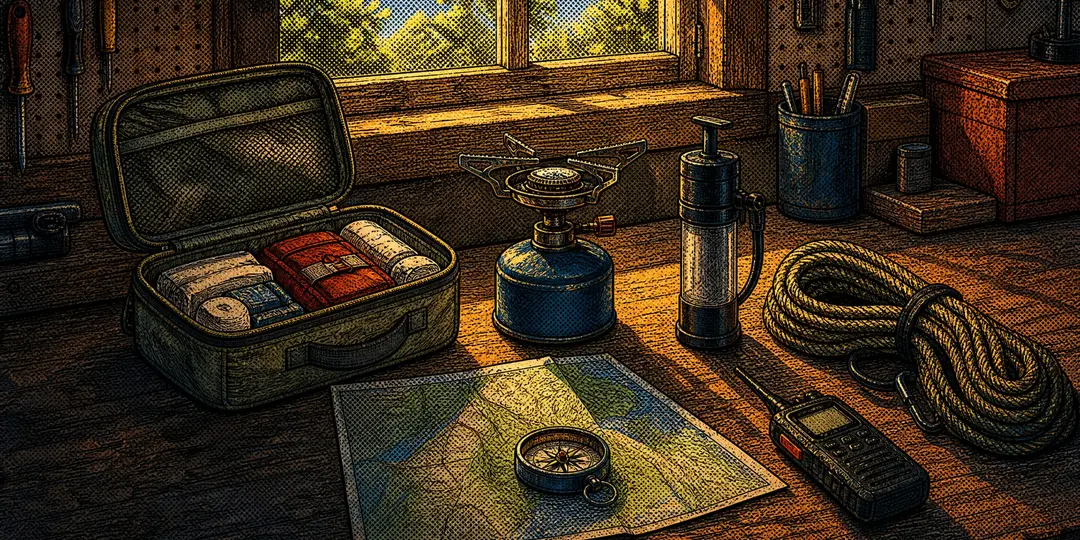
The ten most important survival skills, ranked by how often a normal household uses them, with how long each takes and the free or cheap way to learn it.
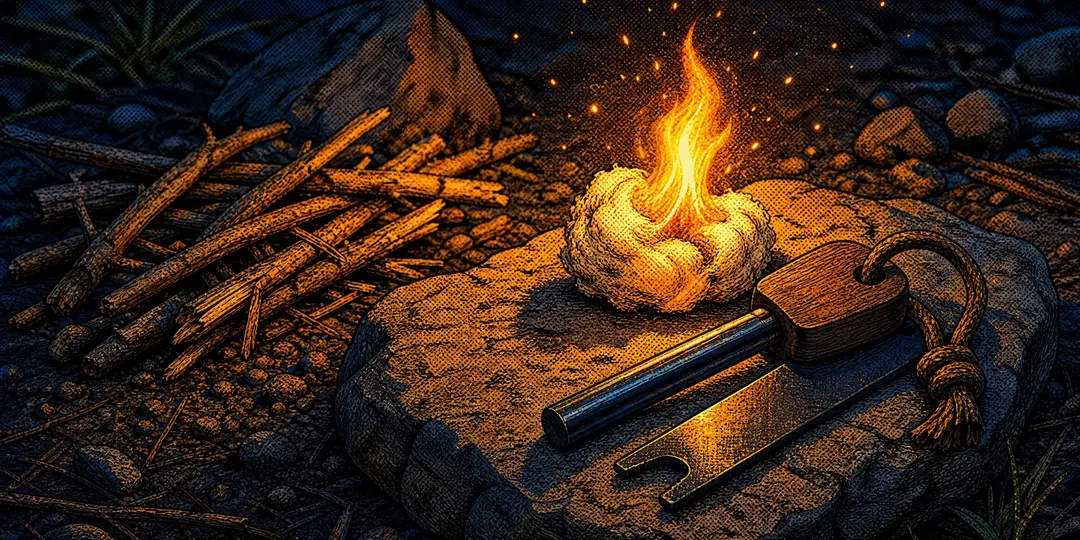
How to use a ferro rod when it throws sparks but won’t light: the five reasons it fails, the fix for each, and a drill that gets you to fire in five strikes.
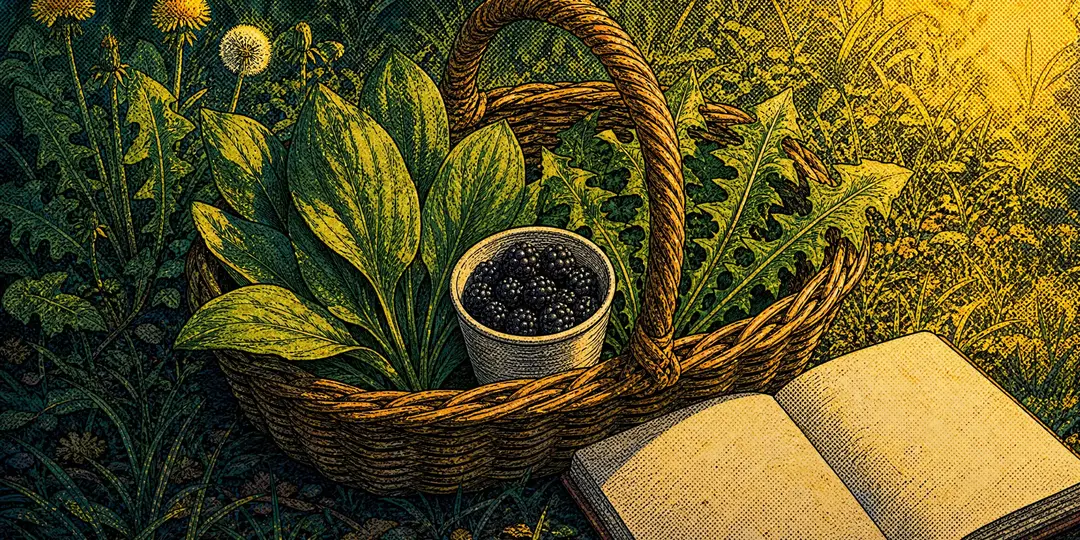
Foraging for beginners: three hard-to-mistake edibles to learn first, ten poisonous plants and lookalikes to leave alone, and where you may legally pick.
We use Google Analytics cookies to count visits and see which guides help. No ads, nothing sold. Cookie policy






 4
Comments
No comments yet. Read the comment guidelines before posting.