


Emergency food for special diets is the part of a pantry that can’t be improvised at a shelter or a food bank. A family that eats anything can survive a week on canned chili and crackers. A baby on formula, a child with a peanut allergy, someone with celiac disease or a parent with diabetes can’t. This guide is the short list for each, built on the same two-week approach as the two-week pantry. Your doctor, pediatrician or dietitian knows your family’s needs; check the specifics with them.
Babies
Breastfeeding is the safest way to feed a baby in an emergency, the CDC says. If you’re nursing, keep going, and stock what supports you: water, food, a manual pump if you use one.
For formula, keep ready-to-feed (RTF). It needs no water for mixing, and unopened RTF formula doesn’t need refrigeration, the CDC notes. Keep at least two weeks of single-serving bottles or cans in the kit, and rotate them before their dates.
If you only have powdered formula, mix it with safe water: bottled water, or tap water local officials say is safe. Otherwise, boil water for one minute (three minutes above 6,500 feet) and let it cool, or use properly disinfected water. Never water down formula to make it last. Mix it exactly as the label says.
Clean bottles and nipples only with safe water. If you can’t clean them safely, the CDC says to feed with disposable cups instead. Throw out nipples, pacifiers and other hard-to-clean items that touched floodwater.
Pumped breast milk: in an outage, keep the freezer shut. Thawed breast milk can’t be refrozen and should be used within 24 hours. When evacuating, freshly expressed milk can stay in a cooler with ice packs for up to 24 hours, the CDC says; tell responders if you have milk that needs refrigeration.
The baby shelf: RTF formula, disposable bottles or cups, a few days of jarred baby food for older babies, diapers and wipes for two weeks, and diaper cream. Add it to the home kit.
Food allergies
The rule for allergies in an emergency: store only foods you already buy, read and trust. An emergency is the worst time to try a new brand or a donated meal with an unclear label.
- Pick shelf-stable versions of safe foods the person already eats: specific canned goods, crackers, cereal, nut-free spreads, shelf-stable milk alternatives. Read every label when you buy, because recipes change.
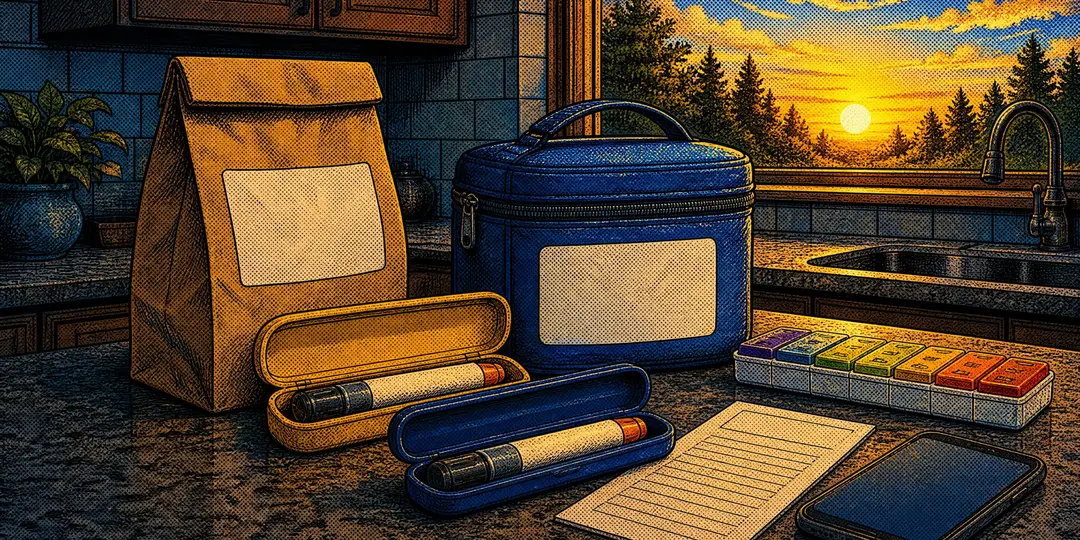
- Keep the allergy medicines in the kit. If someone has prescribed epinephrine auto-injectors, ask the doctor about having an extra set, and know the expiration dates. The EpiPen label says to store them at room temperature, 68–77°F (20–25°C), not in the refrigerator, and not in a car’s glove box; brief swings between 59°F and 86°F are allowed.
- Label the bin with the allergy, in large letters, so a grandparent or neighbor helping out doesn’t add the wrong thing.
- Carry a written allergy and medication card with the doctor’s number. Shelters and responders will ask.
Celiac disease and gluten-free diets
Same principle: store the gluten-free staples you already use. Shelf-stable options that are naturally gluten-free and easy to find include rice, potatoes in pouches or flakes, plain canned beans, vegetables and fruit, canned tuna and chicken, peanut butter, corn tortillas in sealed packs, certified gluten-free oats and crackers, and nuts. Check labels for “gluten-free” claims and cross-contact warnings each time. Pack a separate pot, colander and toaster bags in the bin if you’ll be cooking in a shared space.
Diabetes
People with diabetes need three things covered in an outage: food that won’t spike or crash blood sugar, a way to treat a low, and a way to keep insulin usable.
- Treatment for lows: glucose tablets or gel, and juice boxes, in the kit and in the car. Learn the treatment amounts from your care team.
- Steady foods: canned beans and lentils, canned chicken and fish, nuts and nut butters, whole-grain crackers, shelf-stable milk. Keep regular meal times as much as you can.
- Supplies for two weeks or more: meter, strips, lancets, CGM sensors if used, pen needles or syringes, ketone strips, and a sharps container (a heavy plastic bottle works).
- Insulin: the FDA says insulin vials and cartridges, opened or not, can generally be kept at 59–86°F (15–30°C) for up to 28 days and still work; above 86°F they lose strength, and insulin that has frozen should not be used. Pens and newer insulins have their own limits, so ask your pharmacist now about yours. Keep an insulated cooler bag ready, and if you use ice packs, wrap the insulin so it can’t freeze. In an emergency, the FDA notes you may still need to use insulin that got warm; replace it as soon as you can. Fridge and freezer food after a power outage covers keeping the fridge cold longer.
- Refills: many states let pharmacists give an emergency supply during a declared disaster. Medication supply: a 90-day buffer covers building some slack legally.
Other diets worth a note
- Kidney disease, heart failure, low-sodium diets: canned foods are often salty. Look for no-salt-added versions and rinse beans and vegetables.
- Swallowing problems or feeding tubes: ask the care team for an emergency plan and two weeks of supplies; this is not one to improvise.
- Older adults may need softer foods and supplements they already use. Preparedness for older parents has the wider list.
Keep emergency food for special diets rotating
The special-diet shelf is the one most likely to expire unnoticed. Eat from it once a month and replace what you use, the same way you’d rotate the main pantry. Put the earliest dates at the front. Prepping with medication, allergies or mobility limits covers the planning side.
Quick answers
What is the best infant formula to store for emergencies?
Ready-to-feed formula. It needs no water for mixing, and unopened containers don’t need refrigeration, the CDC says, so it works when tap water is unsafe or the power is out. Store at least two weeks of single-serving bottles or cans, rotate them before their dates, and never water down formula to stretch it.
How do you mix baby formula if the water is unsafe?
Use bottled water or tap water local officials say is safe. If neither is available, boil water for one minute (three minutes above 6,500 feet) and let it cool before mixing, or use properly disinfected water, according to the CDC. Mix exactly as the label says. If you can’t clean bottles safely, feed with disposable cups.
How long can insulin go without refrigeration?
The FDA says insulin vials and cartridges can generally be kept at 59–86°F for up to 28 days, opened or unopened. Above 86°F insulin loses strength, and insulin that has frozen should not be used. Pens and newer products differ, so ask your pharmacist about yours, and keep an insulated cooler bag ready for outages.
What emergency food is safe for food allergies?
Store only shelf-stable versions of foods the person already eats and trusts, and read every label when you buy, because recipes change. Label the storage bin clearly with the allergy, keep allergy medicines and any prescribed epinephrine with the supplies, and carry a written allergy card with the doctor’s number for shelters and responders.

 4
Comments
No comments yet. Read the comment guidelines before posting.