


Emergency preparedness for elderly parents who live alone comes down to a single visit with this list and a few phone calls. Older adults are hit hardest by the most ordinary emergencies, especially heat waves and winter outages, and the reason is usually not a lack of supplies but being alone when something goes wrong. The plan below covers medication, a check-in routine, heating and cooling, a small go-bag and the paperwork.
The conversation that makes it possible
Don’t arrive with boxes. Arrive with questions. A parent who has managed a household for fifty years may hear “I’m worried about you” as “you can’t cope.” Try instead: “If the power went out for three days in January, what would you do?” Let them answer. Most people have a plan in their head, and the gaps show up on their own.
Ask what they would accept: a neighbor with a key, a daily text, a battery radio, a cooler for medicine. Write down what they agree to and work from that list. If there are siblings, decide who does what so it isn’t all on one person, and add the parents to your own family emergency plan as people you check on first.
Check-ins and the neighbor
Isolation is the real risk. Set up two layers:
- A daily check-in with you. A text, a call or a “good morning” message at an agreed time. If it doesn’t arrive by an agreed hour, you call. If they don’t answer, the neighbor knocks.
- A neighbor who has a key and your phone number, and who knows to check after a storm or during an outage.
Many areas also offer free daily telephone reassurance calls for older adults, and the local Area Agency on Aging can tell you what exists: check-in programs, meal delivery, help with utility bills, transportation. Find yours through the Eldercare Locator at 1-800-677-1116 or eldercare.acl.gov.
Emergency preparedness for elderly parents: the checklist
Medication and health
- Printed medication list — 2 copies (fridge, go-bag) — doses, prescriber, pharmacy, allergies, for anyone who has to help
- Medication buffer — as many weeks as the prescriber allows — see the 90-day buffer
- Weekly pill organizer — 1–2 — makes missed doses visible to a visitor
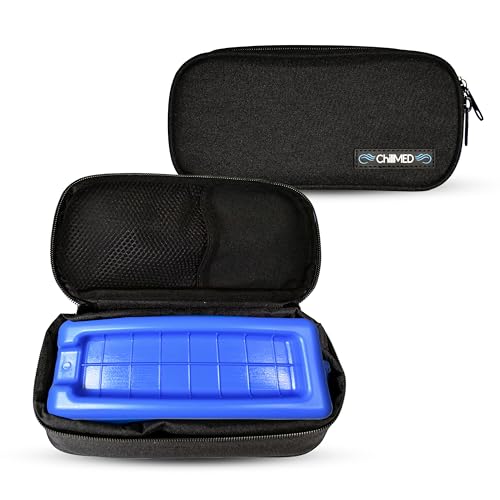
- Medicine cooler or room-temperature limits written down — 1 — for insulin or anything refrigerated
- Spare glasses, hearing-aid batteries, denture supplies — 1 set — the things that run out quietly
- Powered device backup (oxygen, CPAP) — 1 — plus registration with the utility’s medical program
- Doctor’s emergency information — 1 sheet — diagnoses and what to do
Check-in and communication
- Daily check-in time agreed — with you and one backup — the whole system depends on it
- Neighbor with a key — 1 — and your number on their fridge
- Corded landline phone, if they have a landline — 1 — cordless phones stop working when the power does
- Phone power bank — 1, kept charged — plus a cable they can plug in themselves
- Large-print contact list by the phone — 1 — family, neighbor, doctor, pharmacy, utility outage line
- Battery or hand-crank weather radio — 1 — for alerts when the TV and phone are off
- County alert sign-up — 1 — on their phone, and on yours for their address
Heat and cold
- Plan for a hot house — 1 — where they go when it’s over about 85 °F (29 °C) indoors: your house, a library, a cooling center
- Battery fan — 1–2 — useful, but not a substitute for leaving in a heat wave
- Plan for a cold house — 1 — one warm room, extra blankets, and when to leave
- Warm layers and a sleeping bag or heavy comforter — 1 — near the bed
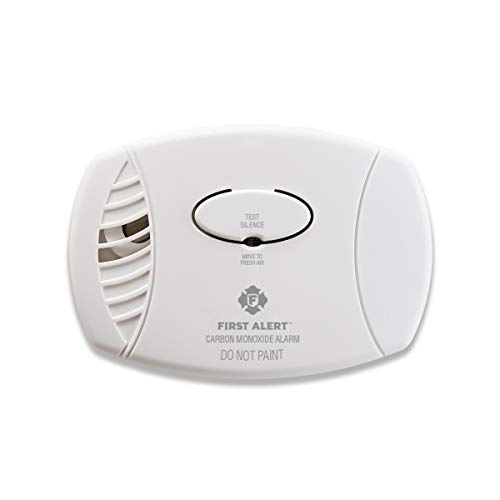
- Carbon monoxide and smoke alarms tested — every alarm — older adults are at higher risk from both
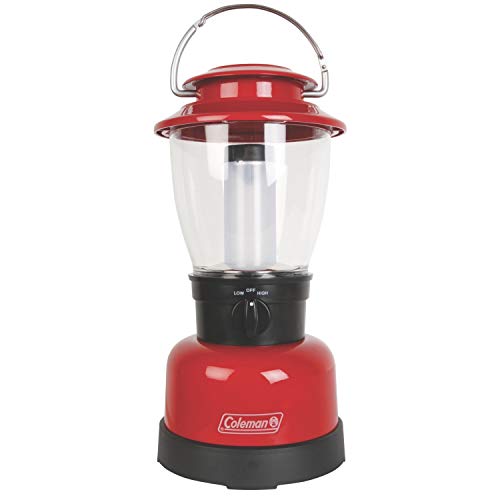
- Flashlight or lantern by the bed — 1 per room used at night — falls in the dark are a common outage injury
Food and water
- Water — 1 gallon (3.8 L) per day for 14 days — in containers they can lift, no more than about 2 gallons each
- Easy food — two weeks — soft, low-salt if needed, easy-open cans or pull tabs; see the two-week pantry
- Manual can opener — 1 — one they can actually use with their hands
Go-bag
- Small rolling bag — 1 — lighter to manage than a backpack
- Three days of medication and the medication list — 1 set — the most important item in it
- Copies of ID, insurance and Medicare cards — 1 set — in a zip bag
- Glasses, hearing aids, chargers — 1 set — easy to forget in a hurry
- Change of clothes, toiletries, a small blanket — 1 set — for a night somewhere else
Paperwork
- Contact list for family and the out-of-area contact — 1 — on the fridge and in the bag
- Advance directive and healthcare proxy copies — 1 set — where family can find them
- Insurance policies and the agent’s number — 1 — for the house and contents
- A scanned set you can reach from your phone — 1 — see backing up your documents
Getting out
- Registry for help evacuating — if the county has one — call county emergency management to ask
- Who drives them if they have to leave — 1 named person, 1 backup — decided now
- Mobility aids and a spare battery — as needed — labeled with name and phone number
Once a year
Pick a date, such as the start of hurricane season or the first cold snap, and review the list on a visit: check expiration dates, test the alarms, swap the water (and set a reminder for the next swap in six months) and update the contact list. The wider guide, prepping with medication, allergies or mobility limits, has more on powered devices, refrigerated medicine and registries.
Quick answers
How do I check on an elderly parent who lives alone?
Agree on a daily check-in: a text, call or “good morning” message at a set time. If it doesn’t arrive by an agreed hour, you call; if they don’t answer, a neighbor who has a key knocks. Many areas also offer free daily telephone reassurance calls for older adults through the local Area Agency on Aging.
What should be in an elderly parent’s go-bag?
A small rolling bag, lighter to manage than a backpack, holding three days of medication and the printed medication list, copies of ID, insurance and Medicare cards in a zip bag, glasses, hearing aids and chargers, and a change of clothes, toiletries and a small blanket. The medication and the list are the most important items.
When should an older parent leave a hot house?
Agree on the plan in advance, with a clear trigger such as the house going over about 85 °F (29 °C) indoors. Decide where they go, whether your house, a library or a cooling center, and who drives them. A battery fan helps but is not a substitute for leaving during a heat wave. Ask their doctor if they have conditions or medicines that affect heat.
Where can I find local help for older adults in emergencies?
Start with the local Area Agency on Aging, which can tell you about check-in programs, meal delivery, help with utility bills and transportation. Find yours through the Eldercare Locator at 1-800-677-1116 or eldercare.acl.gov. For help evacuating, call county emergency management and ask whether the county keeps a registry.
Printable
Living self-reliant inventory checklist (PDF, 1 page). The supplies for this section on one sheet; take it on the next visit and check off what’s done.





 4

Comments
No comments yet. Read the comment guidelines before posting.