Prepper Black Friday Deals
A kitchen counter with a weekly pill organizer, three amber prescription bottles, a small zip pouch with a printed medication list and a soft cooler bag with a gel pack beside it.
Stockpiling non-food items

Medication supply: how to build a 90-day buffer legally

How to build a 90-day supply of medication legally: 90-day fills, early-refill windows, emergency rules, and storing it when the power goes out.

Shane RichardOct 16, 20268 min readGuide
The medication buffer: the bottles, the list, and the cooler for whatever needs to stay cold.

If someone in the house depends on a daily prescription, the most useful preparation you can make is a supply buffer: medicine on the shelf beyond the next refill, so a closed pharmacy, a storm or an evacuation doesn’t become a medical problem. Three to four weeks of buffer is a sensible first goal and a 90-day supply of medication a good long-term one. Nearly all of it can be done legally and without paying full price, by using rules that already exist: 90-day prescriptions, refill synchronization, early-refill windows and, in an emergency, the pharmacist’s own authority.

This is general information, not medical or legal advice. Rules differ by state, by insurer and by medicine, and controlled substances follow stricter rules still. The two people to talk to are the prescriber and the pharmacist, and both will usually be glad you asked.

RouteWhat it doesWho to ask
90-day prescriptionsThree months per fill instead of one; the buffer starts the day you switchPrescriber, then your insurer
Early refills within the plan’s windowRefilling a few days early each month builds a buffer over timePharmacist or insurer
Refill synchronizationAll medicines due on one date, so one trip and one checkPharmacist
Vacation or travel overrideA one-time early fill before a trip, usually limited per yearInsurer, via the pharmacist
Emergency refillsA short supply from the pharmacist when the prescriber can’t be reached, under state lawPharmacist; rules from your state board of pharmacy
Declared-emergency rulesIn a declared disaster many states and insurers relax refill limitsPharmacist, state health department

90-day supplies

For maintenance medicines taken every day, such as blood pressure, cholesterol, thyroid, diabetes and many others, ask the prescriber to write a 90-day prescription with refills. Most insurance plans cover a 90-day supply, and many charge less for it, especially through the plan’s mail-order pharmacy. This is the single biggest step: the day you switch, the household has up to three months on hand, and every fill thereafter arrives before the last one is finished.

Some medicines are not eligible, and some plans limit which pharmacy can fill a 90-day supply. The pharmacist can tell you in a minute what your plan allows.

Early refills and refill synchronization

Insurers will not pay for a refill “too soon,” but “too soon” has a window. Many plans allow a refill once about three-quarters of the previous supply should have been used, which on a 30-day fill is several days early. Refilling at the start of that window every month builds a buffer slowly and legally, without anyone taking more medicine than prescribed. Ask your pharmacist what your plan’s window is; it varies.

Refill synchronization (“med sync”) lines all the household’s prescriptions up to a single pickup date. It doesn’t add supply on its own, but it makes the buffer visible: one date a month to check what is on the shelf.

Vacation overrides

Most plans allow a one-time early fill for travel, typically once or twice a year. It exists for vacations, not for building a stockpile, so use it for what it is for: before a long trip, or when you have been told to expect an evacuation season away from home.

Emergency refills and declared disasters

Many states allow a pharmacist to dispense an emergency supply of a non-controlled maintenance medicine when the prescriber cannot be reached. The amount varies by state, from a few days to, in a declared emergency, as much as a month. Your state board of pharmacy publishes the rules, and the pharmacist will know them.

When a disaster is declared, many states and insurers temporarily lift refill-too-soon limits so people can stock up before a storm or replace what they lost. For people without insurance in a federally declared disaster, the federal Emergency Prescription Assistance Program (EPAP) can cover a replacement supply at participating pharmacies when it is activated. Watch your state health department’s announcements before hurricane or wildfire season.

Controlled medicines

Stimulants, opioids, some sleep and anxiety medicines and others are controlled substances, and federal and state law limit how much can be dispensed and when. Early refills and emergency supplies are often not possible. Talk to the prescriber well ahead of a known risk, such as a hurricane season or a long trip; they may be able to time prescriptions so you are not caught at the end of a fill.

Storing the buffer

  • In the original labeled containers. A pharmacy label is proof of the prescription if you need a refill elsewhere or are evacuating.
  • Cool, dry and dark. A bedroom closet, not the bathroom cabinet (steam) or the car (heat).
  • First in, first out. Put new fills behind the old ones and take from the front; the buffer then never goes out of date. Check expiration dates when you check the smoke alarms.
  • With a written list. One sheet per person: each medicine, dose, times, prescriber, pharmacy and phone numbers, plus allergies. Keep it in the medication pouch and a photo of it on every adult’s phone. Large chain pharmacies can usually transfer a prescription between their stores in another state, and the list makes that quick. Backing up your documents covers the rest of the paperwork.
A closet shelf with prescription bottles arranged in two rows, older bottles in front and newer behind, a printed medication list in a clear sleeve taped to the shelf edge.
First in, first out: new fills go behind, the oldest is used next, and the list on the shelf edge goes in the go-bag if you have to leave.

Insulin and other cold medicines in an outage

Some medicines must stay cold: insulin, certain injectable biologics, some liquid antibiotics and some eye drops. These need their own outage plan, made before the outage.

Insulin. Unopened insulin is normally stored in the fridge at 36–46 °F (2–8 °C). FDA guidance for emergencies is that most insulin can be kept at room temperature, between about 59 and 86 °F (15–30 °C), for up to 28 days, although some products differ; the package insert for your product has its own figure. Insulin must not freeze and should not sit directly on ice or in direct heat.

The practical plan:

  1. Keep the fridge shut. A closed fridge stays cold for about four hours, so there is time.
  2. Move to a cooler if the outage runs long or it is hot. A small cooler with gel packs, insulin wrapped so it doesn’t touch them, and a fridge thermometer inside. Evaporative cooling wallets made for insulin are a good addition for travel and heat.
  3. Note the date it came out of the fridge and count the 28 days (or your product’s figure) from there.
  4. Power for the fridge. A power station can keep a fridge cold for a day; see backup power for a normal house.

For every other refrigerated medicine, ask the pharmacist one question and write the answer on the medication list: “How long can this be out of the fridge, and at what temperature?”

"Ask one question at the counter: how long can this be out of the fridge? Write the answer on the list." The cold-medicine rule

The over-the-counter buffer for a household

Stores close and shelves empty in the same days a fever starts. A modest stock of the basics, in the forms your household already uses, avoids a midnight drive.

ItemWhy
Pain and fever reducers, adult and children’s formulationsThe most common need; children’s doses differ by weight and product
AntihistamineAllergies, itching, insect stings
Anti-diarrheal and oral rehydration saltsStomach bugs spread when water is short
AntacidDisrupted meals and stress
Hydrocortisone cream and antibiotic ointmentRashes, scrapes and cuts
Cough and cold remedies you already useComfort, not cure

Ask the pharmacist to check over-the-counter medicines against any prescriptions in the house; some common ones interact. For the bandage-and-gauze side, see what to add to a store-bought first aid kit.

Where this fits

Medication sits at the top of the list for any household that depends on it, above water and food in urgency, because there is no substitute on a shelf. The wider plan for medical needs, allergies and mobility limits is in prepping with medication, allergies or mobility limits, and the other consumables that run out first are in the 30 non-food items.

Start this month with one conversation: ask the prescriber about 90-day prescriptions and the pharmacist about your plan’s refill window. That is most of the buffer, done legally, in two phone calls.

Quick answers

Can I get a 90-day supply of my prescription?

For most daily maintenance medicines, yes. Ask the prescriber to write a 90-day prescription with refills; most insurance plans cover a 90-day supply, and many charge less for it, especially by mail order. Some medicines are not eligible, controlled substances follow stricter rules, and some plans limit which pharmacy can fill it, so ask your pharmacist what your plan allows.

How early can I refill a prescription?

Many insurance plans allow a refill once about three-quarters of the previous supply should have been used, which on a 30-day fill is several days early. Refilling at the start of that window every month builds a medication buffer legally, without taking more than prescribed. The window varies by plan and medicine, so ask your pharmacist what yours is.

Can a pharmacist give an emergency refill without a prescription?

In many states, yes: a pharmacist can dispense an emergency supply of a non-controlled maintenance medicine when the prescriber cannot be reached. The amount ranges from a few days to as much as a month in a declared emergency. Your state board of pharmacy publishes the rules. Controlled substances usually cannot be refilled this way.

How long can insulin be out of the fridge?

FDA emergency guidance is that most insulin can be kept at room temperature, about 59–86 °F (15–30 °C), for up to 28 days, though some products differ, so check your package insert. Insulin must not freeze or sit directly on ice. In a long outage, use a cooler with gel packs and a thermometer, and note the date it left the fridge.

Printable

Supplies & stockpiling inventory checklist (PDF, 1 page). Track the medication buffer alongside the rest of the household’s stored supplies.

Gear for this guide

Picks that match the specs in this guide, from makers with a track record. We haven't tested them yet. As an Amazon Associate we earn from qualifying purchases, at no cost to you. Add what you need to my list, then send the whole list to your Amazon cart all at once. Prices and availability are accurate as of the date and time shown and are subject to change. The price and availability shown on Amazon.com at the time of purchase will apply.

  • ChillMED

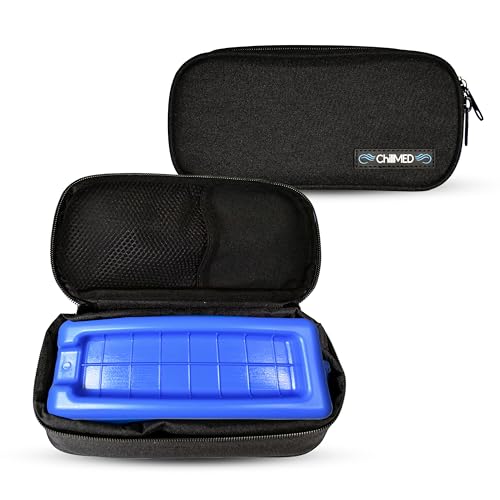
    ChillMED Insulin Cooler Travel Case with Ice Pack, up to 12 Hour Chill Time

    An insulated medication case with ice pack and a stated chill time of up to 12 hours.

    $19.99 on Amazon as of Nov 24, 7:06 a.m. CT

    Sold by Group Medical Supply, not Amazon

    Good to know: Ask your pharmacist what temperature range your medicine needs.

    View on Amazon
  • Adventure Medical Kits

    Adventure Medical Kits Oral Rehydration Salts, pack of 2

    Oral rehydration salt packets from an established outdoor first-aid maker.

    $27.98 ($396.88 / ounce) on Amazon as of Nov 24, 7:06 a.m. CT

    Sold by Pattern., not Amazon

    View on Amazon
  • Ezy Dose

    Ezy Dose Weekly AM/PM Pill Organizer, Large

    Seven-day organizer with separate morning and evening compartments, so a missed dose is visible to anyone checking in.

    $5.49 ($5.49 / count) on Amazon as of Nov 24, 7:06 a.m. CT

    View on Amazon
  • Frio

    Frio Extra Large Insulin Cooling Wallet

    Evaporative cooling wallet that needs no ice; the listing states 45+ hours of cooling after soaking it in water.

    $40.95 on Amazon as of Nov 24, 7:06 a.m. CT

    Sold by BIGFLY, not Amazon

    Good to know: Frio sizes by how many pens or vials it holds; check the size chart against what you carry.

    View on Amazon
  • Taylor

    Taylor 3507FS Refrigerator Freezer Thermometer

    A dial fridge thermometer to keep in the medicine cooler, so you can see it stays at 36-46 °F (2-8 °C).

    $8.12 on Amazon as of Nov 24, 7:06 a.m. CT

    Sold by Bell Street Wear, not Amazon

    View on Amazon

Share this with someone who’d use it

Some links on this page may be affiliate links; see our affiliate disclosure. Nothing here is medical or legal advice; check your local regulations.

Corrections

None yet.

Shane Richard

Written by

Shane Richard

Shane is a disabled US Army veteran who served as an M1A1 tank crewman, then spent his career in technology and manufacturing supply chains, keeping parts moving through COVID. He, his wife Heather and their three kids have ridden out tornadoes, the February 2021 Texas freeze, the 2026 floods in Northeast Texas and power outages that lasted days. He started Prepping Expert to give families the plain, affordable, step-by-step version he wished he'd had.

Comments

No comments yet. Read the comment guidelines before posting.

Popular guides

Topics

Tags

The weekly checklist

One preparedness job by email every Sunday. Five minutes.

The weekly checklist

One thing to do this week. Five minutes, every Sunday.

A single preparedness task by email, in the order we'd do them. No launches, no discounts, unsubscribe in one click.

Before you go

Take the one-page household checklist with you.

Forty lines. Check off what you have, circle what you don't, do one circled item a week. We'll email the PDF and the Sunday checklist; drop either any time.

Done

You're on the list.

First email lands Sunday. Check your spam folder once, then it'll behave.

We store your address and nothing else. Privacy