A small wooden house in a clearing with a ground-mounted solar array beside it, a stacked woodpile under a lean-to roof, a well cap in the grass and a gravel driveway.
Off-grid living costs for a family house: power, water, septic, heat and internet priced system by system, with lifespans, chores and resale reality.
Shane RichardOct 16, 20269 min readGuide · Complete guide
Every visible part of an off-grid house is a system someone has to buy, maintain and eventually replace. The woodpile is the cheap one.
Living fully off-grid with a family costs, in round numbers, $60,000 to $150,000 in systems on top of the land and the house, plus a few thousand dollars a year in replacements, fuel and repairs. That is not an argument against it. It is the number to have in front of you before the land listing, the YouTube channel or the cabin dream gets any further, because the people who regret going off-grid are mostly the ones who priced the panels and forgot everything else.
This guide breaks down off-grid living costs for the five systems a house needs (power, water, waste, heat, internet), says how long each lasts and what goes wrong with it, and ends with the resale question. Prices are late-2026 US ranges for installed systems; your quotes will differ by region, soil and how much you do yourself.
Off-grid living costs, system by system
System
Typical installed cost
Lifespan of the expensive part
Ongoing cost and chores
Solar array, batteries, inverter, backup generator
Generator fuel and servicing, battery monitoring, snow and dust on panels
Drilled well, pump, pressure tank, treatment
$10,000–30,000
Well decades; submersible pump 8–15 years
Annual water test, filter changes, pump on the power budget
Septic system
$8,000–30,000 (engineered or mound systems at the top)
20–40 years if looked after
Pumping every 3–5 years, $300–700 a visit
Wood heat (stove, chimney, hearth)
$4,000–10,000
Stove 15–25 years; chimney liner varies
3–6 cords a year in a cold climate, chimney sweep yearly
Internet
$300–600 hardware
Hardware 5+ years
$50–120 a month for satellite service
The ranges are wide because the land decides most of it: how deep the water is, whether the soil passes a percolation test, how far north you are and how many cloudy days you get in December. Get the well and septic answers before you buy the land, not after.
Power: the system that sets your lifestyle
An ordinary US house uses roughly 25–30 kWh of electricity a day. Off-grid families who live comfortably usually design for 10–20 kWh a day by switching cooking, water heating and clothes drying to propane or wood, and by buying the most efficient fridge they can find. That design choice matters more than the panels.
A system for that load is typically an 8–15 kW array, 20–40 kWh of lithium iron phosphate (LFP) batteries, an off-grid inverter/charger, and a backup generator for the cloudy week in winter. The federal 30% residential solar credit ended for homeowner-bought systems after 2025, so check the IRS and your state energy office for anything still available before you assume a discount.
Three things trip people up:
Winter. Panels produce a fraction of their summer output in December at northern latitudes. Either you oversize the array, or you run the generator, or you use less. Usually all three.
Replacement cycles. The batteries and the inverter are a third or more of the cost, and both will be replaced at least once in a 25-year mortgage. Put the replacement in the budget now: $10,000–25,000 every 10–15 years is a realistic band.
Loads that surprise you. A well pump, a freezer and a furnace blower can draw more than the rest of the house combined. Size the system for them first.
If the house is close to existing lines, price a grid connection before you price independence. A short utility hookup is often cheaper than one battery bank, and a grid-tied system with a battery gives you most of the outage protection. Backup power for a normal house covers the smaller version.
The expensive end of an off-grid power system: inverter, batteries and disconnects. The panels outside will outlast this wall at least once.
Water and waste: the systems you can’t see
The well. A drilled well is priced mostly by depth, and depth is a local fact you can find out: ask the county or state for well logs from neighboring parcels, and talk to two drillers. The well itself lasts decades; the submersible pump is the part that fails, usually at the worst time, and replacing it means pulling it up the casing, which is a professional job with a truck. Test the water when it is new and every year after for bacteria and nitrates, as the EPA recommends for private wells. A whole-house filter or treatment system is often needed and adds $1,000–5,000.
The pump also has to be in the power budget. A deep well pump can be the largest single load on an off-grid system, which is why many off-grid houses add a storage tank and pump into it during the sunny part of the day.
Septic. A conventional septic system is a tank and a drain field, and it only works if the soil drains at the right rate. Land that fails a percolation test needs an engineered system, which can double the cost. The maintenance is boring and non-negotiable: pump the tank every three to five years (the EPA’s general guidance), don’t put grease, wipes or chemicals down the drains, and keep vehicles off the field. A failed drain field is a five-figure repair. If you are curious about composting toilets, they are legal in some counties and not others; ask before you plan around one.
Heat: wood is cheap if your time is free
Wood heat is the most satisfying off-grid system and the most labor. Heating a house through a northern winter takes three to six cords of seasoned hardwood. Bought delivered and split, that is roughly $250–450 a cord in most of the country, which makes it $750–2,700 a year. Cut yourself from your own land, it is chainsaw fuel and a lot of weekends: felling, bucking, splitting, stacking and a full year of seasoning before it burns cleanly.
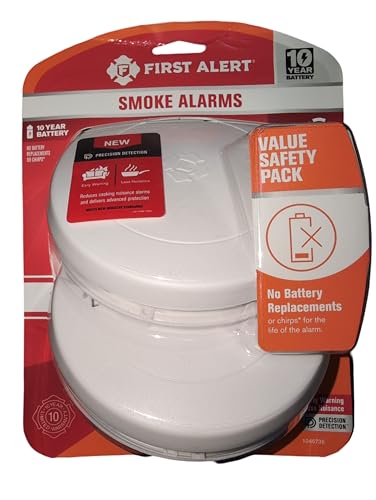
The rest of the cost is safety. An EPA-certified stove, a properly installed chimney, a hearth that meets code, a permit and an inspection, smoke and CO alarms, and an annual chimney sweep. Your insurer will want to know about the stove. Most families keep a propane furnace or heat pump as backup so the house survives a week when nobody is home to feed the fire, and so the pipes don’t freeze when somebody gets the flu.
Internet, roads and the rest of the bill
Satellite internet has made remote living practical for people who work from home. Budget $50–120 a month plus hardware, and expect it to drop out in heavy snow or under trees.
The costs people leave off the spreadsheet are less glamorous:
The road. A long gravel driveway needs grading, gravel and snow clearing. A plow attachment or a contractor is a real winter line item.
Distance. The nearest hardware store, pharmacy and hospital are farther away. Fuel, time and the risk of a medical emergency far from help go up.
Insurance. Some insurers charge more for homes far from a fire hydrant or a staffed fire station, or with wood heat. Get a quote on the actual address.
Tools and spares. A spare pump control, fuses, a second chainsaw chain, a generator service kit. Off-grid means you are the first responder for every system.
The labor and the failure modes
The honest description of off-grid life is: a part-time job running a small utility company. Expect weekly chores (checking the battery state, the generator, the woodpile, the water filter) and one or two real failures a year. The common ones are dull: a pump control fails, an inverter faults in a lightning storm, a generator won’t start because the fuel went stale, a pipe freezes during a long cloudy spell when the heat ran low.
"Off-grid is a part-time job running a small utility. Price the job, not just the equipment."
The trade-off, in one line
None of those are dangerous on their own. They become a problem when they coincide with a cold snap, a sick child or a work trip. Families who do well off-grid usually have one adult who enjoys the mechanics and a budget that can absorb a $3,000 surprise without stress.
The resale reality
An off-grid house is a narrower market. Mortgage lenders and appraisers are more cautious with homes that have no utility connection, and many buyers will not consider one. A grid-tied house with solar is easy to sell; a house with a 12-year-old battery bank and a homemade water system is a negotiation. Keep records of every system: installation dates, permits, service logs and water tests. They are what a buyer’s inspector will ask for, and they turn “quirky” into “maintained.”
Why most families want partial off-grid instead
If the goal is resilience rather than a lifestyle, you can get most of the benefit on the lot you already own: a battery or generator for outages, a wood stove for heat, rain barrels for garden water and enough stored drinking water to sit out two weeks. That costs a fraction of the full version, keeps the grid as your first line, and doesn’t ask you to move. Partial off-grid: solar, wood and water for a suburban house is the practical version.
If you still want the full version, do it in stages. Rent in the area for a winter. Get the well and septic answers on paper before you close. Build the power system for the loads you have measured, not the ones you hope for. And read homesteading on a normal lot first, because most of the skills transfer and none of the mistakes are expensive yet. If the bigger worry behind the plan is a long grid failure, grid-down, EMP and the difference between plausible and movie plot is a useful reality check.
Quick answers
How much does it cost to live off-grid?
For a family house, fully off-grid systems typically cost $60,000–150,000 on top of the land and the house: power, a drilled well, septic, wood heat and satellite internet. Add a few thousand dollars a year for replacements, fuel and repairs. The land decides most of the range, through well depth, soil drainage and how much winter sun you get.
How long do off-grid solar batteries last?
Lithium iron phosphate (LFP) batteries in an off-grid system typically last 10–15 years, and so does the inverter. Panels last 25–30 years. Budget $10,000–25,000 to replace the batteries and inverter every 10–15 years, because both will be replaced at least once over a 25-year mortgage. They are a third or more of the power system’s cost.
How much solar do you need to live off-grid?
Off-grid families who live comfortably usually design for 10–20 kWh a day, against roughly 25–30 kWh for an ordinary US house, by cooking, heating water and drying clothes with propane or wood. That load typically needs an 8–15 kW solar array, 20–40 kWh of batteries, an off-grid inverter and a backup generator for cloudy winter weeks.
Is an off-grid house harder to sell?
Usually, yes. An off-grid house is a narrower market: mortgage lenders and appraisers are more cautious with homes that have no utility connection, and many buyers won’t consider one. A grid-tied house with solar sells easily. Keep installation dates, permits, service logs and water tests for every system, because a buyer’s inspector will ask for them.
Picks that match the specs in this guide, from makers with a track record. We haven't tested them yet. As an Amazon Associate we earn from qualifying purchases, at no cost to you. Add what you need to my list, then send the whole list to your Amazon cart all at once. Prices and availability are accurate as of the date and time shown and are subject to change. The price and availability shown on Amazon.com at the time of purchase will apply.
First Alert
First Alert CO400 battery CO alarm
Battery-operated carbon monoxide detector, single pack.
$21.99 on Amazon as of Nov 24, 7:06 a.m. CT
Good to know: Put one on every level and outside sleeping areas.
Shane is a disabled US Army veteran who served as an M1A1 tank crewman, then spent his career in technology and manufacturing supply chains, keeping parts moving through COVID. He, his wife Heather and their three kids have ridden out tornadoes, the February 2021 Texas freeze, the 2026 floods in Northeast Texas and power outages that lasted days. He started Prepping Expert to give families the plain, affordable, step-by-step version he wished he'd had.
Partial off-grid for a suburban house: a solar battery, a wood stove and a rain barrel, what each costs and what it actually does when the power goes out.






 4

Comments
No comments yet. Read the comment guidelines before posting.