A car stopped on the shoulder of a snow-covered rural road at dusk, hazard lights glowing, a bright orange cloth tied to its antenna and snow drifting against the wheels.
Hazards on, a bright cloth on the antenna, the exhaust dug clear. A stranded car that looks occupied is a car that gets found.
If you are stranded in snow in your car, what to do is the same in almost every situation: stay in the car, keep the exhaust clear, run the engine in short bursts for heat, stay insulated and visible, and wait. The National Weather Service, the Red Cross and state transportation departments all give versions of this advice, and they agree on the core. People get hurt when they leave the car in a storm, or when they sit in a running car with a blocked exhaust pipe.
This guide puts that advice into the order you would actually do it, from the moment the car stops to the moment help arrives. It assumes you have something like the winter car kit in the trunk; if you don’t, the same plan works with less comfort.
What to do if stranded in snow: the first ten minutes
You’ve slid into a ditch, or traffic has stopped in a whiteout, or the car won’t go any further. Before anything else:
Stop trying to drive out if it isn’t working. Spinning the wheels digs the car in and burns fuel. One or two gentle attempts, then stop.
Hazard lights on. If you can, get the car out of the travel lane; if you can’t, stay buckled in for now in case another car slides into you.
Call for help. 911 if anyone is hurt or in danger, otherwise the non-emergency number or roadside assistance. Give your location as precisely as you can: road name, direction, the last mile marker, exit or town you passed. Share your location from the phone as well.
Check the exhaust pipe. Get out carefully, on the side away from traffic, and clear snow from around the tailpipe. Snow packed around the exhaust can push carbon monoxide into the car.
Decide to stay. In nearly every case, you are now waiting.
Then text the people who are expecting you, put your phone into low-power mode and keep it inside your clothes; cold drains batteries quickly.
The carbon monoxide rule
This is the one part of the plan that kills people when it’s skipped. Carbon monoxide has no smell or color, and a stranded car with a blocked exhaust and closed windows can fill with it.
Clear the exhaust before running the engine, and check it again each time, especially if snow is still falling or drifting.
Crack a window on the side away from the wind, about half an inch (1 cm), whenever the engine runs or any flame is lit.
Run the engine about 10 minutes each hour for heat, which is the National Weather Service’s guidance. It warms the car, charges the phone and saves fuel for a long wait.
Use the dome light only while the engine runs, so you don’t drain the battery.
Headache, dizziness, nausea or unusual sleepiness while the engine is running are warning signs. Turn the engine off, open the windows, and call 911. A battery carbon monoxide alarm in the car is cheap and removes the guesswork.
"Clear the pipe, crack the window, ten minutes an hour. Everything else in the plan is about comfort."
The exhaust rule, in one line
Hour 1: settle in
Once help is called and the exhaust is clear, set the car up for a long wait, even if you hope it will be short.
Make the car visible. Tie a bright cloth to the antenna or a door handle. Put the help sign in the rear window. At night, the dome light during engine runs shows the car is occupied.
Get the insulation out before you’re cold. Sleeping bags or blankets, hats, gloves, dry socks. It is much easier to stay warm than to get warm again.
Move everyone into the smallest space. Front seats or back seats, close together. Shared body heat helps.
Put a hand warmer in each pocket and keep the water bottles inside the blankets so they don’t freeze.
Ration the engine and the phone, not food or water at this stage.
Hours 2 to 6: keep warm, eat, drink
By the second hour the car is cold between engine runs, and the work is keeping body temperature up without sweating.
Keep warm. Stay wrapped up, with heads covered. Do small movements every so often: clench and release fists, flex feet, roll shoulders, swap seats. Avoid working hard enough to sweat, for example digging for a long stretch, because damp clothes lose heat fast. If you dig, do it in short spells and change into dry layers after.
Eat. Food is fuel for body heat. Eat small amounts regularly rather than saving it all; high-calorie snacks are what the kit is for.
Drink. Dehydration makes you colder and more tired. Sip water regularly. Don’t eat snow: it lowers your body temperature and takes energy to melt inside you. If you run low, melt snow in a container, using the warmth of the car during engine runs or a candle tin with the window cracked.
Take turns. If more than one adult is in the car, take turns sleeping. One person stays awake to run the engine on schedule, check the exhaust, watch any flame and listen for rescuers.
Hour three: sleeping bags out, food and water within reach, one window cracked, and a light that shows rescuers someone is inside.
Watch for cold injury
Check each other. CDC guidance lists the signs of hypothermia as shivering, exhaustion, confusion, fumbling hands, memory loss, slurred speech and drowsiness; in babies, bright red cold skin and very low energy. Frostbite shows as numbness and white or grayish-yellow, firm or waxy skin, usually on fingers, toes, nose and ears. If you see these, warm the person’s core first with blankets and shared body heat, give warm drinks if they are alert, and tell the 911 dispatcher. Don’t rub frostbitten skin.
Overnight and beyond
If the wait runs into the night, nothing changes except that the checks matter more.
Keep the 10-minutes-an-hour schedule, and check the exhaust every time, because drifting snow builds up quietly.
Watch the fuel. At a quarter tank, stretch the gap between engine runs. A car that left home above half a tank, as the best bug out vehicle is the one you own recommends, has a long reserve here.
Call or text for an update every few hours, not constantly, to save the battery.
Clear snow off the roof if it is piling up, so the car stays visible from the air and the road.
When (not) to walk
Leaving the car is the most common fatal mistake in this situation. The car is shelter from wind and snow, and it is much easier to spot than a person on foot in a whiteout. The general rule in National Weather Service and Red Cross guidance: don’t leave the car to look for help unless help is clearly visible, roughly 100 yards (90 m) away or closer.
There are a few exceptions. If the car is in danger, for example in rising water, or on fire, or on a road where it is likely to be hit, move to a safer spot nearby and stay visible. If you are certain of a nearby building you can see and the weather is calm, walking may be reasonable. Walking into a storm toward a town you think is “a few miles” away is not.
After: getting going, or getting picked up
When the plow, a tow truck or rescuers arrive, follow their instructions. If you are driving out yourself after the storm, clear all the windows and lights, check the exhaust one last time, and drive slowly. Then refill the kit: replace food, water, hand warmers and batteries, dry the sleeping bags, and recharge the power bank.
The night before you need it
Most of this plan is decided before the trip:
Check the forecast and road reports. If the authorities say don’t travel, don’t.
Leave above half a tank, with the winter kit in the trunk and phones charged.
Tell someone your route and arrival time.
Dress for the wait, not the drive, or at least bring the layers.
If the trip can wait, the safest version of this plan is the one where you never use it. Staying home and sheltering in place through a storm is uncomfortable; a car in a drift is worse. The decision tree puts blizzards on the stay side for exactly that reason.
Quick answers
Should you stay in your car if stranded in snow?
Yes. Stay with the car unless help is clearly visible, roughly 100 yards (90 m) away or closer, which is the general rule in National Weather Service and Red Cross guidance. The car shelters you from wind and snow and is far easier for rescuers to spot than a person on foot. Leave only if the car itself is in danger, such as rising water or fire.
How often should you run the engine when stranded in snow?
Run the engine about 10 minutes each hour for heat, which is the National Weather Service’s guidance. Clear snow from the exhaust pipe first and check it every time, and crack a window on the side away from the wind by about half an inch (1 cm). Headache, dizziness or sleepiness while it runs are carbon monoxide warning signs.
Is it safe to eat snow if you’re stuck in your car?
No. Eating snow lowers your body temperature and takes energy to melt inside you. Melt it in a container first, using the warmth of the car during engine runs or a candle tin with the window cracked. Sip water regularly while you wait, because dehydration makes you colder and more tired, and eat small amounts of high-calorie food.
What are the signs of hypothermia in a stranded car?
CDC guidance lists the signs of hypothermia as shivering, exhaustion, confusion, fumbling hands, memory loss, slurred speech and drowsiness; in babies, bright red cold skin and very low energy. If you see them, warm the person’s core first with blankets and shared body heat, give warm drinks only if they are alert, and tell the 911 dispatcher.
Printable
Bugging out & mobility inventory checklist (PDF, 1 page). The winter car kit, with the exhaust rule printed at the top to keep in the glove box.
Picks that match the specs in this guide, from makers with a track record. We haven't tested them yet. As an Amazon Associate we earn from qualifying purchases, at no cost to you. Add what you need to my list, then send the whole list to your Amazon cart all at once. Prices and availability are accurate as of the date and time shown and are subject to change. The price and availability shown on Amazon.com at the time of purchase will apply.
Swiss Safe
Swiss Safe Mylar Emergency Blankets, 4 pack
Pack of 4 mylar emergency blankets.
No price from Amazon right now (checked Nov 24, 7:06 a.m. CT)
Shane is a disabled US Army veteran who served as an M1A1 tank crewman, then spent his career in technology and manufacturing supply chains, keeping parts moving through COVID. He, his wife Heather and their three kids have ridden out tornadoes, the February 2021 Texas freeze, the 2026 floods in Northeast Texas and power outages that lasted days. He started Prepping Expert to give families the plain, affordable, step-by-step version he wished he'd had.
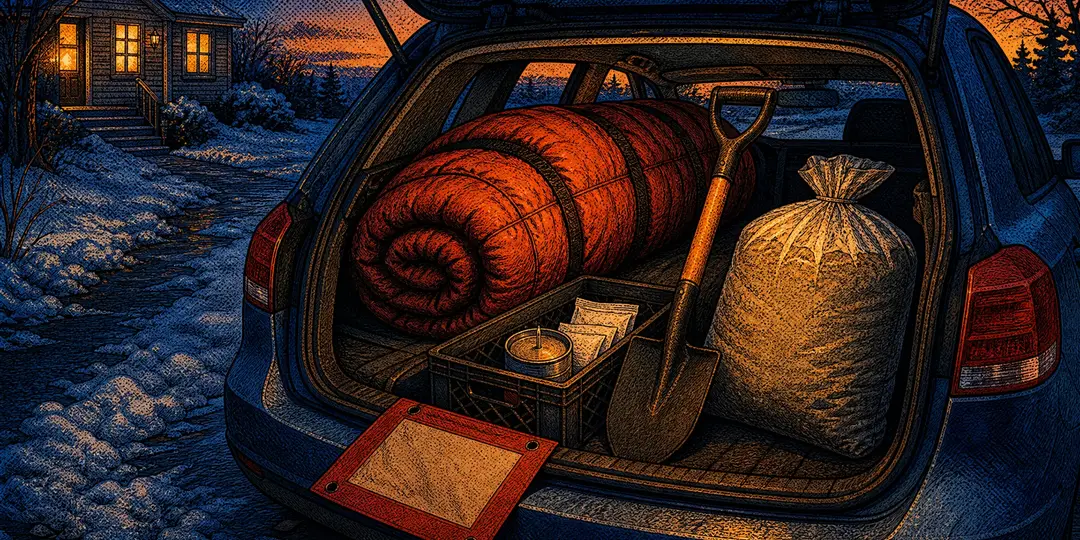
The winter car emergency kit, item by item: what to carry from November to March, how many of each, why, and what the whole crate costs, about $120–250.
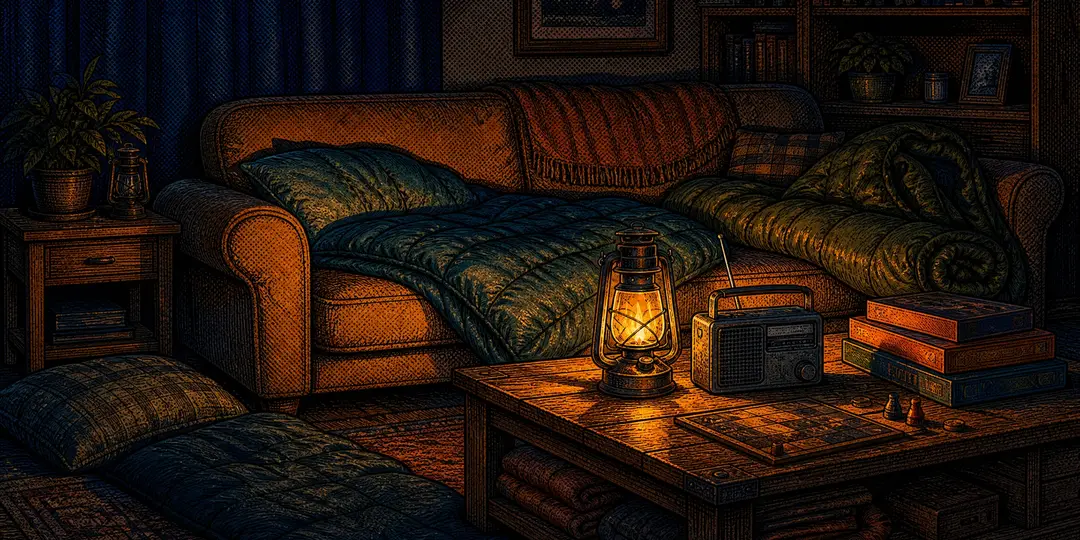
Day by day through a week-long power outage at home: what runs out when, what the five basics do at each stage, and the two mistakes that make it dangerous.
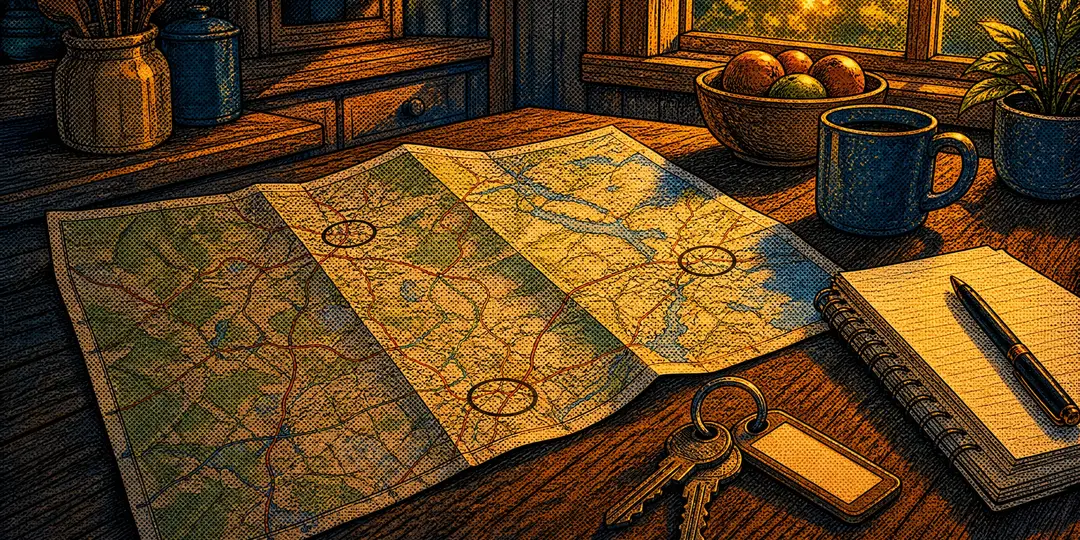
Bug out locations without a cabin: three places in three directions at three distances, with the people at the other end expecting you. How to set them up.
We use Google Analytics cookies to count visits and see which guides help. No ads, nothing sold. Cookie policy








 4
Comments
No comments yet. Read the comment guidelines before posting.