An open hall closet beside a front door, a labeled tote on the floor under hanging coats, a small backpack on a hook at shoulder height and a headlamp hanging from the same hook.
The two layers: a grab bag on the hook by the door, the stay tote on the closet floor beneath it.
The most common way a home kit fails is not missing items. It is a well-packed tote on a garage shelf behind the bikes, with the power out, the garage door opener dead and the only flashlight in the house inside the tote. Where to store an emergency kit matters as much as what is in it, and the answer for most houses is the same: a closet near the main exit, on the floor, with a label you can read by phone light.
This guide gives you three tests for any spot, the best and worst place in three common kinds of home, and a simple way to split the kit so the urgent part is always within reach. The packing list itself is in the home survival kit.
The three tests
Stand where you think the kit should go and ask three questions.
1. Can you reach it in the dark? Not “could you find it with a flashlight,” because the flashlight is in the kit. Could you walk there from your bed with the lights off, put your hand on it and pull it out, without moving anything else? Night is when outages feel worst, and storms often knock the power out in the evening.
2. Can you reach it in ten seconds from the main living area? Not ten minutes, not after clearing a shelf. If it takes longer, the household will reach for phones instead, and the phones will be at 30% when the outage turns out to be a long one.
3. Can you reach it if the garage door has no power? Most garage door openers stop working when the power goes out. There is a manual release on most of them, usually a cord hanging from the rail, but it is awkward in the dark, the door may be heavy, and on some houses the only access is from outside. If the kit is behind a door you have never opened by hand, it fails this test. (California has required battery backup on newly installed residential openers since 2019; most other houses don’t have it.)
A spot that passes all three is a good spot. A spot that fails any one of them is storage, not a kit location.
"If you need the flashlight to find the kit, and the flashlight is in the kit, you don’t have a kit."
The first test, in one line
Where to store an emergency kit, by type of home
Home
Use
Avoid
Why
Apartment or condo
Entry closet, or under the bed nearest the front door
A building storage cage or locker
Storage cages are often in a basement or garage level that may be locked, flooded or dark in an outage
House with a basement
Hall or coat closet on the main floor
The basement itself
Basements flood first, stairs are the hardest thing to manage in the dark, and you may need to leave quickly
House with an attached garage
Hall or mudroom closet on the house side of the garage door
Garage shelving, especially the back wall
Garages fail the powerless-door test, run hot in summer (bad for batteries, medicine and water) and fill up with everything else
Apartments and small spaces
In an apartment the problem is space, not distance. Everything is close; the question is whether it is buried. The entry closet is the first choice. If it is full, under the bed works, as long as the tote slides out without moving anything else, and the bed is the one nearest the door. A tall, narrow plastic drawer unit in a closet corner can stand in for a tote and keeps things visible.
Avoid the building storage locker. It is often down a stairwell or across a parking level, behind a door that may need a fob or a key you can’t find in the dark, and in some buildings it is the first place to flood. Prepping in 600 square feet has more on fitting supplies into small homes, and apartment evacuation covers getting out with them.
Houses with a basement
The basement is where storage naturally goes, and it is a fine place for the two-week water supply and overflow pantry, as long as it is dry. The kit should not go there. Basements are the first part of the house to flood, the stairs are a fall risk in the dark, and if you need to leave in a hurry, you want the kit on your way out, not one floor down. Put it in a main-floor closet and let the basement hold the bulk.
Houses with a garage
The garage is where most kits end up, and it fails two of the three tests. Beyond the door problem, garages in much of the country get well over 100 °F (38 °C) in summer and below freezing in winter, which shortens the life of batteries, medicine, food and stored water. Keep the kit in the mudroom or hall closet on the house side. The garage is fine for things that tolerate heat and cold, such as a spare tarp, tools and the grill, and the right place for fuel, away from the living space and any ignition source.
The usual location, and why it fails: behind two bikes and a mower, at head height, behind a door that won’t open without power.
Split the kit: the grab layer and the stay layer
A full home kit for four is too big to keep by the door and too important to bury. The answer is two layers.
The grab layer is small enough to hang on a hook or sit on a shelf by the main exit: a headlamp for each person (or at least two), the copies of your documents, the contact card, some cash, phone cables and a small power bank, and any medication someone can’t miss. If you have to leave in two minutes, you take this and go. A small backpack works. It should weigh a few pounds.
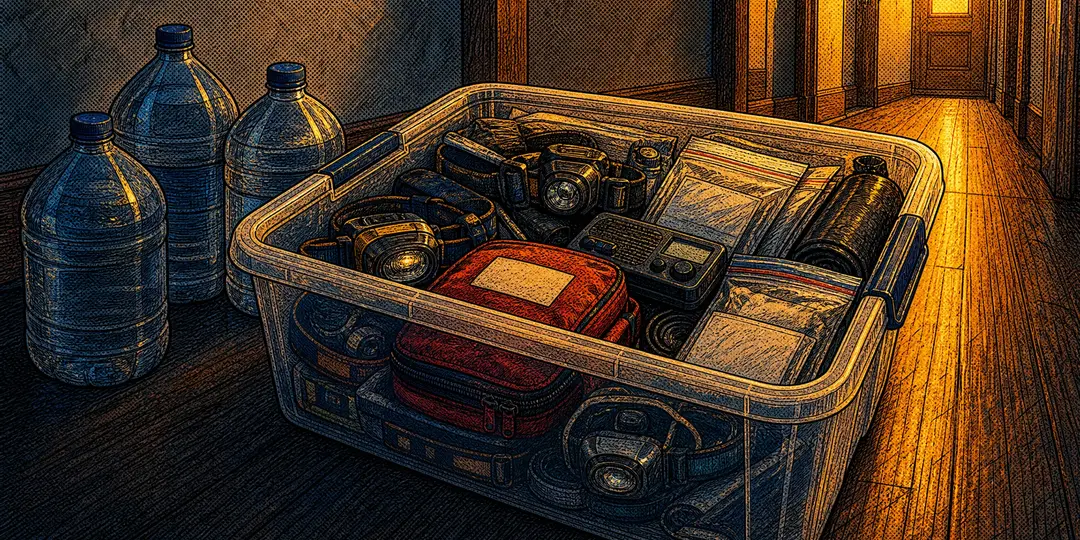
The stay layer is the tote: the radio, the lantern, the first aid kit, sanitation supplies, tools, blankets and snacks. It is what you use when you are staying put in the dark for a few days. It lives in the closet, on the floor, with the water jugs beside it.
Two rules keep the split working. First, the grab layer has to be complete on its own for the first hour: light, papers, money, medication, a way to charge a phone. Second, nothing in either layer is borrowed for everyday use. The moment a headlamp goes camping and doesn’t come back, the kit is short.
If your hazard list includes evacuation, such as hurricane or wildfire, the grab layer may be an adult’s full bug out bag. Bug in vs bug out covers that decision.
Label it, and tell everyone
A kit only one person knows about is that person’s kit. Two things fix that.
Label it on two sides, large, in plain words: “EMERGENCY KIT: light, radio, first aid.” Two sides because totes get turned around. Put a strip of reflective or glow tape on the lid if you like; it helps in the dark and costs a few dollars.
Tell everyone who stays in the house. That means partners and children, of course, but also grandparents who visit, a regular babysitter, a house-sitter or a dog-walker with a key. A one-line note on the fridge or the inside of the closet door does it: “Emergency kit is in this closet, headlamps in the bag on the hook, water shut-off is under the kitchen sink.” Walk older children to it once and let them find it with the lights off. Most will think it’s a game, which is fine.
The ten-minute check
Once the kit has a home, test the location, not just the contents. Some evening, turn off the lights, start in the bedroom farthest from the closet and time how long it takes to get a headlamp on. If it is under a minute, you’re done. If someone trips over the shoe rack on the way, move the shoe rack. Then add the location to the twice-a-year check, alongside battery dates and expired medicine, because closets fill up and kits get buried slowly.
Quick answers
Where is the best place to keep an emergency kit?
For most homes, the best place for an emergency kit is a closet near the main exit, on the main floor, on the floor of the closet, with a label you can read by phone light. The spot should pass three tests: you can reach it in the dark, within ten seconds of the main living area, and without opening a powered garage door.
Is the garage a good place to store an emergency kit?
Usually not. Most garage door openers stop working when the power goes out, and the manual release is awkward in the dark. Garages also get well over 100°F (38°C) in summer in much of the country and freeze in winter, which shortens the life of batteries, medicine, food and water. Keep the kit in a closet on the house side.
Should you keep an emergency kit in the basement?
No. Basements are the first part of a house to flood, the stairs are a fall risk in the dark, and if you need to leave quickly you want the emergency kit on your way out, not one floor down. A dry basement is still a fine place for the two-week water supply and overflow pantry.
What goes in the grab bag by the door?
The grab layer of a home kit holds what you need for the first hour if you leave in two minutes: a headlamp for each person, or at least two, copies of your documents, a contact card, some cash, phone cables and a small power bank, and any medication someone can’t miss. It fits in a small backpack and weighs a few pounds.
Printable
Kits & bags inventory checklist (PDF, 1 page). The kit lists on one page; tape a copy inside the closet door.
Picks that match the specs in this guide, from makers with a track record. We haven't tested them yet. As an Amazon Associate we earn from qualifying purchases, at no cost to you. Add what you need to my list, then send the whole list to your Amazon cart all at once. Prices and availability are accurate as of the date and time shown and are subject to change. The price and availability shown on Amazon.com at the time of purchase will apply.
Sterilite
Sterilite 64 Qt Latching Box, Clear, 4 pack
Clear 64-quart totes with latching lids: the size the home kit calls for, and one spare for a destination bin.
$56.99 ($14.25 / count) on Amazon as of Nov 24, 7:06 a.m. CT
Sold by Spreetail, not Amazon
Good to know: Keep water jugs beside the tote, not in it; a full tote of water is too heavy to lift.
A 23-liter (1,400 cubic inch) cinch-top pack in weatherproof nylon, 20 by 14 by 5 inches, about half a pound, with padded mesh shoulder straps. Attaches to 5.11's larger RUSH backpacks.
No price from Amazon right now (checked Nov 24, 7:06 a.m. CT)
Good to know: A simple cinch-top carryall with one main compartment, not a framed hiking pack. Keep the load light.
Shane is a disabled US Army veteran who served as an M1A1 tank crewman, then spent his career in technology and manufacturing supply chains, keeping parts moving through COVID. He, his wife Heather and their three kids have ridden out tornadoes, the February 2021 Texas freeze, the 2026 floods in Northeast Texas and power outages that lasted days. He started Prepping Expert to give families the plain, affordable, step-by-step version he wished he'd had.
A 72-hour emergency kit in one labeled tote: light, news, first aid, papers and what you can’t find in the dark. What goes in, what stays out, and the cost.
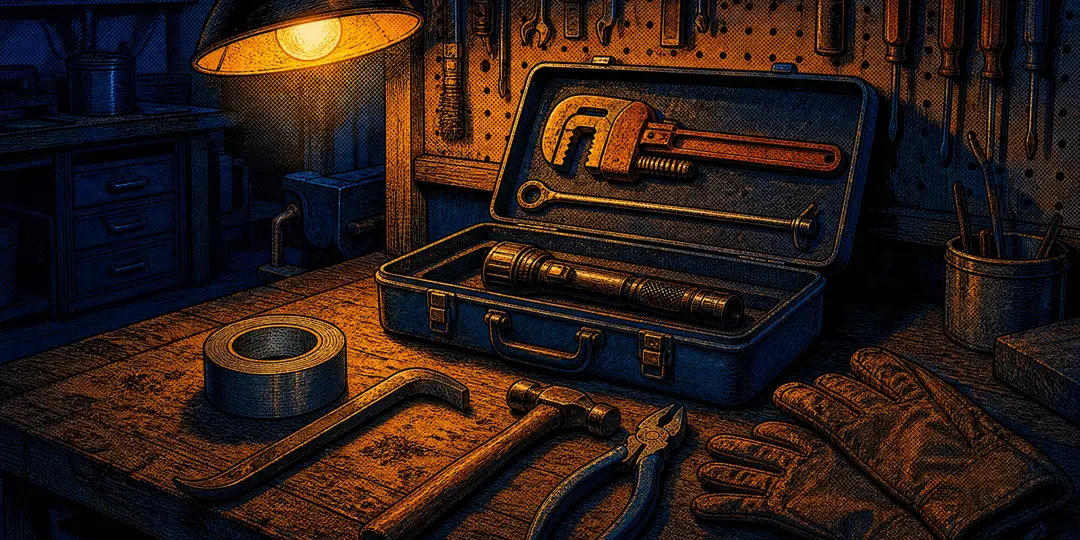
A home emergency tool kit is mostly about shutoffs: find the water, gas and electric shutoffs now, hang the right wrench beside each, and add a short list of tools.
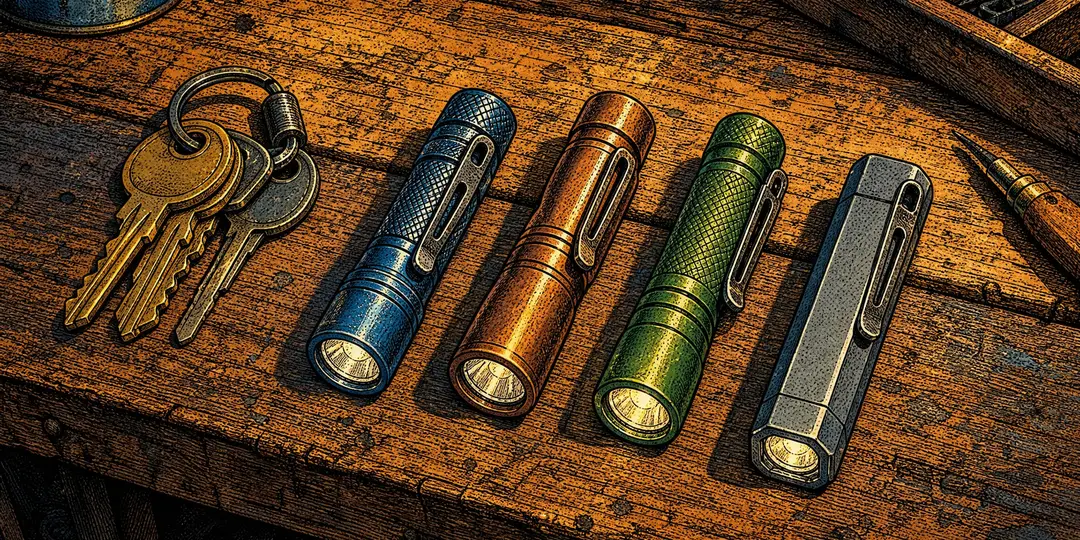
Choosing an EDC flashlight comes down to low-mode runtime, the clip and the switch, not lumens. The battery types compared, what to skip and how to check one.
We use Google Analytics cookies to count visits and see which guides help. No ads, nothing sold. Cookie policy






 4
Comments
No comments yet. Read the comment guidelines before posting.