Prepper Black Friday Deals
A kitchen counter in daylight with a jar of honey, a knob of fresh ginger, a mug of tea, a bottle of saline rinse, a small aloe plant in a pot and a pharmacy box of pain reliever.
Natural remedies

Natural remedies: what the evidence supports and what it doesn't

Do natural remedies work? Twenty common ones graded supported, plausible or unsupported, with safe use, who should skip each, and where they stop.

Shane RichardOct 16, 202610 min readGuide · Complete guide
The useful end of the remedy shelf is short, cheap and mostly in the kitchen already. The pharmacy box stays next to it.

Do natural remedies work? Most of those sold in the US have never been tested well enough to say. A few have, and a few of those do something useful for minor problems. A smaller group causes real harm, usually by interacting with a prescription or by being swallowed when it was meant for skin. This guide sorts twenty common ones into three bins, says how to use the useful ones safely, and is plain about where they stop.

This is not medical advice. It is a reading of what the National Center for Complementary and Integrative Health (NCCIH), Cochrane reviews and the FDA have published, written for a household deciding what belongs on the shelf. Your doctor or pharmacist knows your medications; ask them before adding anything that you swallow.

How to read the evidence grades

We use three grades, and they are deliberately blunt.

Supported means more than one decent trial or a systematic review (usually Cochrane) found a real, if modest, benefit for a specific use. It does not mean “cures.” Honey makes a child’s cough a little less frequent; it does not treat the infection.

Plausible means some trials point one way, others don’t, or the studies are small. It might help; it’s cheap and low-risk if used as described; don’t count on it.

Unsupported means the good trials found nothing, or nobody has run good trials, or the risks outweigh any benefit. Some items in this bin are fine as a cup of tea. They are not treatment.

To check any remedy yourself, the NCCIH site (nccih.nih.gov) has a plain-language page for most herbs, with a “what the science says” and a “safety” section. Cochrane summaries (cochranelibrary.com) are free to read in plain language. Both are better sources than a label, a store clerk or a forum.

Do natural remedies work? Twenty, graded

RemedyThe claimEvidenceSafe use, and who should skip it
HoneyEases cough in coldsSupported (Cochrane, children)A teaspoon before bed for ages 1 and up. Never under 12 months (infant botulism risk).
Saline nasal rinseClears congestion, sinus symptomsSupportedUse distilled, sterile or boiled-then-cooled water only; FDA warns against tap water in rinses.
Oral rehydration solutionReplaces fluid lost to diarrhea or vomitingSupported (WHO standard)Pharmacy packets are best; a measured home recipe is a backup. Seek care for infants, blood in stool or no urination.
Peppermint oil capsulesEases IBS symptomsSupportedEnteric-coated capsules only. Can worsen heartburn. Never put peppermint oil near a small child’s face.
GingerEases nauseaSupported for pregnancy nausea; plausible otherwiseTea or food amounts. Ask first if on blood thinners or pregnant and using supplements.
ProbioticsPrevent diarrhea from antibioticsPlausible to supported (Cochrane, modest)Generally safe for healthy adults; skip if seriously ill or immunocompromised unless a doctor agrees.
Cranberry productsPrevent repeat urinary infectionsPlausible to supported for prevention (Cochrane 2023)Prevention only, in some groups. Does not treat an active UTI. Interacts with warfarin.
Zinc lozengesShorten a coldPlausibleLozenges only, short term. Never zinc nasal sprays: FDA linked them to lasting loss of smell.
Capsaicin creamEases some nerve and joint painPlausible to supported for specific pain typesBurns at first; wash hands; keep off eyes and broken skin.
Aloe vera gel (on skin)Soothes minor burns and sunburnPlausibleGel on unbroken skin. Never swallow aloe latex; FDA removed it from laxatives.
MelatoninHelps sleep onset, jet lagPlausibleLow dose, short term. Product strength varies widely; keep gummies away from children.
Tea tree oil (on skin)Treats acne, athlete’s footPlausibleDiluted, on skin only. Toxic if swallowed; keep away from children and pets.
Vitamin CPrevents or cures coldsUnsupported for prevention in most people; small effect on durationFood amounts are fine. Megadoses add nothing reliable.
EchinaceaPrevents or shortens coldsUnsupported to plausible (mixed trials)Skip with ragweed allergy or autoimmune disease.
ElderberryShortens flu and coldsUnsupported (small, limited studies)Never raw berries, leaves or stems. Not a substitute for flu antivirals.
ChamomileCalms, helps sleepUnsupported for treatmentFine as tea. Allergy risk if sensitive to ragweed.
ValerianTreats insomniaUnsupported (inconsistent)Don’t combine with alcohol or sedatives.
ArnicaReduces bruisingUnsupported to plausible (topical, mixed)On unbroken skin only. Undiluted arnica taken by mouth is toxic.
St John’s wortTreats depressionPlausible for mild depression, but dangerous interactionsDo not use without a doctor. Weakens birth control, blood thinners, HIV drugs, transplant drugs; dangerous with antidepressants.
Colloidal silverKills infectionsUnsupportedFDA says not safe or effective. Can permanently turn skin blue-gray (argyria). Don’t buy it.

The supported group is short, and most of it is boring kitchen-and-pharmacy material: honey, salt water, sugar-salt rehydration, ginger, peppermint. That is the honest shape of the evidence. Expensive blends with long ingredient lists sit almost entirely in the bottom half of the table.

“Natural” is not harmless: the cases that put people in the hospital

The risk with remedies is rarely the remedy alone. It is the remedy plus a prescription, the remedy in the wrong person, or the remedy swallowed when it was meant for skin.

Interactions. St John’s wort is the textbook case: it speeds up how the liver clears many drugs, so birth control, warfarin and some heart and transplant drugs stop working properly. Ginkgo, garlic supplements, fish oil and high-dose ginger can add to the effect of blood thinners. Goldenseal interferes with several common medications. NCCIH’s advice is short: tell every doctor and pharmacist what supplements you take. If you are building a 90-day medication buffer, bring the supplement list to the same pharmacy conversation.

Liver injury. Kava has been linked to severe liver damage. Comfrey taken by mouth contains compounds that damage the liver and is not considered safe to swallow. Concentrated turmeric and green tea extract supplements have both turned up in case reports of liver injury, even though the spice and the tea are fine.

Concentrated plant oils swallowed. Small amounts of camphor, eucalyptus, wintergreen (methyl salicylate) and tea tree oil can poison a child. Store them like medicines, high and closed. If a child swallows one, call Poison Control (1-800-222-1222) before doing anything else, including giving charcoal or making them vomit.

The people who should be most careful: pregnant or breastfeeding women, babies and young children, anyone over 65 on several prescriptions, anyone on a blood thinner, anyone with liver or kidney disease, and anyone scheduled for surgery. For these groups “ask first” is not a formality.

Quality. Supplements are not approved by the FDA before sale. Studies of store-bought products have repeatedly found doses that differ from the label, and some products that contain unlisted drugs. A third-party seal (USP Verified or NSF) means the bottle contains what it says; it says nothing about whether the herb works.

"A remedy that interacts with your prescription is not a gentler option. It is a second drug you didn’t tell anyone about." The interaction rule, in one line

Where remedies fit in a power outage

In a four-day outage with the pharmacy closed, the realistic job of the remedy shelf is comfort and minor ailments, so that the medicine cabinet isn’t used up on things that don’t need it.

They earn their space for:

  • Coughs and sore throats. Honey in warm water for anyone over one; salt-water gargles for adults and older children.
  • Congestion. Saline rinse with water you have boiled and cooled, which is easy on a camp stove.
  • Upset stomach. Ginger tea for nausea; oral rehydration for diarrhea, which matters more when the water supply is uncertain.
  • Minor burns and sunburn. Cool water first, then aloe gel on unbroken skin.
  • Sleep and stress. A cup of chamomile in a dark, cold house is a reasonable comfort. It is not a sedative.

They do not fit, at all, for:

  • Bleeding. Pressure, packing and a tourniquet if needed. Cayenne, yarrow and powders are not bleeding control. Stop the bleed: the first three minutes covers what does work.
  • Infection. A spreading red wound, a fever with a stiff neck, a urinary tract infection with back pain or fever: these need antibiotics and a clinician, outage or not. Honey, garlic, oregano oil and colloidal silver do not replace them.
  • Breathing trouble, chest pain, signs of stroke, severe dehydration in a baby. Call 911. If phones are down, go to the nearest open hospital or fire station.
  • Chronic conditions. Insulin, heart, seizure and mental-health medications have no herbal substitute. Swapping one in during an emergency is how a manageable week becomes a hospital admission.

What to actually keep

For most households the useful list costs under $40 and lives in the kitchen and the first aid kit:

ItemForRough cost
A jar of honeyCoughs (over age 1)$5–10
Saline rinse bottle and packetsCongestion$10–15
Oral rehydration salts, 10 packetsDiarrhea, vomiting, heat$8–15
Ginger tea or crystallized gingerNausea$4–8
Aloe gel (plain, no lidocaine if for kids)Sunburn, minor burns$5–10
Chamomile or peppermint teaComfort$3–6

Keep it alongside ordinary pharmacy items, not instead of them: acetaminophen and ibuprofen, an antihistamine, hydrocortisone cream, loperamide, antibiotic ointment. Those are cheap, well studied, and do most of what the remedy aisle promises. The herbal first aid kit, honestly assessed goes item by item through the kits sold online and what to swap for the pharmacy version, and what to add to a store-bought first aid kit covers the conventional side.

How to check a new claim in five minutes

When someone recommends a remedy, run it through four questions before you spend money:

  1. What exactly does it claim to do, and for whom? “Supports immunity” is a marketing phrase, not a claim anyone can test.
  2. What does NCCIH say? Search the herb’s name plus “NCCIH.” Read the safety section first.
  3. Is there a Cochrane review? If there is, read the plain-language summary. If the conclusion is “low-certainty evidence,” believe the “low.”
  4. Does it interact with anything in the house? Ask the pharmacist, who will check for free.

If a product promises to cure, treat or prevent a serious disease, the FDA would call that an illegal claim for a supplement. That is a reason to put it back on the shelf.

The broader skill this supports is basic first aid: knowing what you can handle at home and what needs help. Wilderness and home first aid: what to learn, what to carry is the place to start, and a weekend course is worth more than any shelf of remedies.

Quick answers

Which natural remedies actually have good evidence?

Only a handful: honey for a child’s cough, saline nasal rinses for congestion, oral rehydration solution for diarrhea and vomiting, enteric-coated peppermint oil capsules for IBS, and ginger for pregnancy nausea. Even these give modest relief for minor problems; they do not treat infections. Most other remedies have mixed, weak or no good evidence, according to NCCIH and Cochrane reviews.

Does honey help a cough?

Yes, modestly. Cochrane reviews found honey makes a child’s cough from a cold a little less frequent; a teaspoon before bed is the usual use for ages 1 and up. Never give honey to a baby under 12 months because of the risk of infant botulism. Honey eases the cough but does not treat the infection behind it.

Can herbal supplements interact with prescription drugs?

Yes, and some interactions are serious. St John’s wort can stop birth control, warfarin and some heart and transplant drugs from working properly. Ginkgo, garlic supplements, fish oil and high-dose ginger can add to the effect of blood thinners. Tell every doctor and pharmacist about every supplement you take; a pharmacist will check interactions for free.

Is colloidal silver safe to take?

No. The FDA says colloidal silver is neither safe nor effective for treating infections, and it can permanently turn the skin blue-gray, a condition called argyria. Don’t buy it. A spreading red wound, a fever with a stiff neck or a urinary tract infection with fever needs antibiotics and a clinician, not silver, honey or oregano oil.

Can natural remedies replace medicine in an emergency?

No. In a power outage, natural remedies cover comfort and minor ailments such as coughs, congestion, nausea and sunburn. They do not replace bleeding control, antibiotics for infection, or insulin, heart, seizure or mental-health medications. Breathing trouble, chest pain and stroke signs need 911, or the nearest open hospital or fire station if phones are down.

Read next

The herbal first aid kit, honestly assessed. The kits sold online, item by item, and which pharmacy item to swap in for each.

Gear for this guide

Picks that match the specs in this guide, from makers with a track record. We haven't tested them yet. As an Amazon Associate we earn from qualifying purchases, at no cost to you. Add what you need to my list, then send the whole list to your Amazon cart all at once. Prices and availability are accurate as of the date and time shown and are subject to change. The price and availability shown on Amazon.com at the time of purchase will apply.

  • Adventure Medical Kits

    Adventure Medical Kits Oral Rehydration Salts, pack of 2

    Oral rehydration salt packets from an established outdoor first-aid maker.

    $27.98 ($396.88 / ounce) on Amazon as of Nov 24, 7:06 a.m. CT

    Sold by Pattern., not Amazon

    View on Amazon
  • NeilMed

    NeilMed Sinus Rinse Complete Kit, 50 Packets

    Squeeze bottle and 50 premixed saline packets, the saline rinse the article rates as supported for congestion.

    Black Friday Deal

    $10.19 $11.99 ($10.19 / count) on Amazon as of Nov 24, 7:06 a.m. CT

    Good to know: Use distilled, sterile or boiled-and-cooled water, never straight tap water.

    View on Amazon
  • Fruit of the Earth

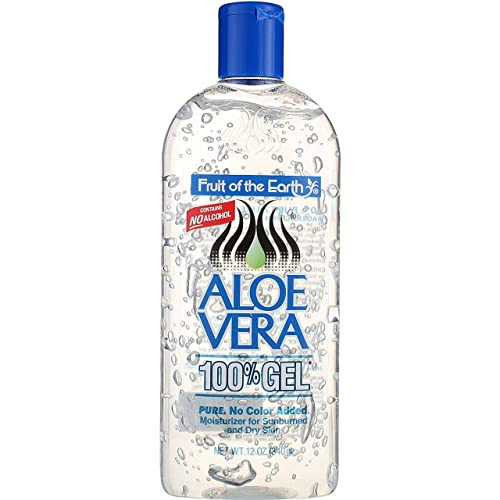
    Fruit of the Earth 100% Aloe Vera Gel, 12 oz

    Plain aloe gel without lidocaine, as the article specifies, for sunburn and minor burns on unbroken skin.

    $9.99 ($0.83 / ounce) on Amazon as of Nov 24, 7:06 a.m. CT

    Sold by Calabasas Supply Co, not Amazon

    Good to know: For skin only; never swallow aloe products.

    View on Amazon

Share this with someone who’d use it

Some links on this page may be affiliate links; see our affiliate disclosure. Nothing here is medical or legal advice; check your local regulations.

Corrections

None yet.

Shane Richard

Written by

Shane Richard

Shane is a disabled US Army veteran who served as an M1A1 tank crewman, then spent his career in technology and manufacturing supply chains, keeping parts moving through COVID. He, his wife Heather and their three kids have ridden out tornadoes, the February 2021 Texas freeze, the 2026 floods in Northeast Texas and power outages that lasted days. He started Prepping Expert to give families the plain, affordable, step-by-step version he wished he'd had.

Comments

No comments yet. Read the comment guidelines before posting.

Popular guides

Topics

Tags

The weekly checklist

One preparedness job by email every Sunday. Five minutes.

You might also like

More in Natural remedies →

The weekly checklist

One thing to do this week. Five minutes, every Sunday.

A single preparedness task by email, in the order we'd do them. No launches, no discounts, unsubscribe in one click.

Before you go

Take the one-page household checklist with you.

Forty lines. Check off what you have, circle what you don't, do one circled item a week. We'll email the PDF and the Sunday checklist; drop either any time.

Done

You're on the list.

First email lands Sunday. Check your spam folder once, then it'll behave.

We store your address and nothing else. Privacy