A hotel room door seen from inside, a small rubber door wedge alarm pushed under it, a deadbolt and swing bar latched, and a suitcase on the carpet beside it.
Travel safety tips that cover most real trouble: which hotel room to ask for, a $10–20 door wedge alarm, a five-minute rental check and a rideshare plate match.
Deadbolt, swing bar, and a $15 wedge alarm under the door. That is most of hotel security.
Most travel trouble is ordinary: a stolen wallet, a lost passport, a room door that doesn’t close properly, a car you got into without checking. A handful of habits deal with nearly all of it, and the only gear worth buying costs less than a meal. The travel safety tips below cover hotels, rental homes, rideshares and the documents and money you carry, in the order you meet them on a trip.
The usual advice, which fire and safety guidance broadly supports, is a room between the third and sixth floors:
Above the ground floor, so the windows and door aren’t reachable from the street or a parking lot.
Low enough that fire department ladders can usually reach, and that walking down the stairs is quick. Ladder reach varies by city and building; in a tall hotel, the stairwell is your plan.
Not next to the stairwell door or the ice machine, where people pass and loiter, but not at the far end of a long corridor either.
You can ask for this at check-in without explaining. If the desk clerk says your room number aloud, ask quietly for a different room; anyone nearby now knows where you are sleeping.
When you get to the room
Do this before you unpack, every time:
Check the door closes and locks. Let it close by itself; it should latch. Check the deadbolt and the swing bar or chain both work.
Count the doors to the nearest stairwell and walk to it once. In smoke, you won’t see the exit signs.
Check connecting doors are locked from your side.
Check the windows and any balcony door, especially on low floors.
Leave the room key card sleeve with the number on it at the desk or in your bag, not in your pocket with the card.
The door wedge alarm
A rubber door wedge with a built-in alarm, $10–20, is the single best travel security purchase. Push it under the inside of the door at night; if anyone opens the door, the wedge jams and a loud alarm goes off. It also works in rental homes, on a sliding door at a cottage, and at home on a bedroom door. Check the battery before each trip.
Portable door locks that hook into the strike plate are also sold, $15–30. They work on many doors, but some hotel and fire codes discourage anything that slows emergency entry, and they can make it harder for staff to reach you in a medical emergency. The wedge alarm does most of the job with less downside.
Count the doors between your room and the stairwell before you unpack. In smoke, the exit sign is the first thing you lose.
Rental homes: the five-minute check
A vacation rental has none of the staff, keycards or fire procedures of a hotel, and you don’t know who else has a key. When you arrive, spend five minutes on these.
Cameras
Airbnb banned indoor security cameras in its listings worldwide in 2024, and other platforms set their own rules about disclosing outdoor cameras. Rules are not the same as compliance. A quick, sensible check:
Look at the obvious places: smoke detectors, clocks, chargers, TV boxes, shelves facing the bed or bathroom, and anything plugged in that you can’t identify.
Turn the lights off and look for small LEDs, then shine your phone’s flashlight around and look for the glint of a lens.
Check the Wi-Fi network list on your phone; a device name that looks like a camera is worth asking about.
If you find an undisclosed camera inside the home, don’t touch it beyond covering it. Photograph it, leave if you are uncomfortable, and report it to the platform and, if it is in a bedroom or bathroom, to the local police. Don’t start taking the host’s equipment apart.
Locks, smoke alarms and exits
Locks. Check every exterior door and window locks, including sliding doors (put a wooden dowel or broom handle in the track if there is no bar). Ask the host whether the locks or codes were changed since the last guest; for a keypad lock, the honest answer is often that the code changes per stay.
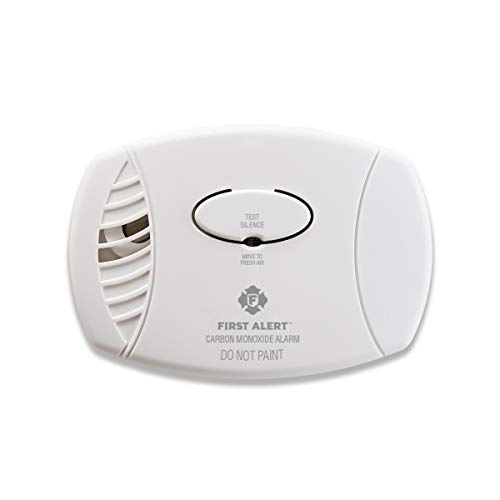
Smoke and carbon monoxide alarms. Press the test button on each one. If there is a gas appliance, fireplace or attached garage and no CO alarm, a $20–30 plug-in or battery CO alarm in your bag is worth carrying.
Exits. Find two ways out of the sleeping area and show the children.
The address. Write the full street address on paper and save it in your phone. It is what you will need to give a 911 dispatcher, and it is the thing nobody remembers.
Rideshares and taxis: verify before you open the door
The checks take ten seconds:
Match the plate. The app shows the license plate. Read it on the car, not just the make and color.
Match the car and the driver. Make, model, color and the driver’s photo.
Ask “who are you here for?” Let the driver say your name; don’t say “Are you here for Sarah?”
Share the trip. Most rideshare apps let you share your live trip with a contact; some offer a PIN to confirm the right car. Use them.
Sit in the back, on the passenger side, where you can get out onto the sidewalk and the driver can’t easily reach you.
During the ride, follow along on your own map. If the route goes somewhere unexpected, ask; if you are uncomfortable, ask to be let out somewhere busy and lit, and use the in-app safety feature. At airports and stations, use the official rideshare pickup zone or taxi stand and ignore anyone offering a ride in the arrivals area.
"Read the plate, check the face, make them say your name. Ten seconds, every time."
The rideshare check
Money, cards and documents: split them
The point is that one stolen bag or lost wallet shouldn’t end the trip.
Item
On you
Second place (bag or room safe)
Digital copy
Payment cards
One credit card
A second card from a different account
Card issuer phone numbers saved
Cash
A day’s worth
The rest, plus a $50–100 emergency reserve
—
ID / passport
Driver’s license; passport only where needed
Passport in the safe, or locked in luggage
Photo or scan in an encrypted folder
Insurance and medical
Insurance card
Paper copy of prescriptions
Scans and the insurer’s claim number
Phone
Phone
A small power bank
Contacts written on paper
Before you go, scan or photograph your ID, passport, cards (front and back, or just the issuer phone numbers), insurance cards and prescriptions into an encrypted folder you can reach from any phone. It is the travel version of the household routine in backing up your documents for an evacuation. Make sure your accounts are locked down before a trip, too; the five-minute account lockdown covers it, and a phone stolen abroad is a common way to lose an email account.
What to tell someone at home
Leave one person at home with:
Where you are staying each night, with addresses and confirmation numbers.
Your flight or route, and when you expect to be back.
A time to check in, and what they should do if you don’t: call you, then call the hotel, then call the local police or, abroad, the State Department’s overseas citizens line.
If you travel abroad, the State Department’s Smart Traveler Enrollment Program (STEP) registers your trip with the nearest embassy, which can reach you in an emergency. It is free.
What to carry: a travel safety kit
The whole travel security kit fits in a sandwich bag:
A door wedge alarm, $10–20.
A small flashlight or headlamp, because hotel power outages and fire alarms happen at night. The headlamp guide explains what to look for.
A plug-in or battery CO alarm if you rent homes with fireplaces or gas.
A power bank and cable.
A paper card with your lodging addresses, emergency contacts and card issuer numbers.
If you carry pepper spray at home, check the destination’s law and the airline’s rules first; it can’t go in the cabin, and some states and countries prohibit it. Self-defense and weapons laws by state explains where to check.
Quick answers
What is the safest floor to stay on in a hotel?
The usual advice is a hotel room between the third and sixth floors. That is high enough that the windows and door can’t be reached from the street or a parking lot, and low enough that fire department ladders can usually reach and the stairs are quick. Ask for a room away from the stairwell door and ice machine, and count the doors to the exit.
Do door wedge alarms work in hotel rooms?
Yes. A rubber door wedge alarm, about $10–20, is the single best travel security purchase. Pushed under the inside of a hotel door at night, it jams if anyone opens the door and sets off a loud alarm. It also works in rental homes and on sliding doors. Check the battery before each trip.
How do I check a vacation rental for hidden cameras?
Look first at smoke detectors, clocks, chargers, TV boxes and shelves facing the bed or bathroom. Then turn the lights off to spot small LEDs, and sweep your phone’s flashlight around to catch the glint of a lens. If you find an undisclosed indoor camera, cover it, photograph it, report it to the platform, and leave if you are uncomfortable.
How do I know I’m getting into the right rideshare?
Match the license plate in the app against the car itself, then check the make, model, color and driver’s photo, and ask “who are you here for?” so the driver says your name, not you. The whole check takes about ten seconds. Share your live trip with a contact, sit in the back on the passenger side, and follow the route on your own map.
Picks that match the specs in this guide, from makers with a track record. We haven't tested them yet. As an Amazon Associate we earn from qualifying purchases, at no cost to you. Add what you need to my list, then send the whole list to your Amazon cart all at once. Prices and availability are accurate as of the date and time shown and are subject to change. The price and availability shown on Amazon.com at the time of purchase will apply.
Black Diamond
Black Diamond Astro 300 Headlamp (AAA)
Runs on AAA, dimmable. Maker specs this model with red night-vision mode, lock mode, tilting head and IPX4.
No price from Amazon right now (checked Nov 24, 7:06 a.m. CT)
Shane is a disabled US Army veteran who served as an M1A1 tank crewman, then spent his career in technology and manufacturing supply chains, keeping parts moving through COVID. He, his wife Heather and their three kids have ridden out tornadoes, the February 2021 Texas freeze, the 2026 floods in Northeast Texas and power outages that lasted days. He started Prepping Expert to give families the plain, affordable, step-by-step version he wished he'd had.
How to deter burglars without a weapon: motion lights at the doors, a dog that barks and a street that notices, with rough costs and the order to do it.
Buying your first firearm in the right order: training, storage and your state’s law before the purchase, with the costs and the risks at home stated plainly.
We use Google Analytics cookies to count visits and see which guides help. No ads, nothing sold. Cookie policy







 4
Comments
No comments yet. Read the comment guidelines before posting.