A pair of black leather work shoes beside a pair of worn gray running shoes on a car’s trunk floor, with a rolled pair of wool socks and a small roll of tape next to them, in soft daylight.
Walking home in the shoes you're wearing: footwear for the get-home bag
Long walks home end because of feet. Which work shoes fail by mile three, the get-home bag shoes and socks to keep, and the 2 oz blister kit that saves the walk.
The difference between a seven-hour walk and a two-mile limp is usually the pair on the right.
The thing most likely to stop you from walking home is the pair of shoes you put on this morning. Office shoes, heels and thin-soled loafers are made for carpets and short distances; on pavement they usually start to rub within two or three miles, and by mile five the walk is about pain management. The fix is cheap and mostly boring: broken-in sneakers as your get-home bag shoes, kept where you’ll need them, good socks, and a tiny kit to stop a hot spot from turning into a blister.
Shoes built for an office tend to fail in the same few ways, and knowing which one yours have tells you what to carry.
Shoe
What goes wrong
Roughly when
The fix
Heels, pumps
Weight on the ball of the foot; ankle strain; toes squeezed
First mile
Flats or sneakers at the desk, no exceptions
Leather dress shoes
Stiff heel cup rubs; thin, hard sole; no cushioning
Miles 2–4
Sneakers in the car; tape the heels early if you must walk in them
Loafers, slip-ons
Heel lifts every step, which is exactly how blisters form
Miles 2–3
Tape the heels; lace-up sneakers
Ballet flats
No support; thin sole; slides off when wet
Miles 3–5
Sneakers; spare socks
Safety or work boots
Heavy but usually broken in; hot
Often fine for 20 miles
Spare socks, lubricant
Sneakers you already walk in
Rarely anything
—
This is the goal
The mechanism is friction plus moisture. A shoe that lets the heel lift, or that presses one spot with every step, rubs the same patch of skin a few thousand times an hour. Add sweat or rain and the skin softens and tears sooner.
Get-home bag shoes: sneakers in the car, flats at the desk
You will not change what you wear to work for an emergency that may never come, and you shouldn’t have to. Put the right shoes where the walk starts instead.
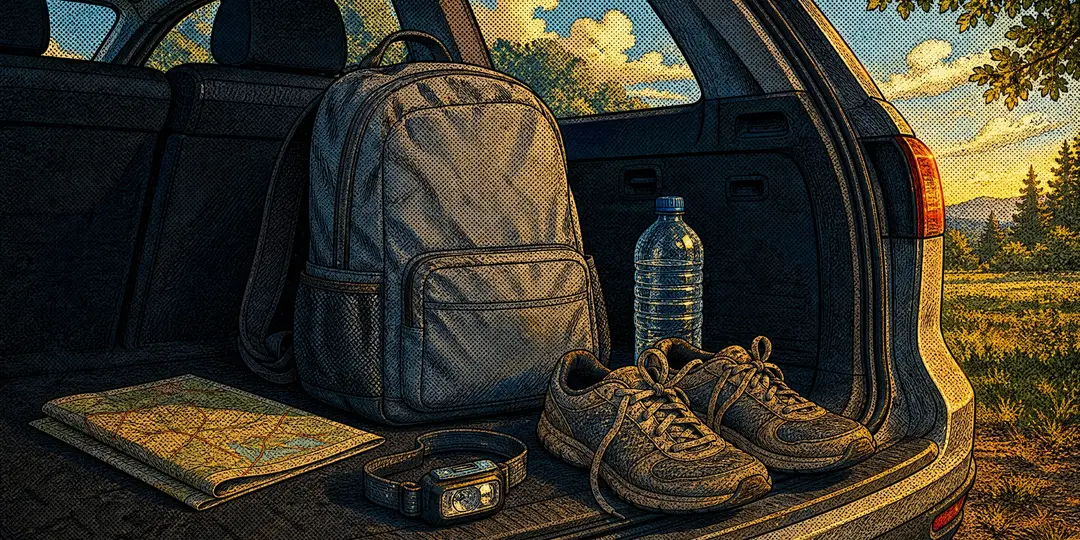
In the car: a pair of running or walking shoes you have already worn for at least a few weeks. New shoes are a gamble; the old pair you retired from the gym last year is ideal, as long as the soles aren’t worn smooth. Put a pair of socks inside them and keep them with the get-home bag. A shoe-sized space in the trunk is all it takes.
At the desk: if you take transit, the car doesn’t help. Keep a pair of flat, lace-up shoes in a drawer or locker. They don’t need to be sneakers; they need a cushioned sole, a heel that doesn’t slip and laces. Many people already keep a pair for the commute; make sure it’s still there.
If you must walk in what you’re wearing: tape your heels and the balls of your feet before you start, not when they hurt. Change into dry socks at the halfway point. Loosen the laces if your feet swell, which they will after a few hours.
"The best walking shoe is the one already in the car, already broken in, with socks stuffed inside it."
The footwear rule, in one line
The blister kit, and how to use it before it hurts
Blisters are almost entirely preventable if you act on the first warning, the warm, rubbing spot called a hot spot. The kit fits in a sandwich bag and weighs about 2 oz (55 g).
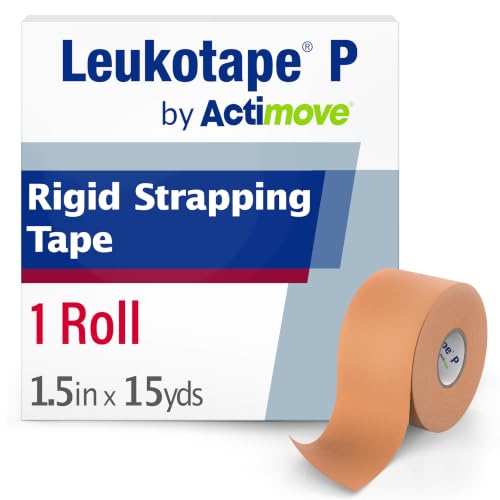
Tape: a roll of zinc-oxide or a similar strong adhesive tape, or a few pre-cut strips stuck to wax paper. About $5–10.
Blister dressings: a few hydrocolloid blister bandages for when a blister has already formed. About $6–10 for a pack.
Lubricant: a small tube of anti-chafe balm or petroleum jelly for heels, toes and between the thighs. About $5–8.
Spare socks: one pair of synthetic or wool socks, in a zip bag so they stay dry. About $10–20.
A small pair of scissors or the multitool, for cutting tape.
How to use it:
At the start, put lubricant on the parts you know rub, and tape anywhere that has blistered before.
At the first hot spot, stop. Not at the next corner; now. Take off the shoe, dry the skin, and put tape smoothly over the spot with no wrinkles. Five minutes.
If a blister has already formed, cover it with a hydrocolloid dressing and leave it intact if you can; the skin on top is the best protection it has. Dermatologists’ general advice is not to pop blisters. If a large one is so painful you can’t walk, standard first aid guidance is to drain it at the edge with a sterilized needle and keep the roof of skin on, then cover it. If you have diabetes or poor circulation, don’t do this at all; protect it and get it looked at.
Change socks at the halfway point, or sooner if they are wet.
Wilderness and home first aid covers blister care and infection signs in more detail, and why a blister that turns red, hot and spreading needs a doctor.
The whole blister kit: tape, dressings, balm, one pair of socks. It costs less than a takeout lunch and saves the walk.
Winter and rain: socks matter more than boots
When it is wet or cold, the instinct is to buy waterproof boots. They help, but they matter less than what is inside them, for two reasons. First, waterproof shoes keep sweat in as well as rain out, so on a long walk your feet get damp anyway. Second, once water comes over the top, a waterproof shoe holds it in.
What actually keeps feet working:
Wool or synthetic socks, never cotton. Cotton holds water against the skin and loses its warmth when wet. Wool stays warm when damp.
A dry spare pair in a sealed bag, changed into when the first pair is wet. Hours in wet socks soften the skin and make blisters far more likely; days of it can cause real cold-weather injury.
A thin liner sock under a thicker sock reduces friction for some people. Try it on a normal walk first.
Gaiters or simply tucking pants into socks keeps snow out of low shoes.
Traction: on ice, slip-on traction cleats ($15–30) that stretch over any shoe are worth more than new boots. Keep a pair in the winter car bag.
In winter, add a second spare pair of socks and a pair of adhesive toe warmers (made for shoes; hand warmers can get too hot there) for a rest stop. The winter car kit covers the rest of a cold-weather car.
The two-mile test
The cheapest piece of preparation on this page is a walk. One evening or weekend, put on the shoes you actually wear to work and walk two miles (3 km) on pavement. Note when anything starts to rub and where. Then do the same walk in the sneakers from the car.
You’ll find out three things: which shoes you can’t walk in at all, where your feet rub so you can tape there first, and whether the backup pair still fits. It takes about forty minutes. If two miles is fine, try four, and you’ll know how the first fifth of the walk home will feel.
Re-test once a year, or whenever you change work shoes. Then check the car pair while you’re rotating the get-home bag: soles not split, socks still inside, laces intact.
What not to buy
You don’t need expensive hiking boots for a pavement walk, and a new pair of boots bought for the kit and never worn is worse than old sneakers. You don’t need specialty “survival” socks; ordinary merino or synthetic hiking socks are fine at $10–20 a pair. And you don’t need a big first aid kit for your feet: tape, a few dressings and dry socks solve most of what goes wrong between work and home.
Quick answers
Can you walk 20 miles home in work shoes?
Usually not comfortably. Heels tend to hurt within the first mile, and leather dress shoes and loafers within two to four miles, because of stiff heel cups, thin soles and heels that lift with every step. Broken-in safety or work boots are often fine for 20 miles. The fix is broken-in sneakers kept in the car, or flat lace-ups at the desk.
What should you do when you feel a hot spot?
Stop the moment you feel a hot spot, not at the next corner. Take off the shoe, dry the skin and put strong adhesive tape smoothly over the spot with no wrinkles. It takes about five minutes, while a blister can cost you hours. Lubricant on heels and toes before a long walk prevents many hot spots in the first place.
Should you pop a blister during a long walk?
Generally no. Dermatologists’ general advice is to leave a blister intact and cover it with a hydrocolloid dressing, because the skin on top protects it. If a large blister makes walking impossible, standard first aid guidance is to drain it at the edge with a sterilized needle and keep the roof of skin on. Anyone with diabetes or poor circulation should not drain it and should get it looked at.
Are waterproof boots best for walking home in the rain?
Not necessarily. Waterproof boots keep sweat in as well as rain out, and once water comes over the top they hold it in. Wool or synthetic socks, never cotton, and a dry spare pair in a sealed bag matter more for keeping feet working. On ice, slip-on traction cleats at $15–30 are worth more than new boots.
Picks that match the specs in this guide, from makers with a track record. We haven't tested them yet. As an Amazon Associate we earn from qualifying purchases, at no cost to you. Add what you need to my list, then send the whole list to your Amazon cart all at once. Prices and availability are accurate as of the date and time shown and are subject to change. The price and availability shown on Amazon.com at the time of purchase will apply.
Band-Aid
Band-Aid Pro Heal Hydrocolloid Blister Bandages, 6 ct
Hydrocolloid blister cushions that stay on for days in shoes, for the walk-home kit.
$5.49 ($0.92 / count) on Amazon as of Nov 24, 7:06 a.m. CT
Shane is a disabled US Army veteran who served as an M1A1 tank crewman, then spent his career in technology and manufacturing supply chains, keeping parts moving through COVID. He, his wife Heather and their three kids have ridden out tornadoes, the February 2021 Texas freeze, the 2026 floods in Northeast Texas and power outages that lasted days. He started Prepping Expert to give families the plain, affordable, step-by-step version he wished he'd had.
A get-home bag list for a 20-mile commute: about seven hours on foot in the shoes you’re wearing. Every item and its weight, for the car or under the desk.
A home emergency tool kit is mostly about shutoffs: find the water, gas and electric shutoffs now, hang the right wrench beside each, and add a short list of tools.
We use Google Analytics cookies to count visits and see which guides help. No ads, nothing sold. Cookie policy








 4
Comments
No comments yet. Read the comment guidelines before posting.